
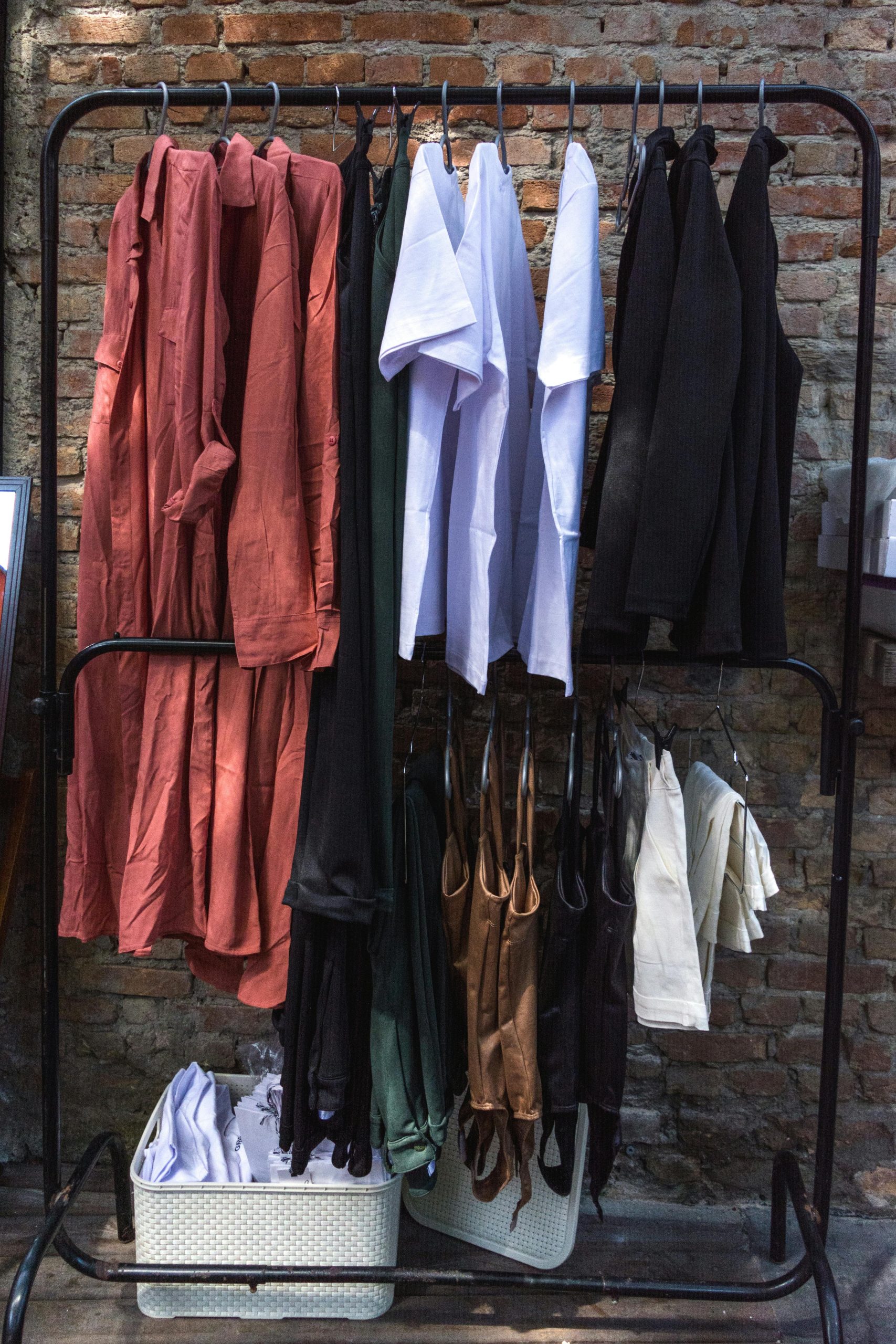
In a world where brand identity is paramount, companies are constantly seeking ways to reinforce their image across every touchpoint. One often-overlooked strategy is standardized dress. Whether it’s a retail associate, a delivery driver, or a technician in the field, the way employees present themselves visually can have a profound impact on how a brand is perceived. Uniforms aren’t just about appearance—they’re a strategic tool for building recognition, trust, and consistency.
Standardized dress creates a unified look that reflects a company’s values and professionalism. It helps customers instantly identify staff, reinforces brand colors and logos, and contributes to a cohesive experience. Here are four key ways standardized dress enhances brand recognition and why it should be a priority for organizations aiming to stand out.
Creates a Consistent Visual Identity
Consistency is the cornerstone of strong branding. When employees wear standardized attire, they become walking representations of the brand. Whether interacting with customers in person or appearing in marketing materials, a uniform look reinforces the company’s visual identity.
This consistency is especially important for businesses with multiple locations or teams in the field. A standardized dress code ensures that no matter where a customer encounters the brand, the experience feels familiar and professional. Over time, this visual repetition builds recognition and trust, making the brand more memorable and credible.
Enhances Customer Trust and Professionalism
First impressions matter, and standardized dress plays a significant role in shaping them. Uniforms signal professionalism, reliability, and attention to detail. When customers see employees dressed in clean, branded attire, they’re more likely to feel confident in the service or product being offered.
This is particularly true in industries where safety, hygiene, or technical expertise are critical—such as healthcare, hospitality, or logistics. A well-designed uniform communicates that the company takes its responsibilities seriously and values its relationship with the customer. That sense of trust can translate into repeat business and positive word-of-mouth.
Strengthens Internal Culture and Team Cohesion
While standardized dress primarily impacts external perception, it also has internal benefits. Uniforms foster a sense of belonging and unity among employees. When everyone wears the same attire, it reinforces the idea that they’re part of something larger—a team working toward shared goals.
This sense of cohesion can improve morale, reduce distractions related to dress choices, and even enhance productivity. A managed uniform program makes it easier to implement and maintain this consistency across departments and locations, ensuring that employees have access to the right garments and that branding standards are upheld.
Amplifies Marketing and Brand Visibility
Standardized dress extends the reach of a company’s branding beyond traditional advertising. Employees wearing branded uniforms become mobile billboards, promoting the company wherever they go. Whether commuting, grabbing lunch, or attending events, they’re increasing brand exposure in organic, cost-effective ways.
This visibility is especially valuable in crowded markets where differentiation is key. A distinctive uniform—featuring brand colors, logos, and design elements—can make a company stand out and spark curiosity. It also reinforces brand recall, making it easier for customers to recognize and remember the business when they need its services.
Conclusion
Standardized dress is more than a matter of appearance—it’s a strategic asset that enhances brand recognition, builds trust, and strengthens internal culture. By creating a consistent visual identity, projecting professionalism, and amplifying visibility, companies can turn uniforms into powerful branding tools. With thoughtful implementation and support from a managed uniform program, organizations can ensure that every employee becomes a confident, recognizable ambassador of the brand.
