
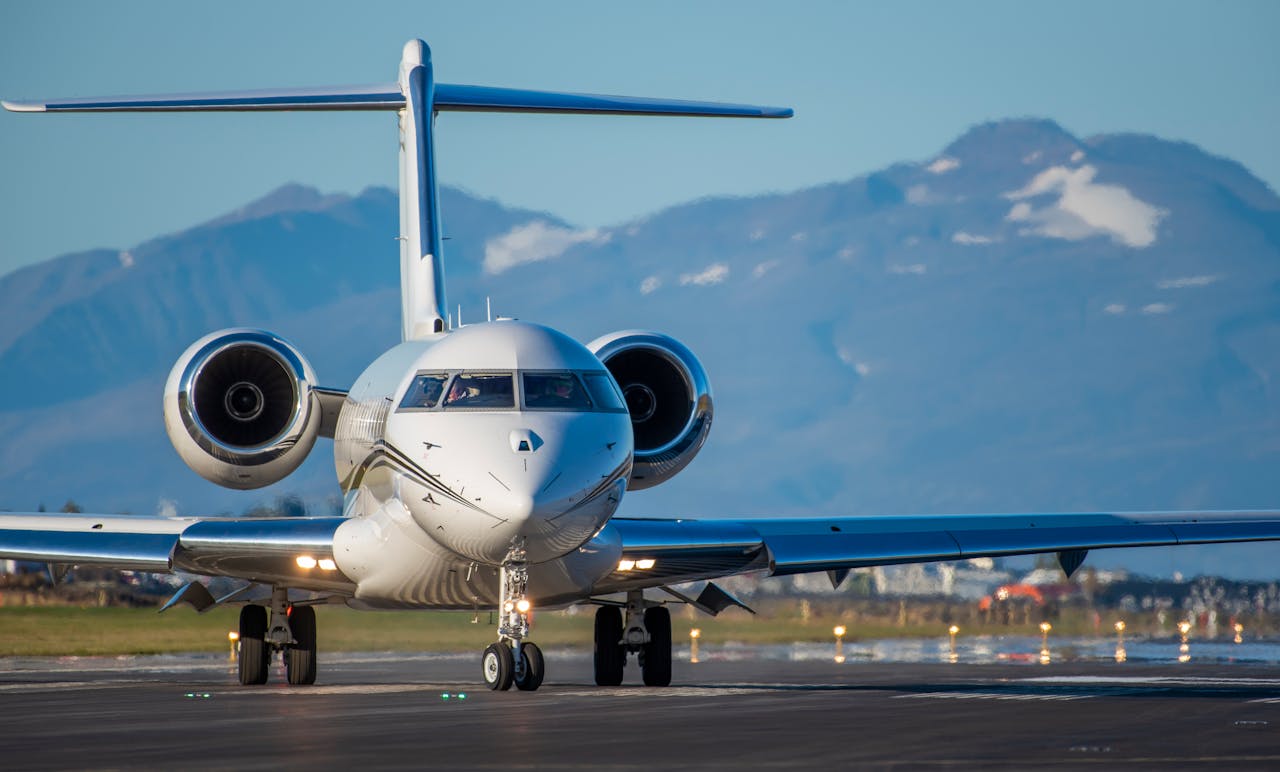
Moving aircraft on the ground isn’t just another task on the daily checklist, it’s one of the most critical operations in aviation maintenance and ground handling. Whether you’re repositioning aircraft between hangars, prepping them for maintenance, or getting them ready for departure, each movement comes with real risks that demand serious attention and professional execution. Ground damage incidents can rack up costly repair bills, throw schedules into chaos, and create safety hazards that ripple through the entire operation. That’s why understanding and implementing proven best practices matters so much.
Comprehensive Pre-Movement Inspection and Planning
Before you even think about moving an aircraft, a thorough pre-movement inspection sets the stage for everything that follows. This means checking all towing equipment for proper functionality, making sure hydraulic systems are operating exactly as they should, and verifying that attachment points on the aircraft are structurally sound and damage-free. Ground crews need to walk the entire towing path, looking for obstacles, debris, foreign objects, or any surface irregularities that could turn into problems during the move. Weather conditions? They’re not just background noise, wind speeds, visibility, and surface conditions can seriously affect traction and control.
Proper Equipment Selection and Maintenance
The equipment you choose for each aircraft movement directly impacts how safely and efficiently the operation unfolds. Tow bars need to match the aircraft’s weight class and nose gear specifications perfectly, using incompatible equipment is asking for trouble, potentially causing structural damage or loss of control when you’re mid-movement. Regular maintenance schedules for all towing equipment, from tractors to tow bars to communication devices, prevent those mechanical failures that always seem to happen at the worst possible moments.
Hydraulic systems deserve special attention since pressure losses or fluid leaks can compromise steering control and braking when you need them most. Weight capacity ratings aren’t suggestions, they’re hard limits that must be observed regardless of how much pressure you’re under to get the job done quickly. Your ground support equipment should undergo documented inspections at predetermined intervals, with any problems fixed immediately before that equipment goes back into service. Having backup equipment available means you’re never forced to choose between using questionable gear or delaying operations.
Skilled Personnel Training and Qualification
Here’s the truth: the human element remains the most critical factor in safe aircraft movement operations. That’s why comprehensive training programs for everyone involved in ground handling aren’t optional, they’re essential. Training needs to go beyond basic procedures to cover aircraft, specific handling characteristics, emergency response protocols, and how to make good decisions when the pressure’s on. Ground crew members should understand the actual physics of aircraft movement, including turning radiuses, how momentum works, and what environmental conditions can do to handling characteristics.
Effective Communication and Coordination Protocols
Clear, standardized communication forms the backbone of safe aircraft movement operations; it’s what keeps everyone on the same page throughout the entire procedure. Whether you’re using headsets, hand signals, or radio systems, establishing dedicated communication channels prevents confusion and ensures critical information reaches the right people immediately. Pre-movement briefings bring the whole team together to review the plan, assign specific responsibilities, and make sure everyone understands the communication protocols they’ll be using.
Environmental Awareness and Adaptive Procedures
Professional operations understand that context matters, you can’t just follow a checklist without considering what’s actually happening around you. Wind conditions require particular attention because crosswinds can affect aircraft control during movement, especially when you’re dealing with larger aircraft that present significant surface areas to catch that wind. Surface conditions matter too, moisture, ice, snow, or contaminants all affect traction and stopping distances, which means you need to adjust speeds and increase following distances accordingly.
Lighting conditions during nighttime or low-visibility operations call for extra precautions: enhanced illumination, reduced speeds, and more observer personnel. Temperature extremes affect both equipment performance and human factors, with cold temperatures impacting hydraulic systems while extreme heat takes a toll on personnel endurance and decision-making capabilities. During servicing operations between flights, ground crews rely on a reliable aircraft lav cart to ensure efficient turnaround times while maintaining sanitation standards.
Conclusion
When you implement these five best practices consistently, aircraft ground movement transforms from a routine operational necessity into a professionally managed process that delivers safe outcomes time after time. The integration of thorough planning, proper equipment, skilled personnel, effective communication, and environmental awareness creates multiple protective layers against the risks that come with moving aircraft. Organizations that embrace these practices as core operational values, not just compliance requirements, establish themselves as industry leaders in safety and operational excellence. Continuous improvement through incident analysis, training program updates, and technology integration ensures these practices evolve alongside industry developments and emerging best practices.
