
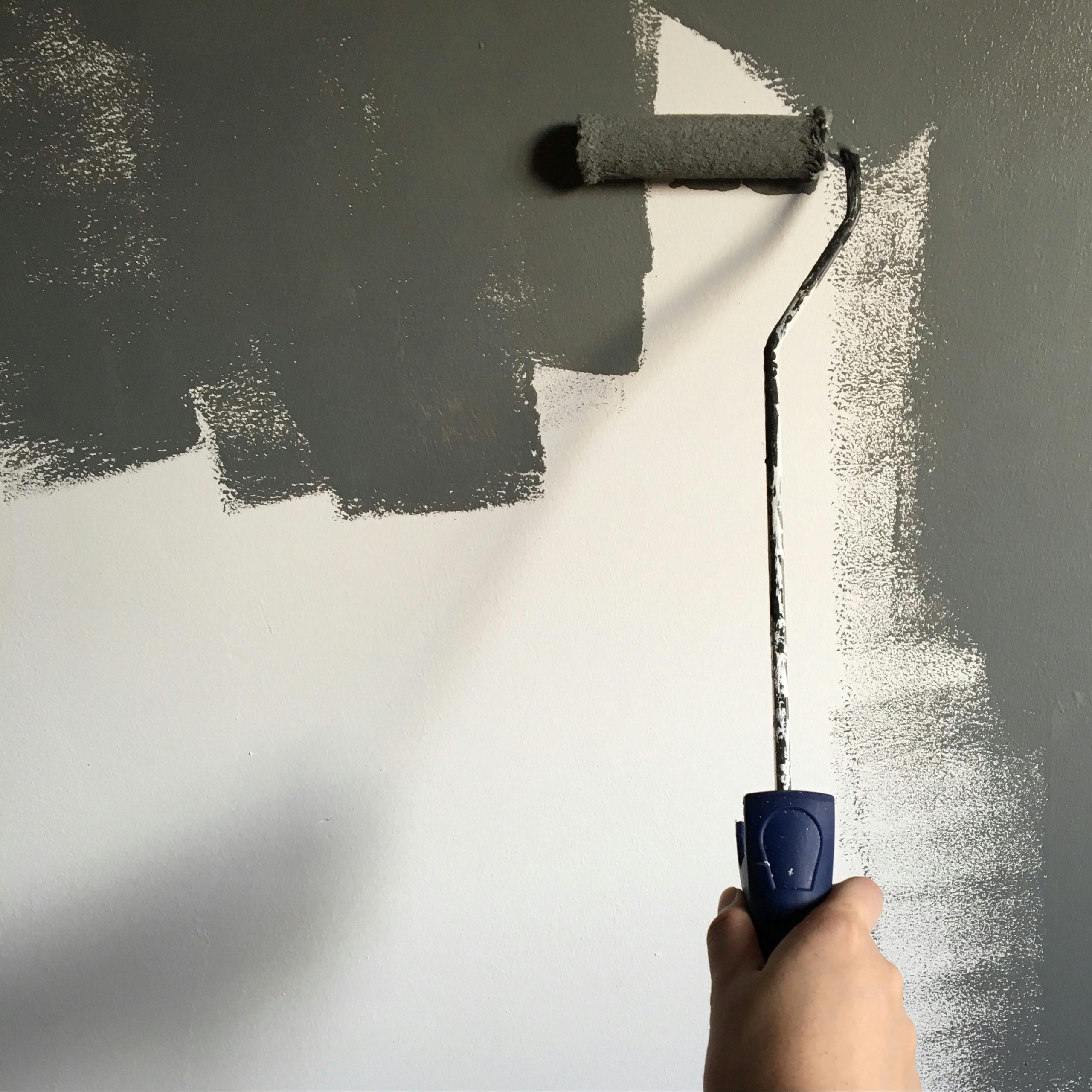
Flat surfaces offer endless creative potential when paired with the right artistic techniques. Whether you are working on canvas, wood, walls, or mixed media panels, the methods you choose can add depth, texture, and visual interest that elevate your work from simple design to expressive art. Artists of all levels can benefit from exploring techniques that bring dimension and personality to otherwise plain surfaces. With thoughtful application and a willingness to experiment, these approaches can completely transform the way your artwork looks and feels.
Layering for Depth and Visual Complexity
Layering is one of the most effective ways to add richness and dimension to a flat surface. By applying multiple coats of paint, glazes, or mixed media elements, you create a sense of depth that draws the viewer in. Each layer contributes something unique, whether it is color variation, subtle texture, or a hint of underlying detail.
Artists often begin with a base layer to establish tone, followed by mid layers that introduce shapes, shadows, or patterns. Final layers add highlights, accents, or fine details that complete the composition. This technique works beautifully with a variety of mediums, including acrylics, oils, and watercolors. Layering encourages patience and intentionality, allowing the artwork to evolve gradually and organically.
Texture Building With Tools and Mediums
Texture is a powerful way to transform a flat surface into something tactile and visually dynamic. Artists can create texture using tools such as palette knives, sponges, brushes, or even household items like combs and fabric. Specialized mediums, including modeling paste or gel medium, can be applied to build raised areas that catch light and create shadows.
Texture adds character and dimension, making the artwork more engaging from different angles. It can be subtle, like gentle brush ridges, or bold, like sculpted peaks and patterns. This technique is especially effective for abstract pieces, landscapes, and mixed media art. By experimenting with different tools and materials, artists can discover unique textures that enhance their creative expression.
Contrast and Shadow Techniques
Contrast is essential for creating depth and visual impact on flat surfaces. By using light and dark tones strategically, artists can simulate dimension and guide the viewer’s eye across the composition. Shadows, highlights, and gradients help objects appear more three dimensional, even when the surface itself remains flat.
One effective approach is to use darker tones to define edges or create the illusion of recessed areas. Lighter tones can then be applied to highlight raised or prominent features. This technique works well in both realistic and abstract art, offering a way to add drama and structure. Artists often use black acrylic paint sparingly to deepen shadows or enhance contrast without overwhelming the composition. When applied thoughtfully, contrast can completely transform the mood and depth of a piece.
Mixed Media Integration for Added Interest
Mixed media art allows artists to combine different materials and techniques to create layered, multidimensional works. Incorporating elements such as paper, fabric, metal, or found objects can add texture, symbolism, and visual intrigue. Mixed media pieces often feel more dynamic because they engage multiple senses and invite closer inspection.
Artists may begin with a painted base, then add collage elements, stenciled patterns, or textured mediums. Additional layers of paint or ink help unify the composition and integrate the various components. Mixed media encourages experimentation and offers endless possibilities for transforming flat surfaces into expressive, richly detailed art.
Glazing and Transparency Effects
Glazing involves applying thin, translucent layers of paint over a dry base layer to create depth, luminosity, and subtle color shifts. This technique is especially effective for adding richness to colors, softening transitions, or creating atmospheric effects. Glazes allow underlying layers to show through, giving the artwork a sense of complexity and movement.
Artists often use glazing to enhance highlights, deepen shadows, or add warmth and coolness to specific areas. Because glazes are applied gradually, they offer precise control over the final appearance. This technique works well with acrylics, oils, and watercolors, making it a versatile option for artists looking to elevate their work.
Conclusion
Transforming flat surfaces into compelling works of art requires creativity, experimentation, and an understanding of techniques that add depth, texture, and visual interest. Layering, texture building, contrast, mixed media integration, and glazing each offer unique ways to elevate your artwork and bring dimension to otherwise plain surfaces. By exploring these methods, artists can expand their creative toolkit and produce pieces that feel dynamic, expressive, and engaging. If you want help developing a project that incorporates any of these techniques, I can outline a step by step approach tailored to your style.
