
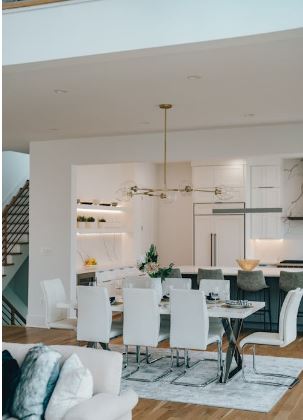
Multifamily housing projects are complex undertakings that require careful planning, thoughtful design, and strategic execution. These developments serve diverse communities, offering living spaces that balance functionality, affordability, and aesthetic appeal. Success in multifamily housing is not achieved by chance; it is the result of integrating key elements that ensure long-term value for both residents and property owners. By focusing on these critical components, developers can create projects that thrive in competitive markets and stand the test of time.
Strategic Location Selection
Location is one of the most influential factors in the success of any multifamily housing project. Proximity to employment centers, schools, public transportation, and amenities such as shopping and healthcare significantly enhances the appeal of a property. A well-chosen location not only attracts tenants but also supports long-term occupancy rates. Developers must conduct thorough market research to identify areas with strong demand and growth potential. Strategic location selection ensures that the project aligns with the needs of its target demographic, ultimately driving profitability and sustainability.
Thoughtful Architectural Design
Design plays a pivotal role in shaping the resident experience. Multifamily housing must balance efficiency with comfort, offering layouts that maximize space while maintaining aesthetic appeal. Incorporating natural light, functional floor plans, and durable materials contributes to both livability and longevity. Developers who invest in reputable multi family home designs benefit from solutions that prioritize resident satisfaction while meeting regulatory standards. Thoughtful design also enhances curb appeal, which is critical for attracting tenants and maintaining property value over time.
Sustainable and Energy-Efficient Features
Sustainability is no longer optional; it is a necessity in modern housing projects. Energy-efficient appliances, eco-friendly building materials, and smart technologies reduce utility costs and appeal to environmentally conscious tenants. Features such as solar panels, efficient HVAC systems, and water-saving fixtures contribute to long-term savings for both residents and property owners. Beyond financial benefits, sustainable practices demonstrate a commitment to environmental responsibility, which can strengthen a developer’s reputation and marketability.
Strong Community Amenities
Successful multifamily housing projects go beyond providing living spaces; they foster a sense of community. Amenities such as fitness centers, shared lounges, outdoor spaces, and recreational facilities enhance the resident experience and encourage long-term occupancy. These features create opportunities for social interaction, improving overall satisfaction and retention rates. Developers should tailor amenities to the preferences of their target demographic, ensuring that investments in shared spaces deliver maximum value. A strong community atmosphere transforms a property from a simple residence into a desirable lifestyle choice.
Effective Property Management
Even the most well-designed housing project can falter without effective property management. Professional management ensures that maintenance, tenant relations, and financial operations run smoothly. Responsive service, clear communication, and proactive upkeep contribute to resident satisfaction and reduce turnover. Property managers also play a critical role in enforcing policies and maintaining safety, which are essential for long-term success. Developers should prioritize partnerships with experienced management teams to protect their investment and ensure consistent performance.
Financial Planning and Risk Management
Multifamily housing projects require significant financial investment, making careful planning and risk management essential. Developers must account for construction costs, financing options, market fluctuations, and long-term operating expenses. A well-structured financial plan includes contingency strategies to address unexpected challenges such as economic downturns or rising material costs. By managing risks effectively, developers can safeguard profitability and ensure that projects remain viable over time. Sound financial planning is the backbone of sustainable development.
Compliance with Regulations and Standards
Regulatory compliance is a fundamental element of successful multifamily housing projects. Building codes, zoning laws, and safety standards must be adhered to throughout the planning and construction process. Failure to comply can result in costly delays, fines, or reputational damage. Developers should work closely with legal and regulatory experts to ensure that every aspect of the project meets required standards. Compliance not only protects the project legally but also reassures residents that their safety and well-being are prioritized.
read more : How You Can Have The Retirement You Always Wanted
Conclusion
The success of multifamily housing projects depends on integrating key elements such as strategic location, thoughtful design, sustainability, community amenities, effective management, financial planning, and regulatory compliance. Each component contributes to creating developments that are attractive, functional, and resilient in competitive markets. By prioritizing these factors, developers can deliver housing solutions that meet the needs of residents while ensuring long-term profitability and growth. Multifamily housing projects built on these principles stand out as valuable investments that enrich communities and provide lasting benefits.
