
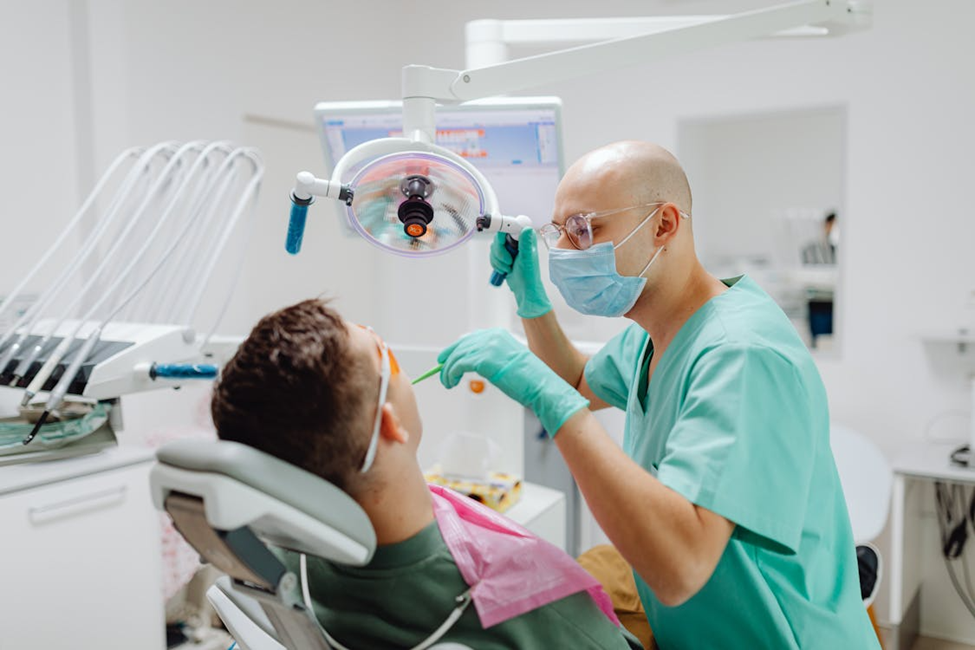
Healthy teeth and gums rely on steady habits and informed decisions. Brushing correctly, flossing every day, eating a balanced diet, and seeking professional care when needed create a reliable foundation for long-term oral health. Small daily efforts prevent plaque buildup, protect enamel, and reduce the risk of gum disease. Preventive care also lowers the chances of needing complex treatment later.
Oral health concerns remain common across Los Angeles County, which includes Marina del Rey. According to the Los Angeles County Department of Public Health, nearly 1 in 4 adults report [A.1] not visiting a dentist within the past year, increasing their risk for untreated decay and gum disease. Consistent care and timely dental visits make a measurable difference. Strong daily routines combined with professional oversight help residents protect their smiles and avoid preventable complications.
Proper Brushing Technique
Brushing twice each day with fluoride toothpaste forms the core of effective dental care. Fluoride strengthens enamel and helps defend against acid produced by bacteria. A soft-bristled toothbrush provides thorough cleaning while protecting gum tissue. Firm bristles may seem more effective, yet they often contribute to enamel wear and gum irritation over time.
Gentle circular motions remove plaque along the gumline and across tooth surfaces without causing damage. Attention to the back molars is essential since they handle most of the chewing and tend to trap food particles.
Choosing Professional Services Wisely
Professional dental care should always begin with a clear understanding of your current oral health. A comprehensive exam allows a dentist to assess enamel strength, gum condition, existing restorations, and overall stability before recommending any cosmetic or preventive treatment. This step protects your comfort and supports better long-term results.
If you’re looking to get professional teeth whitening in Marina del Rey, choose professionals who evaluate your enamel and gum health first, because a proper assessment reduces sensitivity risks and ensures more even, longer-lasting results. Whitening treatments work best when teeth are free of decay, and gums are free of inflammation. Addressing underlying concerns beforehand improves both safety and appearance. Professional whitening offers controlled application, customized formulas, and monitoring throughout the process.
Smart Flossing Habits
Flossing once a day removes plaque and food debris from between teeth where a toothbrush cannot reach. Interdental areas often become the starting point for cavities and gum inflammation. Consistent flossing disrupts bacterial growth before it hardens into tartar.
Proper technique protects gum tissue while ensuring thorough cleaning. The floss should gently curve around each tooth and slide slightly below the gumline. Controlled movement prevents irritation and supports healthier gums. Bleeding during flossing may indicate early gingivitis, which can often be reversed with improved daily care.
Balanced Nutrition for Oral Health
Nutrition directly influences enamel strength and gum resilience. Sugary snacks and acidic beverages create an environment where bacteria thrive. Frequent exposure to sugar increases acid production, which gradually weakens enamel. Limiting sugary drinks and processed snacks supports better protection.
Calcium-rich foods such as dairy products, leafy greens, and fortified alternatives help maintain strong teeth. Phosphorus and vitamin D also contribute to structural support for both teeth and jawbone. Adequate water intake plays an equally important role. Water rinses away food particles and encourages saliva production. Saliva naturally neutralizes acids and assists in repairing early enamel damage.
Early Signs of Gum Disease
Gum disease often begins quietly, which makes awareness essential. Mild redness along the gumline, slight swelling, or tenderness during brushing can signal early inflammation. Bleeding while flossing is another common indicator. Healthy gums typically remain firm and pale pink without discomfort.
Persistent bad breath may also point to plaque accumulation beneath the gumline. When plaque hardens into tartar, it creates an environment where bacteria thrive. Untreated gingivitis can gradually progress into periodontitis, a condition that affects the bone supporting the teeth. Bone loss develops slowly, yet the long-term effects can be serious if ignored.
Protecting Teeth During Daily Activities
Daily habits play a larger role in enamel protection than many people realize. Contact sports increase the risk of dental injuries, which makes custom mouthguards a practical safeguard. Teeth grinding during sleep can also wear down enamel and strain jaw muscles. Professional evaluation helps identify grinding patterns and determine appropriate solutions.
Chewing hard objects such as ice or using teeth as tools places unnecessary stress on enamel. Small cracks may form over time and lead to sensitivity or fractures. Acidic beverages contribute to gradual enamel erosion, especially when consumed frequently throughout the day.
Healthy teeth and gums require attention, discipline, and professional guidance. Effective brushing and flossing, balanced nutrition, regular checkups, and protective habits form a dependable system of care. Awareness of early warning signs allows for timely action and prevents unnecessary complications.
A proactive approach keeps treatment predictable and manageable. Small daily decisions accumulate into meaningful results. Prioritizing oral health protects not only your smile but also your overall well-being for years to come.
