
Key Takeaways
- Break long-term goals into weekly and daily priorities to make the strategy actionable and prevent overwhelm.
- Use project management tools to link tasks directly to strategic objectives and maintain visibility.
- Implement regular meeting rhythms to align teams, address blockers, and reinforce focus on key goals.
- Celebrate progress and make achievements visible to strengthen engagement and connection to strategy.
- Establish clear standards, accountability, and performance-tracking to ensure daily actions align with strategic intent.
- Focus on impactful work rather than busywork, and adapt quickly based on results and feedback.
- Schedule time for strategic reflection to learn, adjust, and maintain long-term agility.
Introduction
Transforming strategic plans into daily business routines is essential for achieving long-term success. For businesses determined to keep strategy at the center of their operations, translating lofty objectives into day-to-day action is what separates realized growth from untapped potential. Practical approaches enable linking big-picture thinking with real, measurable results, ensuring every team member understands their contribution. Companies like Portocol stand out by helping organizations bridge this gap, proving strategic planning can be a living, breathing part of daily business life. By embedding intentional routines, leaders can drive meaningful progress toward their most important goals.
Teams that integrate strategy into daily actions create a cycle of improvement, continuously aligning performance with long-term vision. The following sections outline proven tactics to embed strategic intent into every employee’s workflow, enabling businesses to stay flexible and focused no matter what changes come their way.
Break Down Goals Into Weekly and Daily Priorities
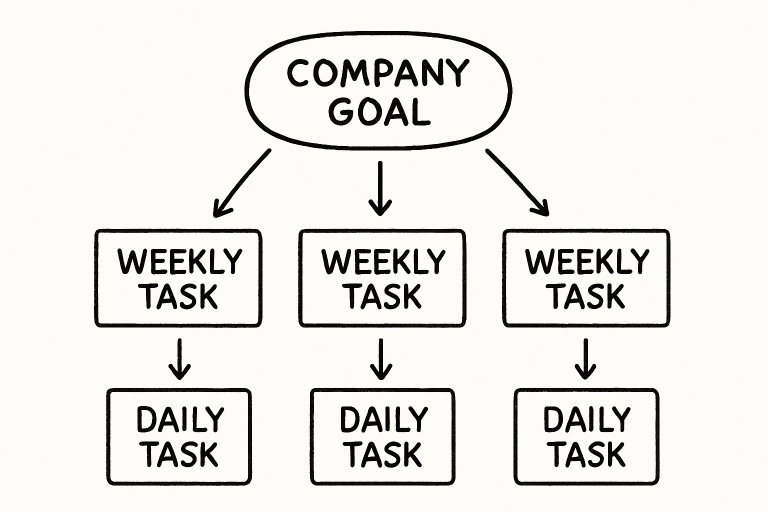
Turning a business strategy into actionable steps starts with breaking long-term objectives into manageable pieces. Begin by identifying weekly team goals that serve as stepping stones toward your wider vision. For instance, if a strategic initiative involves expanding market share, weekly goals might include increasing outreach to new prospects or optimizing customer follow-ups.
Following this, use daily planning approaches, such as the Most Important Tasks (MITs) method, to help individuals prioritize their tasks. When each team member is clear on what matters most for any given day, energy is directed toward the activities that drive real results. This approach keeps the strategy approachable and prevents overwhelm, especially when work gets busy.
Structuring goals in this way encourages accountability and progress tracking. Constantly bringing long-term objectives into short-term focus is key to creating habits that reinforce the business’s strategic direction.
Use Project Management Tools That Link to Strategic Goals
Digital project management platforms have become essential in weaving strategy into day-to-day operations. Tools like Asana, ClickUp, and Monday.com make it easy for organizations to not only assign tasks but also to integrate goals so that every project and subtask can be tied directly to company objectives. These platforms support tags, responsibility assignments, and timeline tracking: features crucial for maintaining visibility of progress and alignment.
For example, with project boards dedicated to different strategic pillars, managers can quickly see which teams are making advances and where roadblocks are forming. Other teams learn from visible successes, creating a culture where shared victories reinforce focus and engagement.
Implement Meeting Rhythms That Reinforce Focus
Consistent, concise meetings are one of the most effective tools for keeping teams in sync with company strategy. Daily huddles can highlight urgent blockers or opportunities for quick wins, fostering an agile work environment. Weekly syncs offer a chance to review outcomes, adjust the course, and prioritize work with the highest strategic value for the days ahead.
Monthly reviews create a dedicated space to step back and consider whether ongoing projects are pulling the business in the right direction. When leaders use these routines to actively connect operational updates with strategic goals, employees are reminded of the bigger picture. Making meetings a cornerstone of strategic rhythm also ensures that teams adapt quickly without losing sight of long-term aims.
Make Progress Visible and Celebrated
Celebrating strategic wins at all levels strengthens connection to company goals and promotes a sense of shared success. Whether a team completes a major deliverable ahead of schedule or an individual helps secure a key client, public recognition builds morale and signals that everyone’s work matters.
Regularly updating dashboards, sharing progress in meetings, and spotlighting contributions in company communications are just a few ways to create this visibility. When people clearly see the impact of their efforts, it becomes much easier to maintain investment in routine behaviors that reinforce strategy.
Reinforce Standards and Accountability
For a strategy to become part of the everyday workflow, high standards and defined accountability must be built into the process. Leaders should set clear performance expectations, define how outcomes will be measured, and assign responsibility for each major objective. Checklists, dashboards, and regular feedback loops help teams stay on track and make improvements where they matter most.
Ensuring everyone knows who owns each task or metric minimizes confusion and enables swift, informed responses when adjustments are required. When structure and accountability are embedded in business routines, day-to-day activities naturally align with strategic intent.
Measuring Progress and Staying Adaptive
Monitoring whether daily routines translate into real progress toward business goals is essential. Leaders can use a mix of key performance indicators (KPIs), qualitative feedback, and regular check-ins to determine if efforts are yielding meaningful results. Should progress stall or opportunities arise, quick course correction keeps the company on track.
This adaptive approach is especially important in fast-changing markets, where the ability to learn and pivot quickly can determine long-term success. A process that encourages continuous improvement creates resilience and enhances overall strategic agility.
Focus on Progress Over Activity
Activity for activity’s sake does not guarantee positive business outcomes. Instead, prioritize actions and results that are directly connected to strategic objectives. Reviewing only the number of tasks completed might give a false sense of accomplishment. Leaders should encourage teams to ask: Are these actions contributing real progress toward our most important priorities?
Focusing on impactful work over busywork helps eliminate distractions and emphasizes the link between daily behaviors and the organization’s longer-term mission. By tracking success in terms of results, businesses can adapt faster and achieve greater growth.
Make Space for Strategic Reflection
Strategic reflection allows teams to zoom out, question existing assumptions, and identify potential improvements. Monthly strategy sessions, structured team discussions, and open forums for feedback offer opportunities to pause, learn, and adjust based on real-world experience.
These practices are about more than just reporting; they foster learning, adaptability, and innovation. By regularly assessing where the business stands and what needs to shift, organizations build the agility necessary to excel even as conditions evolve.
Final Thoughts
Building strategy into daily business routines is crucial for bridging the gap between ambitious goals and actual results. Through clear goal-setting, thoughtful use of digital tools, intentional meeting structures, visible progress, and a culture of accountability, companies can foster a dynamic cycle of improvement. Periodic reflection and a focus on real progress, not just activity, ensure that strategy becomes an active force in everyday operations. With a consistent commitment to alignment and learning, businesses position themselves for sustainable, long-term success.
