
Key Takeaways
- Hiring a seasoned hardwood flooring contractor ensures long-term value and durability for your floors.
- Understanding different hardwood types makes a significant difference in style and function.
- Proper installation and maintenance protect your investment over time.
- Industry standards, certifications, and solid contracts are signs of a professional contractor.
- Asking the right questions during the hiring process can prevent common installation issues.
- Budget considerations and cost planning help avoid unexpected expenses.
- Utilizing authoritative resources helps educate homeowners on the latest trends and best practices.
Table of Contents
- Why Hire a Professional Hardwood Flooring Contractor?
- Types of Hardwood Flooring: Choices and Considerations
- Installation Best Practices for Long-Lasting Floors
- Qualifications and Certifications to Look For
- Tips for Selecting the Right Contractor
- Common Pitfalls to Avoid When Hiring
- Cost and Budgeting for Your Hardwood Flooring Project
- Staying Informed: Resources and Industry News
- Conclusion
Why Hire a Professional Hardwood Flooring Contractor?
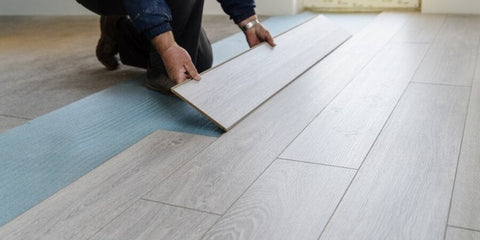
Investing in professional hardwood floor installation is crucial for homeowners who want their flooring to last for decades. The difference between a DIY project and a job managed by experts is evident not just in immediate appearance but also in the longevity and resilience of your floors. Qualified professionals, such as those at Artisan Flooring of NC Hardwood Floors, bring a mastery of craft, specialized tools, and extensive knowledge of wood behavior, which is essential to achieving a flawless result. Their experience ensures that your investment is protected right from the start.
A professional installation streamlines the entire process and resolves possible issues before they arise. Homeowners benefit from expert guidance, project management, and the assurance that their hardwood floors will withstand foot traffic, climate changes, and everyday wear. Working with a qualified contractor offers peace of mind and often includes warranty protection, further safeguarding your investment.
Types of Hardwood Flooring: Choices and Considerations
Selecting the right hardwood flooring is about balancing visual appeal and practical demands. Popular choices like oak, maple, and hickory have unique characteristics: oak is favored for its classic look and durability, maple offers a lighter and smoother appearance. In contrast, hickory is renowned for its strength and distinctive grain. In spaces susceptible to heavy traffic, denser woods typically yield longer-lasting results, while rooms with lower activity levels may welcome more exotic or softer species.
Hardwood can also be finished in various ways, such as prefinished boards that simplify installation or site-finished planks for ultimate customization. Factors like color, grain, hardness rating, and even sustainability certifications may influence your decision. Consulting with a professional ensures your floor suits your lifestyle and home’s design aesthetic.
Installation Best Practices for Long-Lasting Floors
Achieving a durable, remarkably appealing hardwood floor goes far beyond selecting the right wood; impeccable installation is fundamental. This includes detailed subfloor preparation, acclimatizing the wood to your home’s humidity, and using moisture meters to prevent warping or gaps. Adherence to professional guidelines from the National Wood Flooring Association (NWFA) ensures that installation is performed to the highest standards.
Qualifications and Certifications to Look For
When vetting flooring contractors, certifications are a mark of skill and commitment. Look for contractors who are members of recognized industry organizations like the NWFA or possess credentials from relevant trade associations. Confirm that they are licensed, insured, and can provide a portfolio of previous work. These qualifications demonstrate not only technical ability but also a dedication to staying current with industry developments.
Tips for Selecting the Right Contractor
- Request and call multiple references to learn about past client experiences.
- Check online reviews on reputable platforms for broader feedback.
- Ask about years of experience and areas of specialization within hardwood flooring.
- Inspect portfolios or visit previous project sites if possible.
- Review written contracts for transparency on timelines, materials, and warranty protection.
Laying this groundwork enables homeowners to confidently choose a contractor who will bring expertise and accountability to the job, ensuring the finished floors become a cherished feature within the home.
Common Pitfalls to Avoid When Hiring
A common mistake is hiring based solely on price; the lowest bid may result in lower-quality materials or rushed installation. Some homeowners have learned the hard way, facing issues like creaking boards, water damage, and uneven surfaces. Avoid skipping background checks and ask detailed questions about installation methods, warranties, and after-sales support. Reliable contractors are transparent about their process and happy to answer all your queries.
Cost and Budgeting for Your Hardwood Flooring Project
Costing a hardwood flooring project requires careful planning. Expenses vary widely based on the wood species, installation method, and geographic location. According to industry reports by Forbes Home, it’s prudent to secure quotes from multiple contractors, build a contingency into your budget for unexpected findings like subfloor damage, and understand the total investment, including future maintenance such as refinishing.
In addition, routine care, such as cleaning with appropriate products and avoiding water exposure, drastically improves the lifespan of your floors. Make provision for these upkeep tasks as part of your long-term budgeting strategy.
READ MORE : When Family Trusts Break Down: A Probate Litigation Attorney’s Role
Staying Informed: Resources and Industry News
Staying abreast of industry advancements ensures you’re making well-informed decisions. Reputable resources such as the Better Homes & Gardens hardwood flooring guide offer current advice on trends, installation tips, and eco-friendly choices. By leveraging such information, you maintain your floors’ value and visual impact for years to come.
Conclusion
Selecting a hardwood flooring contractor isn’t just about aesthetics—it’s an investment in your home’s value and comfort. Thorough contractor vetting, wise wood selection, and industry-approved installation methods ensure that your finished floors are beautiful, long-lasting, and a true asset to your property. With careful planning and guidance from trusted professionals, your hardwood flooring project will be a success from concept to completion.
