
Table of Contents
- Introduction
- Importance of Child Support
- Modernization of Child Support Systems
- Employment and Training Services
- Policy Reforms and Initiatives
- Challenges in Child Support Enforcement
- Community Support and Resources
- Conclusion
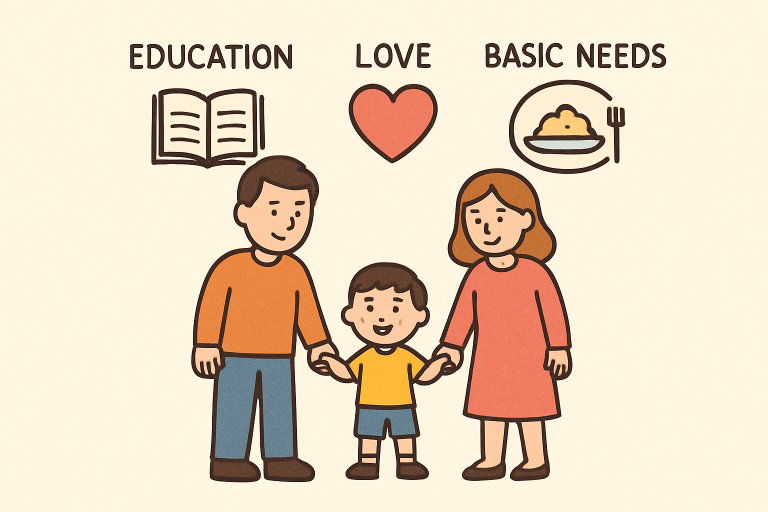
Child support systems are designed to ensure that children receive the financial resources they need to grow and flourish, even when their parents live apart. Through contributions enforced by these systems, children gain access to essentials such as nutrition, clothing, education, and healthcare. As a result, these systems not only bridge financial gaps but also hold parents accountable for their children’s well-being. Parents seeking more information about their obligations and rights can learn more about Child Support and how these services provide crucial assistance for families in transition.
As society evolves, so do the ways families are supported. The processes for establishing parentage, calculating payments, and enforcing support are more efficient than ever. Investments in technology and new policies have resulted in tangible improvements for families. These changes allow custodial parents to meet daily needs more reliably and help children maintain stable routines critical for healthy development.
Modern child support systems not only focus on collecting and distributing financial support but also on offering broader assistance, such as employment programs and legal guidance. Ongoing reforms and innovative initiatives keep these systems equitable and responsive to today’s families’ needs.
In this article, you will discover the core aspects of child support, the importance of modernizing the system, expanded employment services, current policy reforms, common enforcement obstacles, and how local communities continue to make a difference. This comprehensive exploration highlights why strong child support systems are essential for the well-being and stability of families across the country.
Importance of Child Support
For many single-parent families, child support can represent a significant share of household income. The Center on Budget and Policy Priorities reported that in 2023 alone, $896 million was retained by government entities instead of reaching families who rely on these funds to cover basic living expenses. Ensuring direct distribution of collected support payments better equips custodial parents to meet their children’s daily needs, reducing economic insecurity and improving outcomes for young people.
Beyond the financial aspect, regular support increases a child’s sense of stability and connection to both parents. Research consistently shows that children benefit emotionally and academically when their financial needs are consistently met. Reliable child support payments help promote long-term educational achievement and better health by reducing stress and instability within the family unit.
Modernization of Child Support Systems
Modern technology plays a vital role in how child support cases are managed and resolved. A notable example is the implementation of the ChAMP cloud-based system in Texas. ChAMP simplifies case management, speeds up communication between parents and caseworkers, and allows families to track and receive payments more efficiently. These upgrades reduce administrative burdens and streamline the user experience, making support more accessible for families who need it the most.
Similar innovations are being adopted in several states, enabling online portals for payment tracking, increased data sharing between agencies, and improved accuracy in processing case updates. As states invest in such digital infrastructure, families benefit from quicker resolutions and greater transparency throughout the process. To learn more about state-level initiatives and national trends, the U.S. Department of Health and Human Services offers extensive resources.
Employment and Training Services
Addressing employment barriers is another strategy for improving child support compliance. Noncustodial parents who struggle to find steady work are less likely to keep up with payments. Recognizing this, the federal government recently proposed rules that allow state child support programs to fund employment and job training initiatives alongside traditional enforcement efforts.
These services, including resume building, job readiness workshops, and job placement programs, have demonstrated success in improving parents’ earning potential and payment consistency. By offering these resources, child support agencies help parents overcome financial obstacles, ensuring that more children get the support they deserve.
Policy Reforms and Initiatives
Lawmakers are increasingly prioritizing reforms that strengthen family support networks and protect vulnerable children. One example is the Supporting America’s Children and Families Act, which reauthorizes critical child welfare programs and promotes family preservation efforts, particularly for children in or at risk of entering foster care. These changes help ensure that child support goes beyond financial transfers, instead aiming to foster genuine family stability and child safety.
Other legislative efforts address the balance between enforcement and compassion, recognizing that punitive measures can sometimes do more harm than good, particularly for low-income parents. By focusing on individualized support and alternatives, such as payment plan adjustments and mediation services, policy reforms aim for better long-term outcomes for both children and parents.
Challenges in Child Support Enforcement
Despite ongoing reforms and modernization, several challenges persist within the system. In Georgia, for instance, a case involving a mother who continued to be charged support fees after her children were placed in foster care highlighted the complexities facing families in crisis. Such cases underscore the importance of developing policies that recognize parental hardships and create opportunities to support, rather than penalize, struggling families.
Additionally, enforcement issues arise when parents move between states, have unstable housing, or lack access to legal assistance. Coordination among state agencies and proactive outreach to families are needed to close gaps and resolve disputes efficiently, ensuring that all children receive the support they are owed.
Community Support and Resources
At the local level, child support programs offer comprehensive assistance that extends far beyond payment collection. Services provided by agencies include helping establish legal parentage, providing parenting classes, and connecting families with additional social services. These holistic programs are critical for giving parents the tools they need to fulfill their obligations and provide a nurturing home environment.
Community organizations also frequently partner with public agencies to run outreach campaigns, facilitate mediation, and offer financial literacy programs tailored to parents in the child support system. These resources, along with access to legal and mental health support, play a vital role in helping families achieve lasting stability and resilience.
Conclusion
Child support systems are indispensable for supporting children’s physical and emotional needs. As these systems continue to modernize and adapt, children are better positioned to receive timely and consistent assistance. At the same time, comprehensive policies and community efforts help ensure that families are treated with respect and given the opportunity to thrive. Continued progress in technology, policy, and local support will be essential in transforming challenges into opportunities for every family in need.
