

Key Takeaways
- Criminal charges can significantly hinder employment opportunities due to the mandatory nature of background checks.
- Educational pursuits may be affected, with institutions potentially denying admission or financial aid.
- Housing options can become limited, as landlords often conduct background checks on prospective tenants.
- Professional licensing boards may deny or revoke licenses based on an individual’s criminal record.
- Personal relationships and social standing can suffer due to the stigma associated with criminal charges.
When criminal charges are filed against you, the consequences can go far beyond court hearings and potential legal penalties. Your plans, aspirations, and reputation may be significantly impacted. If you or a loved one is facing this situation in Florida, speaking with a trusted Marion County criminal defense attorney is essential to protect your rights and mitigate the effects of a criminal record.
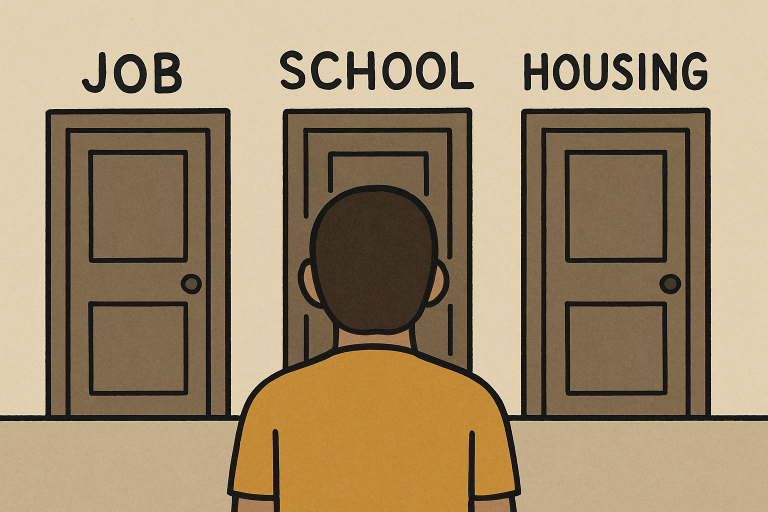
Aside from legal outcomes, criminal charges influence every aspect of your life, including where you can live, work, or attend school. The aftermath often extends to personal relationships, mental health, and professional licenses, making it critical to understand these impacts and seek appropriate support.
A criminal record isn’t just a matter of public perception—it can lead to concrete barriers that make it harder to move forward. Being aware of these obstacles empowers individuals to take informed steps, whether that’s fighting charges, seeking expungement, or accessing community resources.
Employment Challenges
One of the most immediate and devastating effects of a criminal charge is its impact on employment. Many employers run comprehensive background checks on job applicants. Even in states with “ban the box” legislation, which discourages asking about convictions early in the hiring process, a background check may reveal a criminal record. Employers are often hesitant to hire individuals with certain convictions, particularly for roles in finance, healthcare, security, or education where trust and responsibility are paramount.
According to a report from the Institute for Justice and Opportunity, over 77 million people in the United States have a criminal record, and the use of background checks to bar access to employment creates a system of perpetual punishment for these individuals.
Educational Barriers
Criminal charges can limit educational opportunities, which in turn impact career prospects and lifetime earning potential. Many colleges and universities require applicants to disclose past convictions, and serious or recent offenses may result in the denial of admission. Some convictions can also make students ineligible for federal financial aid, including Pell Grants and student loans, which are vital for funding higher education. Accessing legal services can help individuals understand their rights, navigate record expungement or mitigation options, and improve their chances of qualifying for educational opportunities.
Scholarships might be revoked or withheld, and some programs—such as those in healthcare, law, or education—are particularly strict about past criminal history. The effect is a significant limitation on the ability to pursue degrees and credentials necessary for well-paying jobs.
Housing Difficulties
Finding stable housing is another major challenge for people with criminal records. Landlords and property management companies routinely conduct background checks and may refuse to rent to applicants with criminal convictions, fearing property damage, unpaid rent, or issues with other tenants. Public housing authorities may also disqualify applicants based on certain types of offenses.
The result is that many individuals with criminal records are forced to accept substandard housing or rely on friends and family for a place to stay, which can contribute to cycles of instability and homelessness. Stable housing is crucial for successful reentry and reducing recidivism rates.
Professional Licensing Issues
Professional careers in sectors such as healthcare, accounting, law, real estate, and cosmetology often require licensing or certification from state boards. Many licensing applications include background checks, and certain criminal convictions—especially those relating to fraud, violence, or substance abuse—can be grounds for denial or revocation of a license.
This barrier can stall or derail entire career paths, even for individuals who have completed all required education and training. Regulations for licensure vary widely by state and profession, so consulting with knowledgeable legal counsel is crucial if you are planning a career that requires licensure.
Social and Personal Relationships
The consequences of criminal charges are not limited to professional and financial impacts. The stigma attached to a criminal record can affect relationships with family, friends, and the wider community. Some may feel embarrassed or isolated, while others may experience overt discrimination or social exclusion, all of which can take a toll on mental health and overall well-being.
In some cases, criminal charges or convictions can even be grounds for divorce or affect child custody decisions. Stigma and isolation are risk factors for depression, anxiety, and substance abuse, making social support and mental health care especially important for affected individuals.
Legal Remedies and Expungement
There are legal options available for some individuals with criminal records, including the possibility of expungement or record sealing. These legal procedures, available in varying forms depending on state laws and the nature of the offense, can help remove barriers by making records inaccessible to most employers, landlords, and the public.
Not all offenses are eligible for expungement, and the process can be complex. It is highly recommended to consult with a criminal defense attorney to determine eligibility and receive guidance on the next steps.
Final Thoughts
Understanding the far-reaching consequences of criminal charges is the first step toward protecting your future. From employment and education to housing and personal relationships, these impacts can be profound and lasting. By seeking timely legal counsel and being proactive about available legal remedies, it is possible to mitigate the negative consequences and move forward with rebuilding your life with confidence and hope.
