
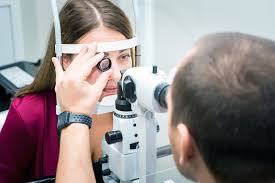
It is a bit strange to think about how some of the most serious health issues do not actually hurt or show any clear signs until they have already done quite a bit of damage. Many people assume that as long as they can see well enough to drive or read, their eyes must be perfectly healthy; however, there is a distinct condition that differs from a simple need for glasses. This condition involves intraocular pressure rising to a level that begins to damage the optic nerve, the part of the body that carries visual information to the brain. The loss of vision usually starts at the very edges of your sight, where you might not notice a small patch of blurriness or a missing spot in your peripheral vision.
Why Does Catching The Issue Early Change The Outcome
Doctors emphasise regular screenings because once the optic nerve is damaged, it cannot be repaired or replaced with current medical technology. If you catch the rise in pressure before the nerve is hurt, then the focus shifts toward a steady glaucoma treatment plan that keeps the pressure at a safe level and protects your sight for the rest of your life. It is a practical way to assess eye health because you are essentially managing a number, just like someone might manage their blood pressure or their cholesterol levels. At centres such as Dr Agarwal’s, the process involves using a puff of air or a small blue light to measure the internal pressure, and then examining the back of the eye to assess how the nerve is holding up. Most of the time, this check is over in a few minutes, and it gives you a clear baseline for how your eyes are functioning.
There are many ways to manage this condition once it is identified, and many people find that using a simple medicated eye drop once or twice a day is sufficient to maintain stable vision. This is a common part of the glaucoma care process, where the goal is to either help the fluid inside the eye drain more effectively or to slow how much fluid the eye produces in the first place. When the drops are insufficient, small laser procedures can be performed in the office to help open the eye’s natural drainage channels. This variety of options means that a diagnosis is not something to fear but rather a piece of information that allows you to take control of your future vision before any real loss occurs.
The Logic Of Consistent Monitoring
It is a realistic observation that as we get older, the risk for these types of conditions goes up, especially if there is a history of it in the family or if someone has other health issues like diabetes. Taking a small amount of time once a year to undergo a comprehensive exam is much easier than dealing with a permanent loss of vision that could have been avoided with a simple bottle of eye drops. Sometimes doctors might use a machine to map the thickness of nerve fibres, which is a useful way to see whether there are any subtle changes from one year to the next. This kind of data enables highly precise glaucoma treatment tailored to the eye’s specific needs at that moment.
The overall idea is that your eyes are a dynamic part of your body that changes over time, and staying ahead of those changes is the best way to keep your world looking clear. Most people find that once they have a routine for their eye care, it becomes just another part of their general health maintenance, like going to the dentist or getting a physical. Understanding how the pressure inside your eye works makes it much easier to see why that yearly checkup is such a logical and helpful habit to keep.
