
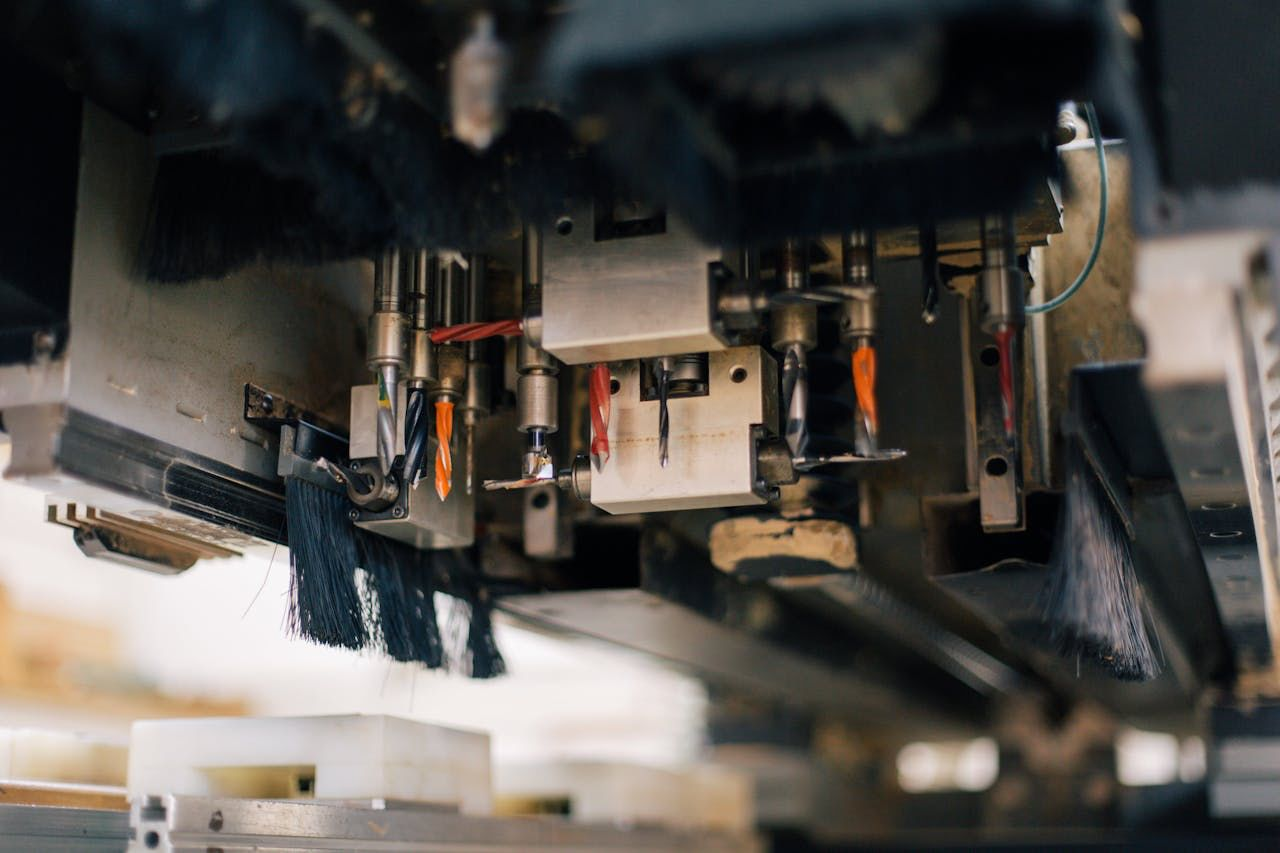
Linear actuators have become absolutely essential in modern manufacturing and automation systems, fundamentally changing how industries think about precision movement and control. These sophisticated mechanical devices take rotational motion and convert it into linear motion, think of it as transforming a spinning motor into a push-and-pull powerhouse. This capability enables precise positioning and controlled force application across countless industrial applications. You’ll find them everywhere from automotive assembly lines to pharmaceutical packaging systems, where they serve as the backbone of automated processes demanding accuracy, repeatability, and rock-solid reliability.
The Fundamental Role of Linear Actuators in Automation Systems
Every automated manufacturing process shares one critical need: precise, controlled movement. Linear actuators answer this call by delivering straight-line motion with exceptional accuracy and force control that traditional methods simply can’t match. Unlike older hydraulic or pneumatic systems that rely on fluid pressure, modern electric linear actuators bring programmable positioning and variable speed control to the table, integrating seamlessly with computerized control systems. This precision matters tremendously, manufacturers routinely achieve tolerances measured in micrometers, which is absolutely essential when producing electronic components, medical devices, or aerospace parts where even microscopic variations can spell disaster.
Diverse Industrial Applications Across Multiple Sectors
Manufacturing industries have embraced linear actuators across an impressive range of applications, and each sector leverages their unique capabilities differently. Take automotive production facilities, for instance, these devices power robotic welding arms, component positioning systems, and quality inspection equipment with millimeter-level precision that keeps production humming. Food and beverage processing plants rely on them heavily in packaging machinery, filling stations, and sorting systems, where hygiene standards absolutely demand sealed, contamination-resistant designs that won’t compromise product safety. The pharmaceutical industry takes things even further, depending on linear actuators for precise dosing, tablet pressing, and vial filling operations where accuracy literally impacts product efficacy and patient safety.
Advantages Over Traditional Actuation Methods
Linear actuators deliver compelling advantages when compared to hydraulic cylinders and pneumatic systems that have long dominated industrial automation. Electric linear actuators eliminate the headache of compressed air systems or hydraulic fluid management entirely, cutting energy consumption by up to forty percent while removing environmental concerns about fluid leaks that can contaminate workspaces. Maintenance becomes significantly simpler too, they contain fewer wear components and operate without filters, seals, or fluid that needs regular replacement and disposal. The precision control available with electric actuators absolutely dwarfs what pneumatic alternatives can achieve, since air compressibility makes accurate positioning a constant challenge.
Key Performance Specifications and Selection Criteria
Choosing the right linear actuators requires careful consideration of multiple performance parameters that directly impact whether your system succeeds or struggles. Load capacity stands as the primary specification, this determines the maximum force the actuator can exert or weight it can move throughout its entire stroke length. Speed requirements need to balance production throughput demands against precision needs, since higher velocities can sometimes compromise positioning accuracy in sensitive applications. Stroke length defines the total distance the actuator can travel, which absolutely must accommodate the full range of motion your application requires, plus appropriate safety margins for unexpected situations.
When applications demand continuous operation in harsh industrial environments, engineers turn to durable linear actuator solutions that can sustain required operating frequencies without overheating or suffering premature component failure. Environmental factors play a huge role too, temperature extremes, moisture exposure, dust contamination, and chemical resistance all influence actuator design and which protective coatings you’ll need. Protection ratings indicate how well the actuator resists ingress from particles and liquids, which becomes critical in food processing, pharmaceutical, and outdoor applications where exposure is unavoidable.
read more : Why Interior Designers Benefit from Sketchup Course Training
Integration with Smart Manufacturing and Industry 4. 0
The shift toward smart manufacturing has positioned linear actuators as absolutely critical enablers of Industry 4. 0 initiatives sweeping through factories worldwide. Modern actuators equipped with integrated sensors and communication protocols feed real-time performance data to centralized monitoring systems, enabling predictive maintenance strategies that prevent those dreaded unexpected shutdowns. Machine learning algorithms crunch through actuator operational data to spot patterns indicating wear, misalignment, or impending failure, giving maintenance teams the heads-up they need to schedule interventions during planned production breaks rather than emergency scrambles.
Conclusion
As industries march steadily toward fully integrated smart factories, the role of sophisticated linear actuation systems will only expand, driving innovation in robotics, automated material handling, and adaptive manufacturing processes that can pivot quickly to meet changing market demands. The ongoing development of more compact, powerful, and intelligent linear actuators promises to unlock possibilities in industrial automation that seemed like science fiction just years ago, enabling manufacturers to achieve previously unattainable levels of productivity, quality, and operational flexibility in an increasingly competitive global marketplace where standing still means falling behind.
