
Key Takeaways
- Modern vehicle safety technologies have contributed to fewer fatalities and injuries from traffic accidents.
- New data collection methods help expedite accident investigations and claims processing.
- Repair costs are rising as cars become more technologically advanced, impacting insurance outcomes.
- Liability and legal complexities are increasing as autonomous systems become more common.
- The benefits of new automotive technologies are not yet equally accessible to all drivers.
Technological advancements have fundamentally transformed the automotive industry, and nowhere is this more apparent than in the realm of car accident recovery. Innovations have not only made vehicles safer but have also changed how accidents are investigated and how quickly victims can recover physically, legally, and financially. Those navigating the aftermath of a collision may wish to contact a trusted car accident lawyer in Orlando, FL, to assist with their recovery. As modern vehicles integrate more advanced systems and features, they provide drivers, insurers, and injured parties with more tools than ever before to handle accidents efficiently.
In addition to enhanced safety, modern vehicles have driven significant changes across insurance claims, legal liability, and even the accessibility of life-saving features. From increased data collection to advances in artificial intelligence, this evolution has shaped the entire landscape of car accident recovery and prevention. As a result, drivers face both new opportunities and new challenges in the quest for a safer, more streamlined recovery after an accident.
Enhanced Safety Features Reduce Accident Severity
Automotive safety features have advanced well beyond seatbelts and airbags. Today’s vehicles are often equipped with systems such as adaptive cruise control, automatic emergency braking, lane departure warning, and blind-spot detection. These technologies are designed to prevent accidents from occurring in the first place and to minimize the severity of collisions when they do. According to the National Highway Traffic Safety Administration, the widespread adoption of these features has led to a sustained decline in both traffic fatalities and serious injuries across the United States. In fact, 2025 saw a 6.7 percent reduction in traffic deaths, with the sharpest decline in pedestrian fatalities in the past fifteen years, largely due to these innovations.
These safety advancements not only protect drivers and passengers but also play a critical role in reducing the severity of accidents. The data is clear: increased implementation of advanced safety systems is linked to fewer severe outcomes on American roads, as highlighted in a recent Axios report.
Data Collection Accelerates Claims Processing
Modern vehicles function as sophisticated data hubs. With the incorporation of event data recorders (EDRs), telematics, and on-board sensors, cars today can collect critical information in real time. When an accident occurs, these systems record invaluable data, such as speed, braking patterns, steering behavior, and airbag deployment, all of which are crucial to accurately reconstructing the accident. This data allows insurance providers and legal professionals to process claims much more efficiently and make better-informed decisions. The speed and transparency offered by these technological advancements can significantly reduce wait times for vehicle repairs and compensation following a collision. According to a recent VentureBeat article, the integration of these technologies is revolutionizing evidence collection and streamlining communication among drivers, insurers, and legal representatives.
Increased Repair Costs Due to Advanced Technologies
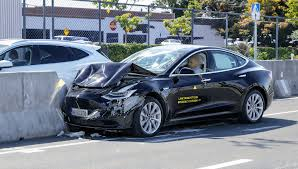
While cutting-edge features keep occupants safer, they can also drive up repair bills. Components like radar sensors, cameras, and complex wiring systems require specialized parts and labor. As a result, repairs are often more expensive, especially after serious collisions. Insurers are increasingly declaring vehicles as total losses when the cost to repair damage exceeds the car’s market value, leading to a record 27 percent total loss rate in 2023. The complexity of these newer systems can make even modest repairs costly, changing how insurance providers evaluate claims for repairs versus total replacement. For more information on the challenges and trends in auto insurance claims, see the comprehensive coverage at Reuters.
Legal Implications and Liability Considerations
The adoption of autonomous and semi-autonomous features is introducing new complexities into questions of legal responsibility. When artificial intelligence systems play a significant role in an accident, it becomes critical to obtain and analyze data from vehicle systems to establish fault. Determining liability can require insight into whether human error, system malfunction, or external factors played the greater role. Insurers must now work with entities ranging from vehicle manufacturers to tech companies to fully understand the nuances of these incidents. As vehicles become smarter, legal professionals and policymakers are challenged to keep pace with rapidly evolving liability issues, as discussed in this Axios report on the uncertainty around self-driving car insurance.
Consumer Adaptation to New Technologies
Despite the promise of these advancements, some drivers find certain safety features intrusive or distracting. Regulators are now responding by revising vehicle rating systems, aiming to prioritize technologies that maximize safety while minimizing driver annoyance. For instance, Euro NCAP plans to rate vehicles more favorably when their safety systems are effective yet less intrusive, starting in 2026. These efforts aim to ensure that the broad adoption of safety technology remains driver-friendly and genuinely beneficial over the long term. For more on the regulatory evolution of car safety technologies, see the Euro NCAP’s announcement on 2026 protocol changes.
read more: https://differencewise.com/
Impact on Vulnerable Populations
Even as modern features become the norm, not every driver benefits equally. Teens, for example, are more likely to drive older, less protective vehicles to fully understand the nuances of these incidents. Studies show their risk climbs nearly 30 percent compared to those in newer cars. Economic disparities mean that many families cannot afford the latest safety features, underscoring the need for targeted initiatives and programs to expand access to safer vehicles. Bridging this gap is essential to ensuring that all drivers, regardless of age or economic status, have a fair shot at preventing accidents and recovering quickly. The Insurance Institute for Highway Safety offers resources and studies on this significant challenge.
Future Outlook
The continued integration of artificial intelligence, smarter sensor suites, and robust data collection promises an even safer and more efficient future for car accident recovery. As these technologies proliferate, stakeholders across law, insurance, and public safety must work together to address issues around repair costs, equitable access, and legal clarity. Navigating these advances demands collaboration and innovation from all corners of the auto industry to make driving safer and recovery smoother for everyone involved.
