
Table of Contents
- Introduction
- Preventing Chimney Fires
- Avoiding Carbon Monoxide Poisoning
- Improving Heating Efficiency
- Extending Chimney Lifespan
- Recommended Cleaning Frequency
- Signs Your Chimney Needs Cleaning
- Choosing a Professional Chimney Sweep
- DIY Maintenance Tips
Keeping your chimney clean is one of the simplest yet most impactful actions you can take for household safety. When chimneys are neglected, the risks to your family increase significantly, ranging from fire hazards to life-threatening air quality issues. To ensure your home remains a safe and comfortable place, it is crucial to address chimney maintenance as a regular part of home care. For expert help with chimney maintenance, visit https://southernchimneys.com/chimney-cleaning-atlanta/.
Homeowners who consistently clean and inspect their chimneys not only prevent emergencies but also enjoy a more efficient heating system and longer-lasting chimney components. This comprehensive guide explains why regular chimney cleaning matters, how to spot issues early, and practical steps you can take to maintain a safer home environment.
Preventing Chimney Fires
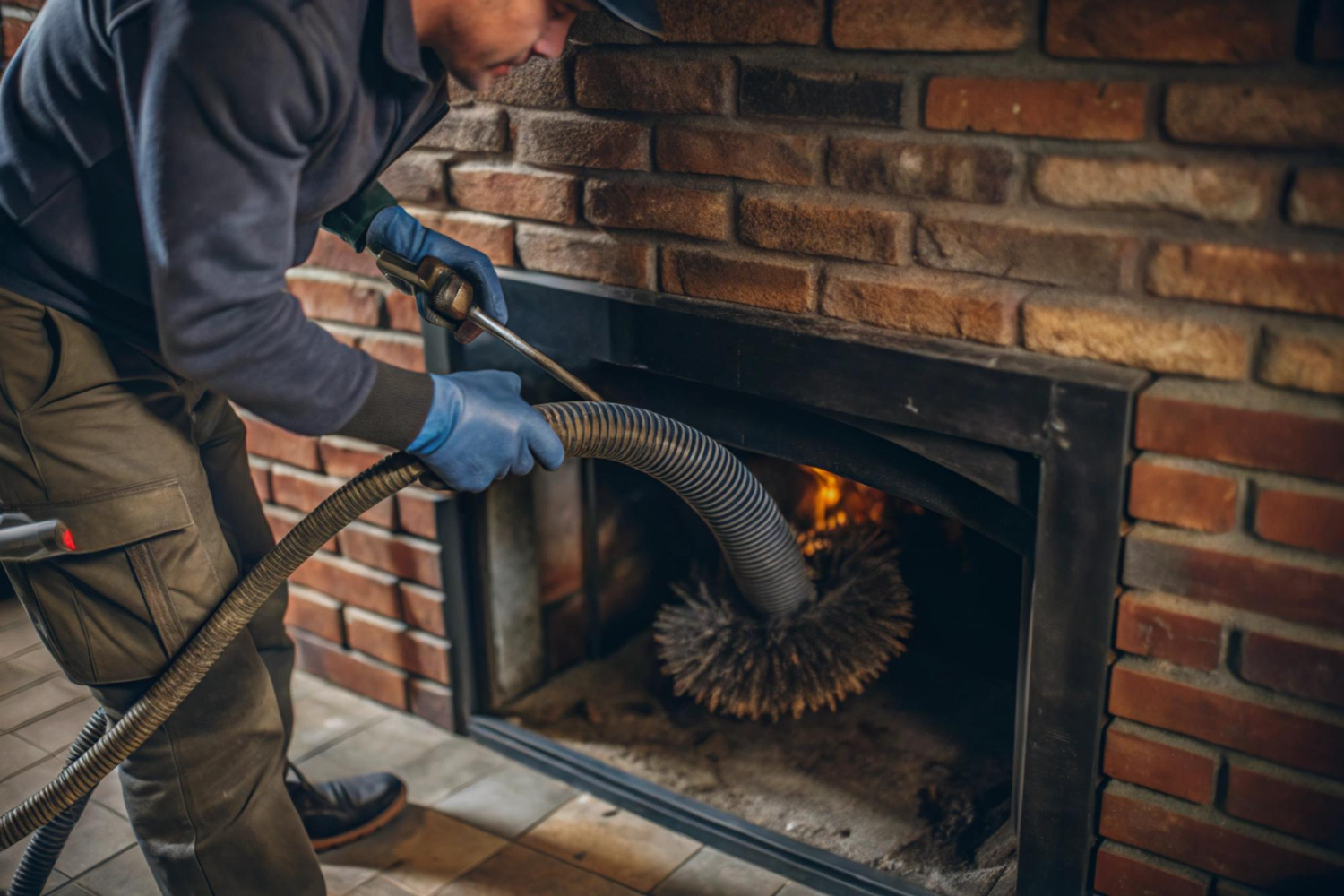
Chimney fires are often sudden and devastating, but they are also preventable. As wood burns in your fireplace, it produces creosote, which coats the inner lining of the chimney. Over time, creosote accumulates and becomes highly flammable. The U.S. Fire Administration reports that more than 25,000 chimney fires occur annually, responsible for millions in property loss. Annual cleaning is the most effective way to remove creosote buildup and minimize the risk of fire to your property and loved ones.
Avoiding Carbon Monoxide Poisoning
A lesser-known but equally critical hazard is carbon monoxide (CO) poisoning. If a chimney is blocked by soot, debris, or bird nests, exhaust gases containing CO can back up into the home. Because carbon monoxide is colorless and odorless, it often goes undetected until symptoms develop. Routine chimney cleaning ensures harmful exhaust can escape quickly and efficiently, helping protect your household from this invisible danger. To learn more about carbon monoxide safety, visit the Centers for Disease Control and Prevention.
Improving Heating Efficiency
Efficiency is another compelling reason to prioritize chimney maintenance. Soot and creosote buildups narrow the air passages, forcing your heating system to burn more wood or fuel to achieve the same amount of warmth. This results in increased expenses and unnecessary wear on the system. A clean chimney improves airflow, allowing your fireplace or stove to perform as intended while reducing heating costs throughout the colder months.
Extending Chimney Lifespan
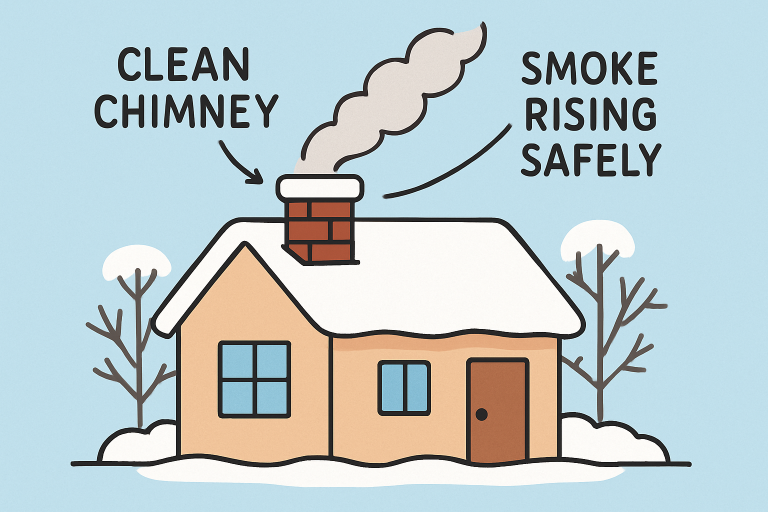
Regular inspections not only prevent emergencies but also preserve the chimney structure. Over time, moisture, soot, and debris can contribute to cracks, deterioration, and blockages in the masonry or liner. By identifying and resolving these issues early, you extend your chimney’s lifespan and reduce the likelihood of costly repairs down the road.
Recommended Cleaning Frequency
The National Fire Protection Association (NFPA) advises that chimneys, fireplaces, and vents be inspected at least once per year and cleaned as necessary. The right schedule depends on your usage and the type of fireplace or stove. Households that burn wood frequently may require cleanings as often as twice per season, while occasional users may find annual service sufficient. Following the NFPA’s recommendations promotes peace of mind and year-round safety.
Signs Your Chimney Needs Cleaning
Proactively monitoring for warning signs can help you avoid bigger problems. Common indicators that your chimney needs attention include:
- Thick soot or black residue lining the fireplace walls
- Pungent odors or an acrid burning smell, even when not in use
- Smoke lingering in the room or escaping through unintended routes
- Visible deposits or flaky debris inside the chimney
Addressing these signs early helps prevent complications and ensures your system operates safely.
Choosing a Professional Chimney Sweep
It is important to hire a qualified chimney sweep rather than handle all maintenance alone. Seek professionals who are certified by the Chimney Safety Institute of America (CSIA) or a similar reputable organization. Certified experts are trained to detect safety risks, conduct thorough inspections, and remove hazardous buildup, keeping your chimney in optimal condition year-round.
DIY Maintenance Tips
While professional service remains essential, homeowners can help keep their chimney functioning well between visits. Tips include:
- Using only dry, seasoned firewood to reduce creosote buildup
- Checking for blockages or visible structural issues regularly
- Installing a well-fitted chimney cap to keep out rain, debris, and animals
Simple steps like these minimize long-term risk and help you get the most out of your home’s heating system.
Regular chimney cleaning is not just about efficiency. It is a critical investment in your family’s health and safety. By understanding common risks, sticking to recommended maintenance schedules, and enlisting professional help when needed, you can ensure a safe, comfortable home that remains warm and inviting throughout the year.
