
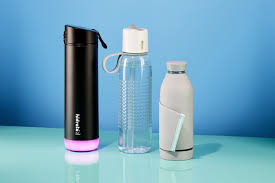
The modern generation is leveraging personal accessories as a style and status symbol. This displays increased expectations and demands in the market for diverse, high-quality pieces. And one such accessory that has gained considerable traction in recent years is the humble water bottle.
Yes, it’s the same water bottle that we all know and use every day to fulfil our hydration needs. What was once regarded as only a basic and simple utility product has now transformed into a fashionable statement with the integration of smart features. Be clear that we are not talking about those plastic-made bottles; these are the top-tier category of water bottles that are aesthetic and sustainable.
But the main question is how this basic item transitioned into a popular promotional merchandise and reshaped consumer behavior? This remarkable shift is particularly trending in the realms of B2B purchases and corporate gifting. Having said that, this publication explores the impact of this growing trend on personal identity and prospective lifestyle choices.
The retail stimuli of Stanley to a status symbol
How did this humble water bottle turn into a status symbol? The answer to this can be traced back to a viral phenomenon a few years ago. You must have heard and seen the renowned Stanley Quencher tumbler, right? That is the starting point for this transition.
Stanley Quencher initially entered the market as a brand demonstrating blue-collar durability. Later, it rebranded into a top-notch lifestyle accessory by offering limited-edition pieces in Pantone colours, strategic collaborations, and a prioritized focus on building aesthetic social media branding. This showcased their drinkware as a statement piece, generating excessive demand and long waiting lists.
The success of this drinkware brand proved that functionality limited to incredible insulation and a convenient handle was no longer enough; modern consumers expect their water bottles to be photogenic, collectible, and expressive of their personal style. Hence, the trend of using a water tumbler as a status symbol emerged.
This explosion of retail crossover has also reached the B2B sphere. Many organizations are now seeking top-tier and branded hydration items as high-impact employee rewards or corporate gifts that look beyond the generic branded merchandise. Products like Stanley Quencher deliver the same aesthetic appeal and perceived value that align with consumer expectations.
Therefore, if you are searching the market for a corporate gift to your teams and stakeholders, consider offering the sought-after, premium branded water bottles in Australia. Unlike the generic logo-emblazoned bottles or mugs, a modern and smart water bottle is both a health-conscious choice and a stylish perk.
The smart tech integration
It is always a smart decision to go the extra mile when curating promotional merchandise. This extra mile can be accomplished with a functional technological integration. This tech upgrade will transform passive water bottles into “smart” hydration accessories.
Trending advanced features now include:
- Touchscreen temperature displays: Containers with built-in LED panels provide real-time readings of the liquid inside, thereby eliminating the risk of a scalded tongue or an unsatisfactory tepid drink.
- Hydration tracking and app connectivity: While not yet commonly adopted, smart bottles now come with a dedicated smartphone app. Users can sync the app with the bottle to monitor intake, set personalized daily goals, and set reminder notifications. This feature facilitates wellness movement with quantifiable self-tracking, often preferred by fitness enthusiasts and productivity seekers alike.
- Self-cleaning UV-C technology: This is a premium feature that leverages UV light to automatically sterilise the interior, addressing hygiene practices with a high-tech solution.
For B2B buyers, especially in tech, wellness, and professional sectors, using this for corporate gifting demonstrates the company as innovative and attentive to modern lifestyles.
Sustainable materials – Eco values and design statement
Appeal to your eco-conscious clients by offering sustainable items that also serve as a statement accessory. The most common sustainable material for water bottles is glass. They are often preferred for their purity and taste preservation, but you can make them more elegant by encasing them with protective silicone sleeves. These sleeves are also available in a spectrum of colours and textures, from matte minimalist to vibrant patterned, perfect for personalisation to provide grip and breakage resistance.
Beyond glass, you can also opt for high-quality, recycled stainless steel, borosilicate glass, and non-toxic, biodegradable materials that align with a distinct consumer identity. Carrying around such a bottle is a visible commitment to health and environmental responsibility, serving as a non-verbal symbol of values.
The crossover to the B2B environment from a personal desk
Previously, water bottles were never seen as anything more than a basic hydration kit. Its place has always been in personal spaces. However, over the years, that viral phenomenon has pushed them to crossover into the B2B procurement strategy.
Many B2B buyers are now using this drinkware as:
- High-impact corporate gifts: A premium, smart water tumbler is now perceived as a luxurious, functional, and durable gift, ensuring daily brand visibility in a wellness context.
- Employee onboarding and wellness kits: Including a smart bottle in wellness hampers during programs encourages recipients to adopt healthy habits.
- Conference and event swag: During corporate events, display your values more effectively by giving away a sustainable, event-branded smart bottle, thereby enhancing attendee experience and reducing environmental footprint.
A well-curated water bottle can be a canvas for corporate identity.
Wrap up
The transition of the smart water bottle to a status symbol is the result of a layered story driven by retail innovation, technological integration, and values-driven consumption. Offering it as a corporate gift is a direct reflection of the company’s ESG values, often associated with wellness, sustainability, and digital connectivity. As this trend is adopted across industries, the market for drinkware will continue to offer hyper-personalised options for every aesthetic and functional preference.
Hence, businesses must understand this shift. In 2025, a premium, branded water bottle is more than a promotional merchandise; it has become a strategic communication tool. Users may carry these smart bottles in the boardroom, at the gym, or at the café, where they stand as a quiet yet powerful testament to the priorities of the new age.
