
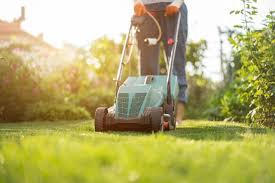
A lush, green lawn is the pride of any homeowner—but when your grass starts to look patchy, yellow, or thin, it can be frustrating and confusing. Whether you’re dealing with bare spots, weeds, or slow growth, there are several practical steps you can take to revive your lawn and restore its health. Understanding the root causes of lawn stress and applying the right solutions can make all the difference.
If your grass continues to struggle despite your best efforts, it might be time to consider alternative solutions. One option is to explore high-quality artificial grass, which can provide a lush, green appearance without the maintenance challenges of natural grass. Companies like ForeverLawn Northern Ohio offer innovative synthetic turf options that mimic the look and feel of real grass, ensuring a beautiful lawn year-round. This can be particularly beneficial in areas with harsh weather conditions or for homeowners looking to reduce water usage and maintenance time. By choosing a reliable provider, you can enjoy a vibrant, hassle-free lawn that enhances your outdoor space.
Diagnose the Problem First
Before you start applying treatments or changing your lawn care routine, it’s important to identify what’s actually causing the problem. Common issues include:
- Compacted soil: Prevents roots from accessing air and nutrients.
- Poor drainage: Leads to root rot and fungal diseases.
- Lack of nutrients: Causes yellowing and weak growth.
- Pest infestations: Grubs and insects can damage roots and blades.
- Improper mowing: Cutting too short or with dull blades stresses the grass.
- Too much or too little water: Both can lead to unhealthy turf.
Walk your lawn and look for patterns. Are the problem areas in full sun or shade? Do they appear after heavy rain or during dry spells? This detective work will help you choose the right solution.
Improve Soil Health
Healthy grass starts with healthy soil. If your lawn is struggling, a soil test is a smart first step. These tests measure pH levels and nutrient content, helping you understand what your lawn is missing.
- Adjust pH: Most grasses prefer a pH between 6.0 and 7.0. Lime can raise pH, while sulfur can lower it.
- Aerate compacted soil: Core aeration allows water, air, and nutrients to reach the roots.
- Topdress with compost: Adding a thin layer of organic matter improves soil structure and microbial activity.
Improving soil health creates a strong foundation for your lawn to thrive, especially when combined with proper watering and fertilization.
Rethink Your Watering Routine
Watering is one of the most misunderstood aspects of lawn care. Many homeowners water too frequently and too shallowly, which encourages weak, shallow roots. Instead, aim for deep and infrequent watering—about 1 to 1.5 inches per week, including rainfall. Water early in the morning to reduce evaporation and prevent fungal growth. If your lawn is sloped or has clay soil, water in shorter cycles to allow absorption and avoid runoff.
Feed Your Lawn the Right Way
Fertilizing your lawn gives it the nutrients it needs to grow thick and green. But not all fertilizers are created equal, and timing matters.
- Use slow-release fertilizers: These provide steady nutrition over time.
- Apply based on the season: Cool-season grasses benefit from fall and spring feedings, while warm-season grasses thrive with summer applications.
- Avoid over-fertilizing: Too much nitrogen can burn your lawn and encourage disease.
If you’re unsure what your lawn needs, professional lawn treatment services can assess your grass type, soil condition, and climate to create a customized fertilization plan that promotes long-term health.
Address Weeds, Pests, and Disease
Weeds, insects, and fungal diseases can quickly take over a struggling lawn. The key is to act early and choose the right treatment.
- Weeds: Use pre-emergent herbicides in early spring to prevent weed seeds from germinating. Spot-treat existing weeds with selective herbicides that won’t harm your grass.
- Pests: Look for signs like brown patches that lift easily (a sign of grubs) or chewed blades. Insecticides or natural predators can help control infestations.
- Diseases: Fungal issues often appear as discolored rings or patches. Improve air circulation, reduce watering, and apply fungicides if needed.
A healthy lawn is naturally more resistant to these problems, so prevention through proper care is always the best strategy.
Conclusion
If your grass is struggling, don’t give up—there are plenty of ways to bring it back to life. Start by identifying the root cause, then take targeted action to improve soil health, watering habits, and nutrient levels. Address pests and weeds promptly and consider professional help if the problem persists. With the right approach, your lawn can recover and become the vibrant, green space you’ve always wanted.
READ MORE : Debt Collection Services for Small Businesses: How to Stay Cash-Flow Positive
