
Modern life can be loud in ways you don’t always notice—until you finally step out of it. The phone is down. The door is closed. Your shoulders soften without being asked.
Now imagine it: a warm glow, timber around you, breath slowing into something steadier. You don’t need another performance routine. You need a place to unwind, restore, and reset—quietly.
When people compare infrared and traditional saunas, the conversation usually goes straight to numbers: temperature ranges, heater wattage, warm-up times. Useful, sure. But the real question is simpler: how will it feel in your body, and what kind of ritual do you want to come back to?
And if your version of restoration leans more toward a long, quiet soak than a high-heat session, that’s part of the same story—creating a sanctuary that suits you. Have a look at Shym Saunas Hot Tubs as another way to bring warmth and stillness into your space.
Key takeaways (the quick clarity)
- Infrared feels gentler and more focused—a deep, steady warmth that can feel like it’s “soaking in” rather than surrounding you.
- Traditional feels immersive and classic—hot air, radiant heat, and (if you choose) steam that wraps around you.
- If you love slow, quiet sessions without the intensity of high heat, infrared often suits.
- If you crave the full-body “sauna atmosphere”—heat, scent, steam, and that timeless contrast—traditional delivers.
- The best choice is the one you’ll actually use: easy to enter, easy to love, built for real life.
First, let’s talk about “heat” like a human being

Heat isn’t one sensation—it’s a whole experience. There’s the temperature on your skin, the way your breathing changes, the scent of timber, the feeling of stillness settling in.
Infrared and traditional saunas both invite you into that calm. They just do it through different kinds of warmth—and that difference shapes everything from how you sit to how long you stay.
Infrared: warmth that meets you where you are
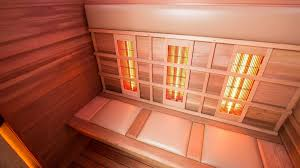
Infrared sessions often feel calm, steady, and personal. Infrared heaters use radiant energy to warm your body and the surfaces around you first—then the air warms gradually as a result. The room can feel comfortably warm rather than intensely hot, yet your body still feels that deep, gradual build.
What you might notice:
- A gentler start—you ease in without that immediate “whoa” moment.
- Heat that feels more targeted (especially across your back, legs, or wherever the warmth is directed).
- A session that invites stillness—you can breathe easily, read, or simply sit in the glow.
- You often step out feeling restored, like your nervous system has unclenched.
Infrared can be especially appealing if you’re heat-sensitive, or if your idea of wellbeing is less “endure” and more “slip into.”
Traditional: the classic, enveloping sauna embrace
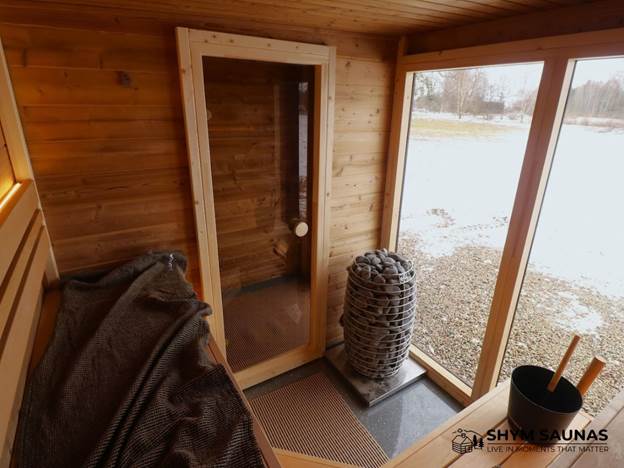
Traditional sauna heat is the one many of us picture: hot air filling the space, warmth rising, timber warming under your fingertips. It’s more atmospheric—more of a “whole room” sensation.
What you might notice:
- A bold arrival—the heat announces itself quickly.
- A feeling of being surrounded rather than warmed from a single direction.
- The option of steam—löyly, the burst of steam (and the feeling it creates) when water meets hot stones—softening the air and making the heat feel more enveloping.
- A powerful contrast when you step out—cool air on warm skin, a full-body exhale.
Traditional sauna is sensory. It’s ritual. It’s the familiar rhythm of heat, then calm—quiet, then connection.
read more : 5 Ways Real-Time Data Visualization Improves Decision Making
How a session tends to unfold (so you can picture your ritual)
If you choose infrared
You step in and settle. The warmth builds like a slow sunrise. Your breathing stays easy. Some people find they stay a little longer in infrared because the air temperature is usually lower—more “melt” than “blast.”
It’s often a favourite for:
- end-of-day unwinding
- gentle recovery
- quiet solo time
If you choose traditional
You step in and feel it immediately. The air holds you. Your posture changes. You become present, fast. If you add steam, the whole space transforms—softening the heat, deepening the atmosphere.
It’s often a favourite for:
- that classic sauna “reset”
- a shared ritual (partner, family, friends)
- the full sensory experience
Neither is “better.” They’re just different kinds of sanctuary.
What to consider before you decide
This is where the practical meets the personal.
1) Your heat personality
Do you love intensity—or do you prefer gentle consistency?
- If you want calm warmth you can settle into, infrared often feels more approachable.
- If you want the immersive, traditional sauna feeling, choose traditional.
2) Your breathing comfort
Some people find very hot air makes breathing feel heavier. Others love it, especially with steam. Think about what helps you relax: crisp and dry, or warm and enveloping?
3) Your space and setup
Where will this live—in a backyard, on a patio, beside the pool, near the garden gate you walk past every day? The more naturally it fits your routine, the more often you’ll use it.
A quiet note here: Shym Saunas are designed to make ownership feel simple—craftsmanship you can see, with practical details you’ll appreciate over time.
For example, the Patio Series is positioned as a compact outdoor option for patios and smaller spaces. Depending on the model, you’ll see considered touches like larger windows, outdoor-ready design, and a layout that makes it easy to slip into your routine.
4) Your “who”
Is this for solo resets, or something you’ll share?
We believe the best wellness choices are the ones that bring you back to yourself—and each other. Shym Saunas’ founders, Artem & Elena, built the brand around that idea: warmth as a way to reconnect, not just optimise.
Buyer’s checklist: choose the sauna you’ll actually use
Use this as a simple, skimmable guide before you buy.
Step 1 — Name the feeling you want
- ☐ “Gentle, steady warmth I can sink into” → lean infrared
- ☐ “Immersive heat and classic sauna atmosphere” → lean traditional
Step 2 — Picture your most realistic routine
- ☐ 20–30 minutes after work, low friction, quiet reset
- ☐ Shorter, hotter sessions with a strong contrast when you step out
Step 3 — Consider your comfort cues
- ☐ I prefer easier breathing in a warmer (not scorching) room
- ☐ I love that bold heat and the option of steam
Step 4 — Make it fit your home
- ☐ I want it to sit beautifully where I’ll see it often
- ☐ I want an “easy to own” setup—clear instructions, reliable support
Step 5 — Choose craftsmanship you’ll trust
- ☐ Materials and build feel quietly premium
- ☐ Warranty and support feel reassuring, not complicated
A gentle safety note (because feeling good includes being sensible)
Sauna should feel supportive—not punishing. Start shorter than you think you need, hydrate before and after, and cool down slowly. If you’re pregnant, have cardiovascular concerns, or manage a medical condition, it’s worth checking in with a healthcare professional before making sauna part of your routine.
The quiet conclusion
Infrared and traditional saunas both offer a way out of the noise. One meets you with a steady, inward warmth. The other surrounds you with the timeless atmosphere of heat and timber—and, if you choose, steam.
The best choice is the one that becomes your ritual. The one you’ll step into on ordinary evenings, not just “good weeks.” The one that turns a backyard or patio into a sanctuary.
Heat, then calm. Quiet, then connection.
And always: Live in the moments that matter.
Ready to create your own sanctuary?
