
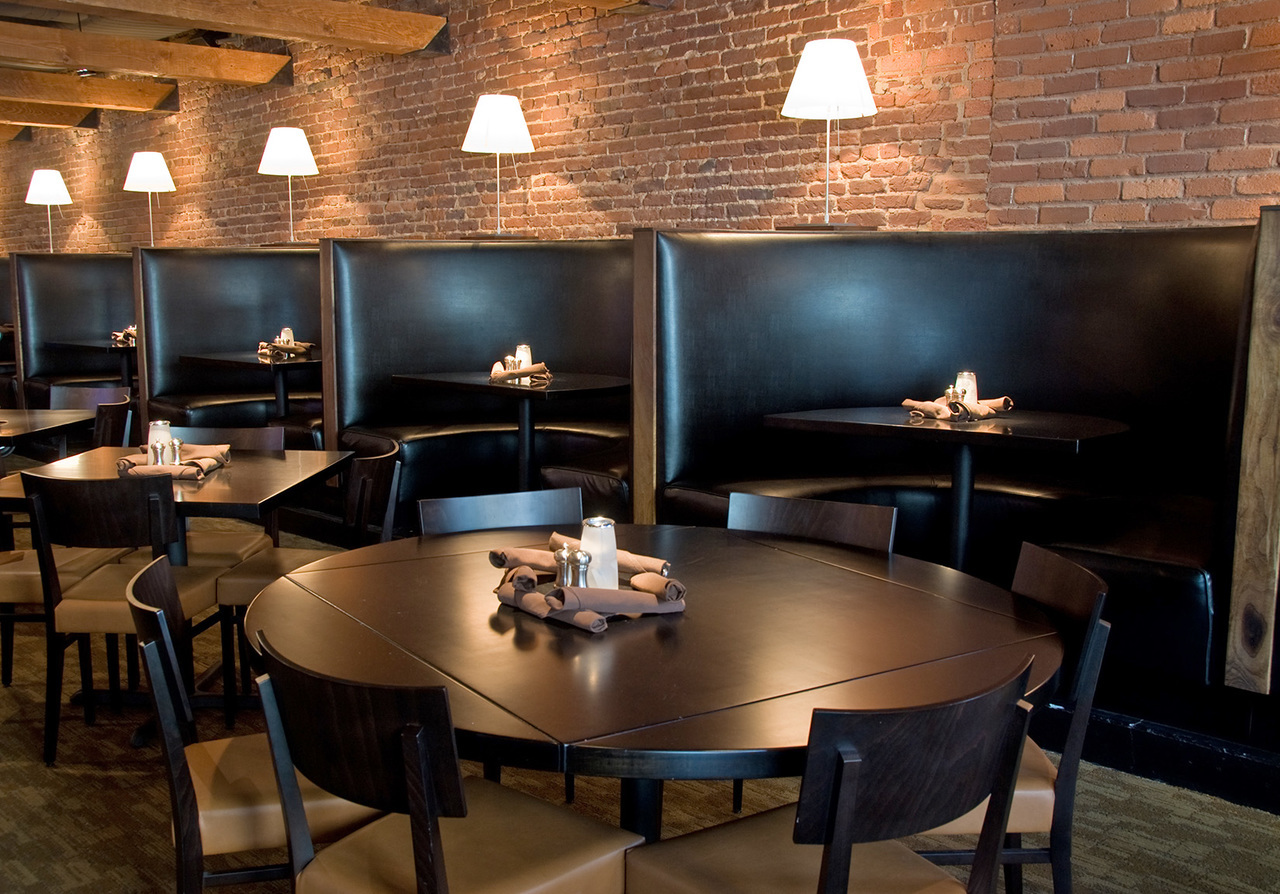
You can often tell how long people will remain at a packed restaurant on a Friday night before they even sit down. Some people sit down at a booth, relax, and talk, especially when restaurant booths create a sense of comfort and privacy. Some people sit at the bar, order quickly, and move through the experience at a different speed. These choices aren’t random. They show how seating influences behavior and, ultimately, how it affects customer retention.
Retention is one of the most crucial things to measure in hospitality these days. According to industry data, returning customers can account for up to 65% of a restaurant’s revenue, while the cost of acquiring new customers continues to rise. In that situation, choosing where to sit is no longer solely a design choice. It becomes a strategic instrument that affects how guests feel, how long they stay, and whether they return.
How Booth Seating Encourages Longer Visits
Booths have always been associated with comfort, but their impact goes deeper than simple cushioning. They create a sense of space within a shared environment, which changes how guests interact with the restaurant.
When customers sit in booths, they tend to feel more settled. The structure itself creates a subtle boundary that reduces distractions. Conversations become easier, meals feel less rushed, and guests are more likely to extend their visit. This often translates into higher ticket sizes and stronger emotional connections to the space.
From a behavioral standpoint, booths support retention in several ways:
- They create a sense of privacy, which encourages repeat visits for social occasions
- They reduce perceived noise levels, even in busy dining rooms
- They support longer dining durations, which can increase overall spend
There is also a psychological factor at play. Guests often associate booths with familiarity and comfort, especially in family dining or casual upscale settings. When people know they can return to a space that feels predictable and welcoming, they are more likely to choose it again.
Restaurants that rely on repeat business, such as neighborhood establishments or date night destinations, often see strong retention benefits from booth-heavy layouts. The seating itself becomes part of the brand identity.
Why Bar Seating Drives Frequency and Turnover
The rhythm of bar seating is radically different. It is made to be efficient, interactive, and full of energy. Booths make people want to stay, but bar seating makes them want to move, both physically and mentally.
People who sit at the bar tend to make judgments faster. They order faster, talk to staff more, and come back more often, even if each visit is shorter. This creates a distinct form of retention, one based on habit rather than time.
Bar seating is now a must-have for repeat customers in many city marketplaces. People come by for a quick drink, a little food, or a casual meeting. These shorter visits can happen many times a week, slowly building a steady income.
Bar seating supports retention through a different set of advantages:
- It increases customer touchpoints by encouraging frequent visits
- It creates social interaction with bartenders and other guests
- It allows solo diners to feel comfortable without needing a full table
There is also a visibility factor. Bar areas are often the most dynamic part of a restaurant. When well designed, they attract passersby’s attention and create a sense of activity that draws people in. That energy can turn first-time visitors into regulars.
However, bar seating does have limitations. Guests are less likely to stay for extended periods, and the experience can feel less personal for those seeking privacy. This makes it more effective for frequency-driven retention than for deep, long-term emotional loyalty.
Comparing Retention Patterns Between Booths and Bar Seating
The real question is not which option is better in isolation, but how each one contributes to different types of retention. Booths and bar seating serve different customer behaviors, and understanding that distinction is key.
Booths tend to excel in creating memorable experiences. Guests who sit in booths are more likely to associate the restaurant with comfort, conversation, and special occasions. This leads to fewer visits overall, but stronger loyalty when they do return.
Bar seating, on the other hand, builds routine. Guests may not stay as long, but they come back more often. This creates a steady flow of repeat traffic, which is critical for maintaining consistent revenue.
From a performance perspective, many successful restaurants balance both. Industry observations suggest that venues with mixed seating layouts often see higher overall retention because they cater to multiple customer needs at once.
A closer comparison highlights the differences:
- Booth seating supports longer stays and higher average checks
- Bar seating supports higher visit frequency and faster turnover
- Booths build emotional connection, bar seating builds habit
The most effective operators recognize that retention is not a single metric. It is a combination of frequency, duration, and emotional engagement.
Designing for Retention, Not Just Aesthetics
Too often, seating decisions are driven by visual appeal alone. While design matters, retention-driven layouts focus on how guests actually use the space.
Restaurants that prioritize retention think about seating in terms of flow and flexibility. Booths are placed in areas where guests can settle in comfortably, while bar seating is positioned to capture energy and movement. The goal is to guide behavior without making it feel forced.
Another key factor is adaptability. As dining habits continue to shift, especially with the rise of solo dining and remote work culture, seating needs to accommodate a wider range of use cases. A guest who visits for a quick drink today might return for a longer meal tomorrow, depending on how the space supports both experiences.
Data from hospitality studies shows that restaurants offering varied seating options often see higher customer satisfaction scores. This is because guests feel they have control over their experience, which increases the likelihood of return visits.
The Retention Sweet Spot
It’s not about picking one over the other when it comes to booths versus bar seats. It’s about knowing how each part fits into a bigger plan for keeping customers.
Booths add depth. They make people want to stay longer, spend more money, and feel connected to the restaurant. Bar seating makes a rhythm. It keeps the room busy, invites guests back more often, and helps maintain steady traffic.
The best restaurants find a way to balance the two. They create environments where attendees can adjust their experience based on their mood, the event, or how much time they have. By doing this, companies get both kinds of retention: long-term loyalty and frequent visits.
That balance is not only a design choice in an industry where every returning client counts. It is a business advantage that affects how a restaurant grows, changes, and stays relevant over time.
