
Key Takeaways
- Identify the most common household pests and recognize their behaviors to target intervention.
- Adopt preventive strategies such as sealing entry points, maintaining cleanliness, and managing moisture.
- Prioritize natural and mechanical solutions before using chemical treatments.
- Safely use pesticides and consult professionals when necessary to manage persistent infestations.
Household pests are a daily concern for many homeowners, and finding effective ways to address them is critical to maintaining a safe, healthy living environment. By understanding pest behaviors and taking proactive measures, you can reduce infestations while protecting your home’s occupants. When basic strategies are not enough, professional support, such as Diamond Pest Control Services, can be invaluable for resolving tough or persistent pest issues. Selecting safe methods and products not only protects your family and pets but also benefits the environment.
Many common household pests are attracted to food, water, or shelter, making homes a prime target. Integrated pest management involves a combination of prevention, natural solutions, and wise use of chemical treatments where needed. These methods are proven to be effective and safe when applied properly and can help homeowners maintain a pest-free environment with minimal disruption or risk.
Identifying Common Household Pests
Awareness is the first step in any successful pest management plan. The most common household pests include ants, cockroaches, rodents, and spiders. Each pest type has unique habits and preferred environments—for instance, ants are commonly found in kitchens where food is readily available. At the same time, rodents seek shelter in attics or basements and are drawn to any available food.
- Ants: Typically invade kitchens and food storage areas. Their colonies can quickly multiply if left unchecked.
- Cockroaches: Thrive in dark, warm, and humid areas. Known to spread germs and trigger allergies.
- Rodents: Mice and rats can gnaw on structures, contaminate food supplies, and harbor diseases.
- Spiders: While many pose little risk, some species can deliver harmful bites and should be handled with caution.
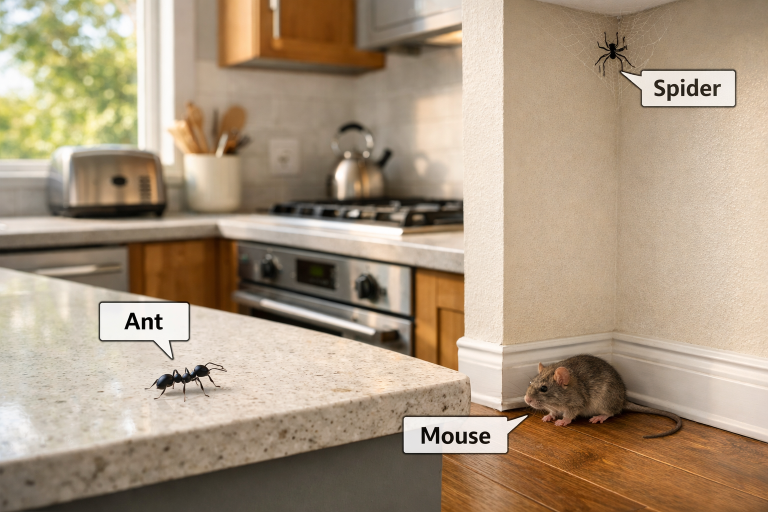
Understanding pest preferences and life cycles to create safe, targeted action plans for elimination and prevention. You can learn more about pest identification and their impact from trusted resources such as the U.S. Environmental Protection Agency’s guide on safe pest control.
Preventive Measures to Deter Infestations
Proactive home maintenance is key in keeping pests at bay. Start by sealing any visible cracks, holes, or gaps around doors, windows, and the foundation. Even small openings can be inviting to pests searching for shelter or food.
Cleanliness is a powerful deterrent. Regularly sweeping floors, cleaning surfaces, properly storing food in sealed containers, and promptly removing garbage can minimize factors that attract pests indoors. Equally important is managing moisture—repairing leaks, using dehumidifiers, and ensuring proper drainage discourages pests that thrive in damp conditions.
Ongoing vigilance is required, as prevention efforts are most successful when integrated into a routine.
Natural and Mechanical Control Methods
When prevention alone does not suffice, natural and mechanical interventions are suitable next steps. Essential oils, such as peppermint or tea tree, can repel insects when applied to entry points or common gathering spots. Similarly, diatomaceous earth powder, sprinkled around baseboards or crevices, acts as an effective barrier against many crawling insects.
Mechanical traps remain a practical choice for rodents and some insects. Snap traps, live traps, and child-resistant insect traps can help reduce pest populations with minimal risk to occupants. These solutions are particularly attractive for families with children or pets because they avoid harmful chemicals. Consumer Reports offers helpful advice on safe, effective pest solutions for home use.
Safe Use of Pesticides
If pests persist, pesticide use may be required. To minimize risks, always choose products registered with the Environmental Protection Agency and intended specifically for indoor home use. Reviewing and adhering to label instructions ensures that the application is both safe and effective. Apply only the recommended amount and always protect children and pets from treated areas until it is safe to re-enter.
Store pesticides in their original containers, away from food and out of reach of children. If you are unsure about product choices or application methods, or if you are dealing with a large or dangerous infestation, consulting a licensed pest control professional is prudent.
When to Seek Professional Help
Some infestations defy simple solutions. If your efforts are unsuccessful, if the pest population is extensive, or if you are facing dangerous species such as venomous spiders or aggressive rodents, it is important to seek out a reliable pest control company. Licensed professionals can offer specialized treatments and advice that are not available over the counter. Their expertise also ensures compliance with safety regulations and minimizes the risk to household members and pets.
Maintaining a Pest-Free Home
Sustaining a pest-free environment requires ongoing effort. Schedule regular home inspections, monitor for early signs of pest activity, and address potential entry points or problem areas quickly. Keeping up with household maintenance tasks serves as an early warning system and helps avoid major infestations in the future.
Creating a pest-resistant home environment not only reduces the likelihood of structural damage and health threats but also supports overall well-being for all residents.
Conclusion
Effective household pest control begins with awareness, prevention, and the careful use of natural and chemical solutions. By prioritizing safety and knowing when to enlist professional help, homeowners can create an environment that is both safe and comfortable. Implementing these safe and effective solutions ensures protection against pests while nurturing a healthy, pleasant living space for everyone.
