
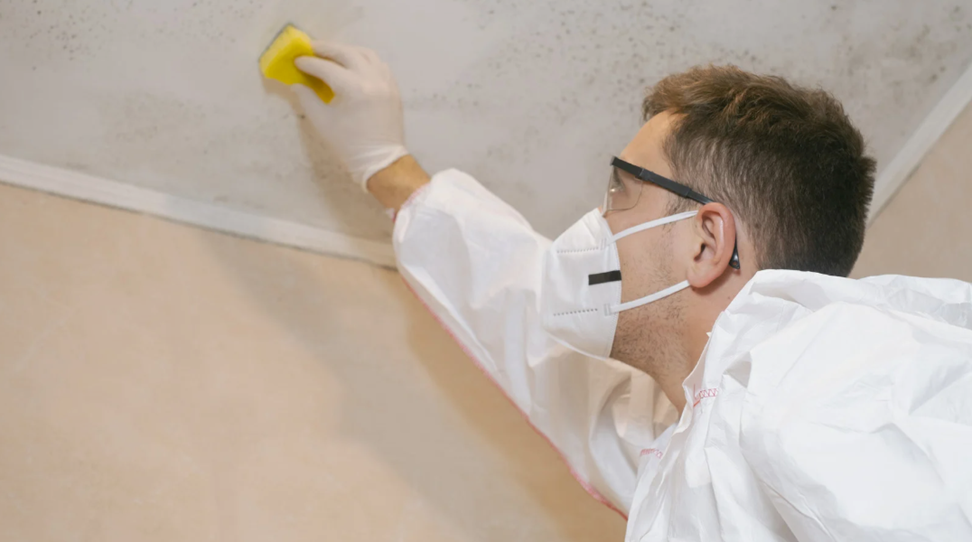
Sinus infections, nasal congestion, and unexplained respiratory irritation are often attributed to allergies or seasonal triggers. However, indoor mold exposure is a frequently overlooked contributor. Mold spores, especially in high concentrations, can inflame sinus passages and worsen chronic sinus conditions over time. For residents dealing with persistent symptoms, seeking professional mold remediation in Decatur may provide more than just structural benefits, it could improve long-term health and respiratory comfort.
How Mold Affects the Respiratory System
Mold spores are microscopic particles that become airborne and easily enter the respiratory tract. Inhaling these spores on a regular basis can irritate nasal tissues, leading to symptoms such as sneezing, sinus pressure, congestion, and even recurring sinus infections.
This is especially problematic for individuals with asthma or allergic rhinitis, as mold acts as a trigger that can prolong or intensify symptoms. Basements, attics, crawlspaces, and improperly ventilated bathrooms are common breeding grounds for mold, allowing spores to circulate through HVAC systems and reach every corner of the home.
Why Professional Remediation Makes the Difference
Treating sinus issues with medication may offer temporary relief, but if the underlying cause, indoor mold, is left unaddressed, the cycle continues. This is where professional intervention becomes essential. Trained technicians do more than clean mold from surfaces; they locate the moisture source, remove contaminated materials, and restore air quality.
The benefits of hiring a certified mold remediation specialist extend beyond surface-level cleaning. Certified professionals follow strict containment and removal procedures, ensuring spores don’t spread during treatment. They also understand the critical role of proper filtration and humidity control, both of which are essential to preventing recurrence.
Importance of Air Quality and Prevention
Once mold is removed, indoor air quality often improves significantly. With airborne spores eliminated and moisture under control, sinus inflammation triggered by mold typically begins to subside. Many homeowners report a noticeable difference in their respiratory symptoms after successful remediation.
However, the success of this outcome depends heavily on the completeness of the job. That’s where post-remediation inspections become vital. These assessments confirm whether the space has been properly cleaned and dried, and they verify that mold spore levels are within safe limits. Without this validation step, lingering spores could restart the cycle of contamination, and the health symptoms that come with it.
When to Consider Mold as a Factor
If you’re experiencing ongoing sinus infections, frequent nasal congestion, or unexplained respiratory symptoms that don’t respond to traditional treatment, your indoor environment may be contributing more than you realize. Mold exposure is often subtle, but its effects on the sinuses can be persistent and severe.
A professional evaluation of your home can help identify problem areas and confirm if mold is present. From there, certified remediation ensures not only that the contamination is removed, but that your living space becomes a healthier environment overall.
Conclusion
Chronic sinus issues may not always stem from seasonal allergies or infections, indoor mold can be a hidden cause. Comprehensive remediation, performed by certified professionals and followed by post-remediation testing, offers more than structural protection. It creates a healthier living space that supports respiratory wellness and long-term relief.
