
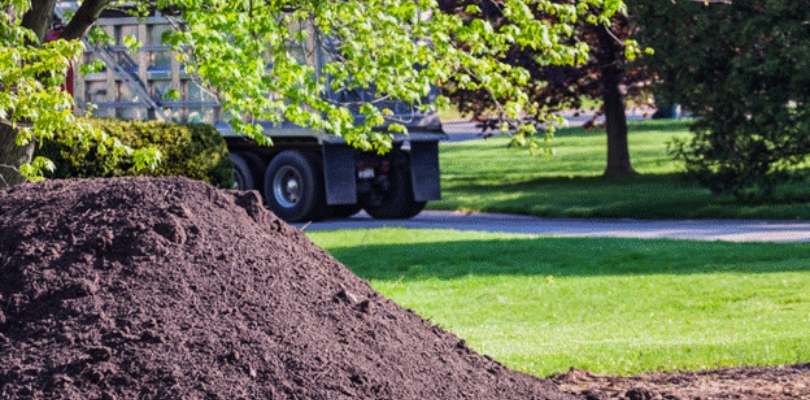
Getting your lawn or garden off to a strong start begins with high-quality soil. Whether you’re laying sod, seeding grass, or prepping flower beds, the foundation you build beneath matters just as much as the plants you choose. That’s why many professionals rely on a trusted topsoil supplier to deliver screened, nutrient-rich soil that supports proper root development and long-term landscape health.
Clear and Grade the Area First
Before you bring in topsoil, remove debris, weeds, and large rocks from the area. Grading ensures proper drainage and prevents water from pooling near plant roots or foundations. A smooth, level base also allows for even soil distribution, minimizing dips or thin patches once the grass or plants are established.
Grading may involve minor reshaping to redirect water flow, especially in larger yards or sloped areas. Doing this up front creates a more uniform final surface and sets the stage for effective topsoil application.
Calculate the Right Amount of Soil
Applying the right depth of topsoil is essential to healthy root systems. Most lawns and garden beds need anywhere from 3 to 6 inches of coverage, depending on the condition of the native soil underneath. To avoid under- or overestimating, professionals often reference guidelines on how much topsoil is needed for a healthy landscape project, factoring in square footage and soil composition. Getting this step right ensures even growth, better drainage, and fewer correction tasks later.
Spread Evenly and Don’t Compact
Once the topsoil is delivered, spread it evenly across the prepared area using shovels, rakes, or a wheelbarrow. Avoid walking directly on the new soil to prevent compaction, which limits water absorption and root penetration.
Level the soil with a landscape rake or screed board, working in multiple directions to catch any low spots. In large spaces, professionals may use grading tools or small machinery for efficiency, but even in smaller areas, consistent attention to depth ensures even plant growth and smooth turf installation.
read more : How Luxury Home Builders Add Value Through Custom Features
Source Matters for Soil Quality
Not all topsoil is created equal. Poorly screened or low-quality mixes can contain weed seeds, debris, or insufficient organic content. That’s why professionals tend to work with regional providers known for consistency, such as those ranked among the top landscape supply stores in Cumming, to avoid surprises and ensure reliable results.
Reputable suppliers often provide a blend of loam, sand, and compost, ideal for lawns and planting beds. Quality topsoil should be dark, crumbly, and free of clumps or contaminants.
Conclusion
Spreading topsoil may seem simple, but doing it right lays the groundwork for lasting landscape success. From calculating the correct amount to using screened, high-quality material, attention to detail ensures your lawn or garden bed will thrive. The right topsoil, evenly applied and well-prepared, makes all the difference in how your plants grow and how your landscape performs for seasons to come.
When combined with proper grading and material selection, a thoughtful topsoil application supports deep root development, improved water retention, and fewer maintenance issues in the future. Whether you’re starting fresh or revitalizing existing space, investing in the soil beneath the surface sets the tone for a healthy, resilient, and attractive outdoor environment. It’s not just about planting, it’s about creating a foundation that lasts.
