
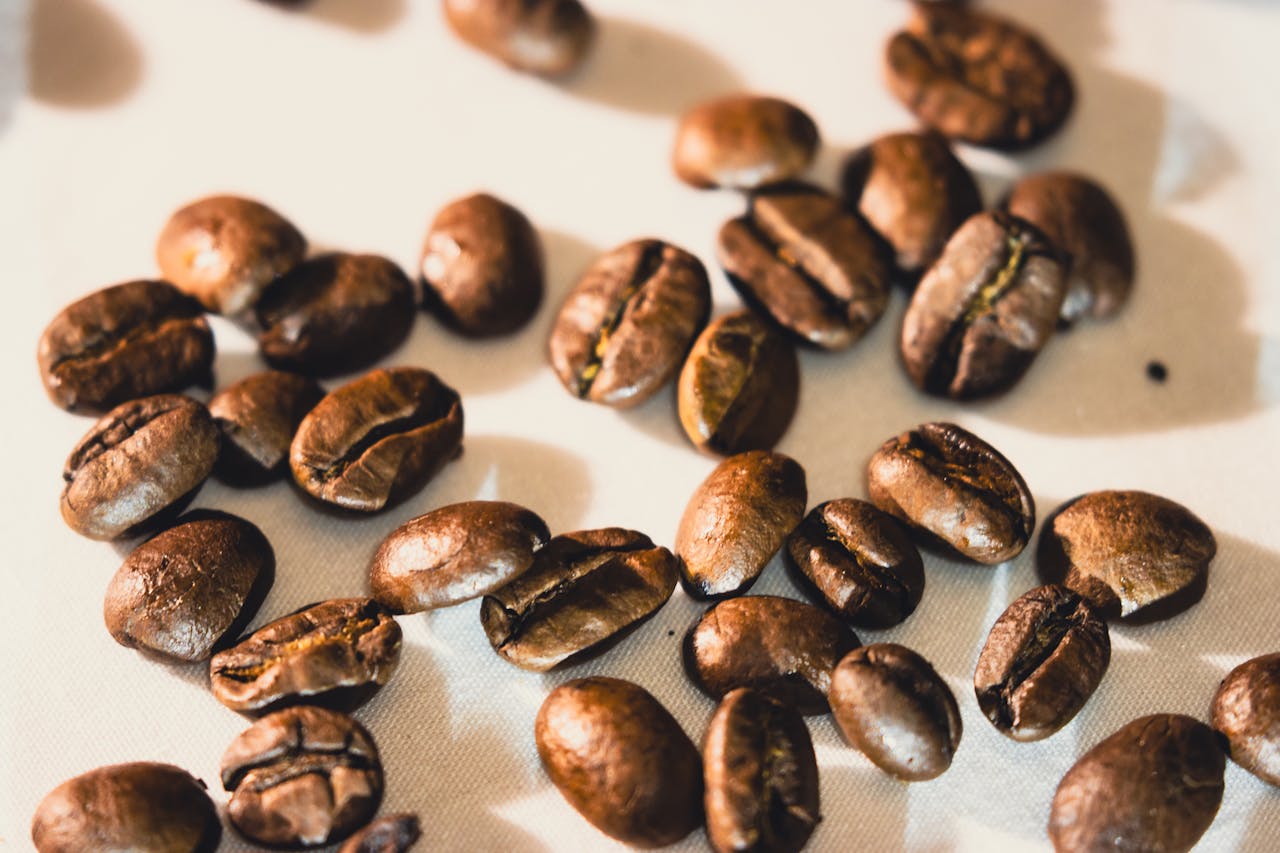
The coffee industry has undergone a remarkable transformation over the past few decades, and specialty coffee has emerged as something truly distinct from what you’ll find in typical commercial offerings. Sure, both types start from the same plant species, but that’s where the similarities end. The differences between specialty and commercial beans run deep, touching everything from how they’re grown to how they end up in your cup. Understanding these distinctions opens up a whole new appreciation for the craftsmanship and dedication behind specialty coffee.
Quality Grading and Selection Standards
Here’s where things get really interesting: the grading system for specialty coffee is incredibly rigorous. To even qualify as specialty, coffee beans need to score 80 points or higher on a 100-point scale. Certified Q Graders, think of them as coffee sommeliers, carefully evaluate factors like aroma, flavor, aftertaste, acidity, body, and balance. These beans can’t have any primary defects, and they’re allowed no more than five secondary defects in a 350-gram sample.
Cultivation and Growing Conditions
Specialty coffee doesn’t just grow anywhere, it demands optimal conditions that commercial operations rarely replicate at scale. These premium beans typically thrive at higher elevations, usually somewhere between 3, 000 and 6, 000 feet above sea level. Why does this matter? Cooler temperatures at those altitudes slow down the cherry maturation process, giving more complex sugars time to develop. The plants get careful attention when it comes to shade coverage, soil composition, and biodiversity.
Processing Methods and Attention to Detail
The processing stage reveals another world of difference between specialty and commercial coffee. Specialty producers employ meticulous methods to preserve and enhance bean quality at every turn. These processors carefully control every variable during washing, natural, or honey processing, monitoring fermentation times, water quality, and drying conditions to achieve specific flavor profiles. It’s not uncommon for specialty farms to experiment with innovative processing techniques like extended fermentation or carbonic maceration, creating unique taste experiences you simply can’t find elsewhere.
Roasting Philosophy and Approach
Specialty coffee roasters approach their craft as both art and science, carefully developing roast profiles that highlight each bean’s unique characteristics rather than masking them under heavy roasting. These artisan roasters typically work in small batches, constantly adjusting time, temperature, and airflow to optimize flavor expression while steering clear of burnt or bitter notes. When sourcing their beans, professionals who need to ensure exceptional cup quality often work with reputable green coffee bean suppliers that provide detailed information about origin, processing, and grading. The goal in specialty coffee roasting is hitting that sweet spot where origin characteristics shine through, whether that means emphasizing the fruity notes in Ethiopian beans or bringing out the chocolatey undertones in Colombian varieties.
Commercial roasters operate at industrial scales and have different priorities entirely: consistency and shelf stability trump flavor nuance every time. They frequently employ darker roasts that homogenize taste profiles across different bean origins, making it easier to blend lower-quality beans while maintaining predictable outcomes. The high-volume commercial roasting process often sacrifices those subtle complexities that specialty coffee enthusiasts genuinely cherish, focusing instead on producing a uniform product that appeals to mass-market preferences.
Traceability and Supply Chain Transparency
The specialty coffee industry has championed transparency and traceability throughout the entire supply chain, creating connections between consumers and the actual farmers and regions producing their beans. Specialty roasters typically purchase beans through direct trade relationships or transparent importers, often knowing the specific farm, processing method, and exact harvest date for each lot. This level of traceability allows coffee professionals to understand precisely how farming practices, terroir, and processing decisions influence what ends up in your cup. Many specialty coffee bags provide detailed information about altitude, varietal, processing method, and tasting notes, empowering consumers to make genuinely informed purchasing decisions.
Economic Impact and Fair Compensation
Specialty coffee creates more equitable economic models that benefit farmers and their communities in ways commercial coffee systems simply can’t match. Farmers producing specialty-grade beans receive premium prices that genuinely reflect the quality and care they’ve invested in cultivation, often earning two to three times more than commercial coffee prices. These higher earnings enable specialty farmers to invest in better agricultural practices, improved processing infrastructure, and sustainable farming methods that protect their land for future generations. The specialty market rewards quality over quantity, incentivizing farmers to focus on excellence rather than maximizing yield through chemical inputs and intensive farming that degrades their soil.
Conclusion
The distinctions between specialty and commercial coffee touch every aspect of the coffee journey, from the careful cultivation of premium beans to the artisan roasting that brings out their unique characteristics. Specialty coffee represents a genuine commitment to quality, sustainability, and transparency that commercial production can’t match while operating at industrial scales and commodity prices. Understanding these differences empowers consumers to make choices that align with their values, whether they prioritize exceptional flavor experiences, environmental sustainability, or fair compensation for the farmers who make it all possible. As the specialty coffee movement continues growing and evolving, it’s reshaping consumer expectations and demonstrating something important: coffee can be far more than a simple caffeinated beverage.
