
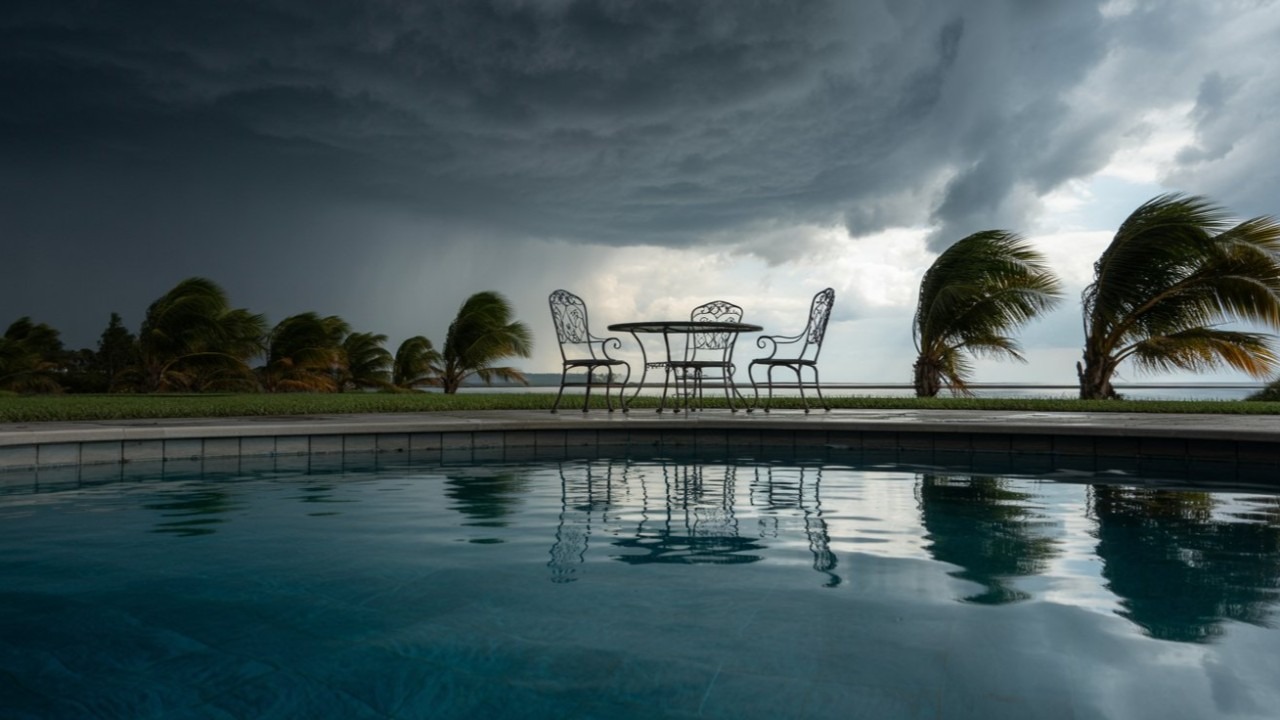
Heavy rainfall can turn a backyard oasis into a maintenance nightmare overnight. When you wake up to find your swimming pool water level creeping over the coping or flooding your deck, it is natural to feel a sense of urgency. An overflowing pool is not just a cosmetic issue; it presents real risks to your pool equipment, water chemistry, and even the structural integrity of the surrounding area.
Rainwater is rarely pure. It brings contaminants, alters chemical balance, and adds significant volume to your vessel. Managing this excess water requires a systematic approach to restore order and safety. This guide provides a detailed walkthrough of exactly what steps you need to take when your pool is overflowing from rain, ensuring your swimming environment remains safe and clean.
Assess the Severity of the Situation
Before you start dragging out hoses or turning valves, take a moment to evaluate the extent of the overflow. If the water is simply lapping at the rim, the situation is manageable. However, if the water has breached the perimeter and is pooling around the equipment pad or nearing your home foundation, immediate action is required to divert water away from critical structures.
Check your pool equipment area first. If the pump and motor are submerged, do not attempt to operate them. Electricity and standing water are a dangerous combination. Turn off the power to your pool equipment at the main breaker panel immediately. If the equipment pad is dry, you can proceed with the mechanical methods of lowering the water level.
Lowering the Water Level Safely
The first practical step is to reduce the volume of water in the pool. The goal is to bring the water level back to the midpoint of the skimmer opening. This allows the filtration system to function correctly and skimming action to resume.
If you have a sand or DE filter, the most efficient method is to use the multiport valve. Switch the pump off, turn the valve handle to the “Waste” or “Drain” setting, and then turn the pump back on. This bypasses the filter media and pumps water directly out of the backwash line. Keep a close eye on the water level; it can drop faster than you anticipate. Once the level is appropriate, switch the pump off, return the valve to “Filter,” and turn the system back on.
For cartridge filters, there is typically no waste line option. In this scenario, you will need to open the drain spigot located near the bottom of the filter pump or use a dedicated spigot installed on the return plumbing line. If these are not available or are too slow, a submersible utility pump or a simple garden hose siphon can effectively remove the excess water.
Cleaning Debris and Sediment
Rainstorms are notorious for depositing organic matter into the water. Leaves, twigs, insects, and mulch often wash into the pool during a deluge. This debris creates a high demand on your sanitizer and can stain the pool surface if left unattended.
Start by removing the floating debris. A high-quality pool skimmer is essential here. Walk the perimeter and scoop out as much organic material as possible before it has a chance to sink. This reduces the workload on your filtration system and prevents the skimmer basket from becoming clogged immediately.
Once the surface is clear, turn your attention to the pool floor. Heavier sediment and dirt often settle at the bottom after a storm. While manual vacuuming works, it can be labor-intensive. Using a cordless pool vacuum can significantly speed up this process. These devices operate independently of your pool’s filtration system, which is particularly helpful if your filter is already struggling with fine particulate matter. Vacuuming the floor thoroughly ensures that decaying organic matter does not compromise your water chemistry later.
Rebalancing the Water Chemistry
Rainwater affects pool chemistry in two primary ways: dilution and contamination. Rain is acidic in nature, often having a pH lower than the ideal 7.4 to 7.6 range required for swimming pools. Additionally, the sheer volume of new water dilutes the existing chemicals, dropping your chlorine, salt, or stabilizer levels.
Test your water immediately after lowering the level and cleaning the debris. The first parameter to check is the pH. If it has dropped significantly, you will need to add a pH increaser (sodium carbonate) to prevent the water from becoming corrosive. Corrosive water can damage heaters, pumps, and ladders.
Next, check the Total Alkalinity. Rain can lower alkalinity, making the pH unstable. If the alkalinity is low, add an alkalinity increaser (sodium bicarbonate) to act as a buffer for the pH.
Finally, test sanitizer levels. The introduction of rainwater and organic debris introduces algae spores and bacteria. Your free chlorine level will likely be depleted. It is often necessary to shock the pool to handle the increased contaminant load. Adding a chlorine shock helps oxidize the organic waste and restores a sanitary environment. If you use a salt system, verify the salinity levels, but do not add salt immediately; wait until the water has circulated for 24 hours, as the rain may simply be sitting on top of the heavier treated water.
Inspecting Equipment and Circulation
After the water level is corrected and the chemistry is addressed, perform a thorough inspection of your filtration system. Heavy rain can put immense strain on the pump basket and the filter itself.
Check the pump basket for debris that may have bypassed the skimmer. A clogged basket restricts water flow and can cause the pump to overheat. Next, check the filter pressure gauge. If the pressure is 8 to 10 PSI above your clean starting pressure, the filter needs to be cleaned or backwashed. The storm debris you vacuumed up is now trapped in the filter, and removing it is crucial for proper circulation.
Ensure that the skimmer weir—the small flapping door inside the skimmer throat—is moving freely. Sometimes debris can jam it, preventing proper water flow and surface skimming.
Managing Surroundings and Runoff
Addressing the immediate overflow is only half the battle. You must also consider where the water came from. If your pool overflowed because of runoff from the yard or flower beds, that water likely brought nitrates and phosphates with it. These are primary food sources for algae.
If you suspect landscape runoff entered the pool, consider using a phosphate remover product a few days after the storm. This acts as an insurance policy against future algae blooms.
Inspect the deck drains and area drains around the pool. Ensure they are clear of leaves and mulch so that future rainfall can drain away from the pool rather than into it. Proper landscape drainage is the best defense against contamination from overflow.
Preventing Future Overflow Issues
While you cannot control the weather, you can prepare for it. If a severe storm is forecast, preemptively lower the pool water level by a few inches. This creates a buffer zone to accommodate the incoming rain without risking an overflow. However, never drain the pool completely, as the hydrostatic pressure from the water-saturated ground can cause the pool shell to float or crack.
By following these systematic steps—lowering the water, removing debris with tools like a pool skimmer and cordless pool vacuum, rebalancing chemistry, and inspecting equipment—you can protect your investment and ensure your pool remains a safe place to swim, regardless of the weather.
