

Key Takeaways
- Insurance companies often undervalue injury claims to reduce payouts and protect profits.
- Rising medical costs and economic pressures contribute to lower settlement offers.
- Automated claim systems and adjuster incentives can work against fair compensation.
- Common tactics include quick lowball offers and disputing medical treatments.
- Proper documentation and legal guidance can help claimants challenge unfair settlements.
Introduction
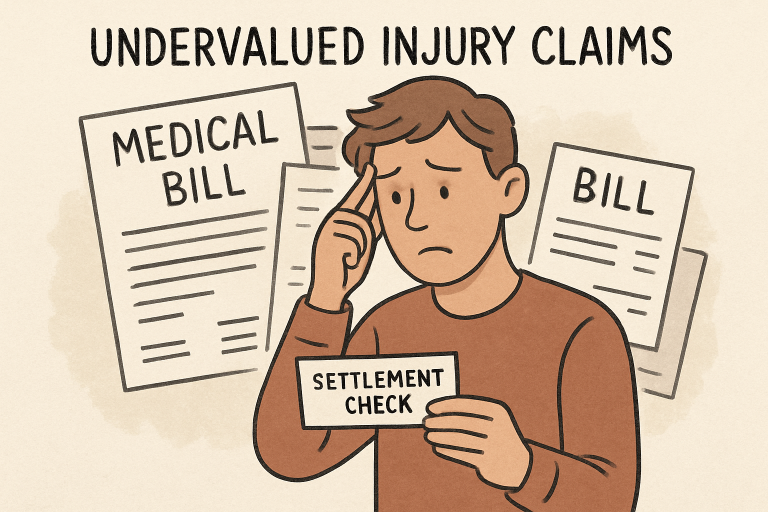
Many individuals in Las Vegas struggle with the consequences of having their legitimate injury claims undervalued by insurance companies. Victims often face mounting medical bills and unpaid wages, only to receive settlement offers that do not truly reflect the extent of their damages. Understanding the factors behind these lowball offers is crucial for anyone dealing with an insurance claim, as proper knowledge can significantly increase the chances of receiving fair compensation. If you’re seeking guidance during this process, blakefriedmanlaw is a valuable resource for navigating claim challenges and advocating for your rights.
What drives this industry-wide undervaluation is a blend of economic factors, technological advancements, and intentional strategies aimed at minimizing payouts. Having an awareness of these influences empowers claimants to avoid common pitfalls and better protect themselves from unfair insurance practices.
Economic Pressures on Insurers
At the heart of insurance claim undervaluation in Las Vegas is the ongoing quest for profitability. Insurers function as for-profit businesses, facing both localized and national financial pressures. Over the past few years, the cost of bodily injury payouts in Nevada has surged, with reports showing a substantial 35% increase since the pandemic began. These rising expenses cause insurers to tighten their claim evaluation processes and, in many situations, offer less-than-adequate settlements to policyholders.
The cumulative effect of inflation, increased healthcare costs, and higher accident rates has put additional pressure on insurers to restrict outgoing payments. This has given rise to more stringent claim review strategies, all designed to minimize company losses, even at the policyholder’s expense. According to a New York Times investigation, insurers nationwide are prioritizing cost containment by automating processes and challenging claims more aggressively.
Technological advancement has transformed how insurers process and settle injury claims. Most major insurance companies in Las Vegas now utilize data-driven computer algorithms to evaluate injury claims, leveraging historical claim data and predictive analytics. While these tools speed up the process, they may create unfair disadvantages for claimants. Algorithms are programmed to recommend settlement ranges that safeguard the company’s bottom line, often at the cost of accurately reflecting the full extent of an individual’s pain, suffering, or ongoing medical needs.
Training and Incentives for Adjusters
The human element of insurance claim evaluations has changed over time as well. Many insurance adjusters are now directly incentivized to keep settlements as low as possible. Their job performance, bonuses, and even continued employment can depend on following company guidelines and rejecting or reducing claims that don’t meet strict criteria. As a result, even legitimate claims may be subjected to unnecessary scrutiny, reduced coverage, or outright denials.
The Impact of Adjuster Incentives
These financial incentives create a misalignment between the interests of the insurance company and those of the claimant. Instead of serving as neutral third-party evaluators, adjusters may become gatekeepers committed to protecting their employer’s finances, often at the cost of delivering just outcomes to those who need help the most.
Common Tactics Used to Undervalue Claims
- Quick Settlement Offers: Insurers often make fast, lowball offers before claimants fully understand the extent of their injuries. Early settlements are often far below what victims are entitled to, preventing them from seeking future compensation if additional symptoms arise.
- Disputing Medical Treatment Necessity: Insurance companies might contest the necessity or cost of certain treatments, arguing that they are unrelated to the accident, excessive, or experimental—even when recommended by treating physicians.
- Surveillance and Social Media Monitoring: Adjusters may monitor claimants through private investigators or by reviewing social media activity, looking for evidence that contradicts the injury claim. If they find it, even if it’s taken out of context, it can be used to reduce the settlement amount significantly.
Impact on Policyholders
The practice of undervaluing injury claims can have devastating financial and emotional consequences for victims in Las Vegas. When settlements do not cover necessary medical treatments or lost wages, claimants may be forced to pay out of pocket, seek public assistance, or forgo care entirely. The stress of continual negotiations and repeated denials can worsen a person’s recovery and decrease their trust in the insurance process. Data from the Nevada Division of Insurance shows a clear uptick in policyholder complaints tied to delays, insufficient investigations, and underpayment of benefits.
Legal Recourse and Advocacy
For those who suspect their claims have been unfairly denied or undervalued, there are avenues for recourse. Seeking second opinions through independent appraisers, consulting with experienced legal professionals, and meticulously documenting all communications and medical care provide substantial leverage against unjust settlements. Policyholders can also benefit from raising concerns with state regulatory agencies and advocacy groups, many of which are calling for greater accountability and transparency within the insurance industry.
Strengthening Your Case
Building a case often involves gathering comprehensive documentation, including medical reports, accident photos, witness statements, and a clear record of all expenses, which can be used to challenge an insufficient settlement offer. Legal guidance may also reveal additional rights or options for appeal that policyholders are unaware of, thereby improving their chances of securing the compensation they deserve.
Final Thoughts
Navigating the insurance landscape in Las Vegas is a challenging task, especially when insurers are driven by economic pressures, technology, and profit-driven motives that often result in undervalued injury claims. By educating themselves on insurer tactics and leveraging available support, claimants can protect their rights and maximize their settlements. Awareness and advocacy are essential to achieving fairness in an increasingly complex system.
