

Property development has never been forgiving of mistakes. Tight margins, layered contracts, and immovable deadlines leave very little room for error. What has shifted in recent years is not the pressure itself, but where that pressure is being felt. Increasingly, it shows up in conversations about workforce capability.
Training is no longer treated as a side requirement handled somewhere between procurement and mobilisation. It is now part of how developers think about risk, credibility, and long-term asset value.
Sites Are More Demanding Than They Used to Be
Modern development sites look very different from those of the past. Urban density has increased. Buildings are taller, access is tighter, and construction methods are more specialised. Even relatively modest projects now involve work at height, complex temporary works, and overlapping trades operating in limited space.
With that complexity comes exposure. The Health and Safety Executive continues to report that falls from height remain one of the most common causes of serious and fatal injuries in construction.
For developers, these figures are not abstract. One incident can stall a project, trigger investigations, and place every related decision under scrutiny. Training has therefore started to function less as a compliance tick and more as a stabilising force on site.
Regulation Is Tightening, Expectations Even More So
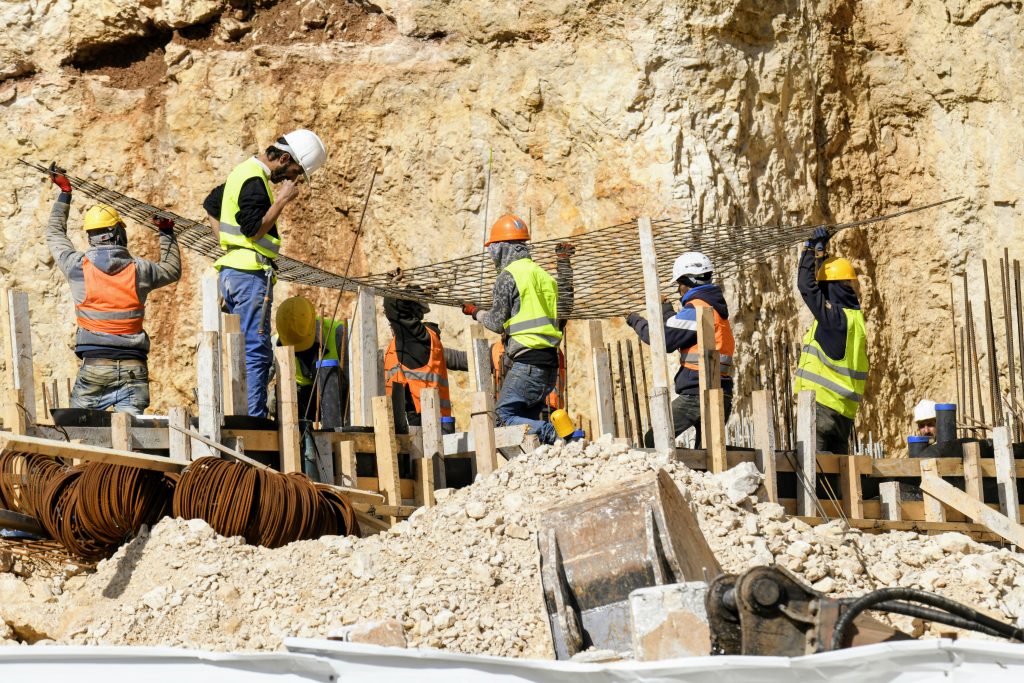
Post-Grenfell reforms and wider changes to building safety have reshaped expectations across the property sector. Developers are now expected to demonstrate not only that work is carried out safely, but that those carrying it out are demonstrably competent to do so.
This extends beyond principal contractors. Subcontractors, specialist access teams, and maintenance-related trades are all part of the picture. Documentation, verification, and consistency matter more than they once did.
Government-backed competence frameworks underline this direction. In practice, this means training records are increasingly treated as operational assets. When questions arise, being able to show who was trained, how, and to what standard can make a material difference.
Training as a Practical Risk Control
From a commercial standpoint, the renewed focus on training is pragmatic. Well-prepared teams are less likely to improvise under pressure, misuse equipment, or misinterpret site procedures. These are the small decisions that often sit behind larger failures.
Insurers have taken note. Projects involving higher-risk activities tend to face closer examination, and developers who can evidence structured training pathways often encounter fewer complications during underwriting.
As a result, many firms now bring training considerations into contractor selection and on boarding rather than addressing them reactively once work is underway. In this context, specialist providers such as North East Access Training appear within supply chains as part of the wider effort to maintain consistency and control where access and safety overlap.
The Workforce Itself Is More Selective
Training is not only about avoiding problems. It also shapes how sites operate day to day. Skilled workers are increasingly selective about where they work, particularly on complex or high-risk projects. Environments that demonstrate clear standards, structured induction, and ongoing competence support tend to experience fewer disputes and smoother coordination.
For developers running multiple projects, this consistency matters. Shared expectations reduce friction between trades and help maintain momentum as teams move between sites and phases.
The effects extend beyond construction. Maintenance planning, handover quality, and long-term asset performance are all influenced by how well teams understand their responsibilities during the build and construction.
Confidence Beyond the Site Fence
Investors, lenders, and planning authorities now look more closely at how projects are governed. Training records, safety systems, and competence management increasingly surface during due diligence, particularly for large or visible developments.
Demonstrating that workforce capability has been actively managed sends a clear signal. It suggests that risk has been anticipated rather than reacted to, and that delivery is underpinned by systems rather than assumptions.
A Standard That Is Becoming Hard to Ignore
The property sector is slowly reframing training from a cost line to a structural requirement. As projects grow more complex and scrutiny continues to rise, competence is becoming part of what defines a professionally run development.
The question facing developers today is not whether training matters. It is how early and how seriously it is embedded into the life of a project. In an industry where minor oversights can escalate quickly, that shift may prove to be one of the most quietly important changes underway.
