
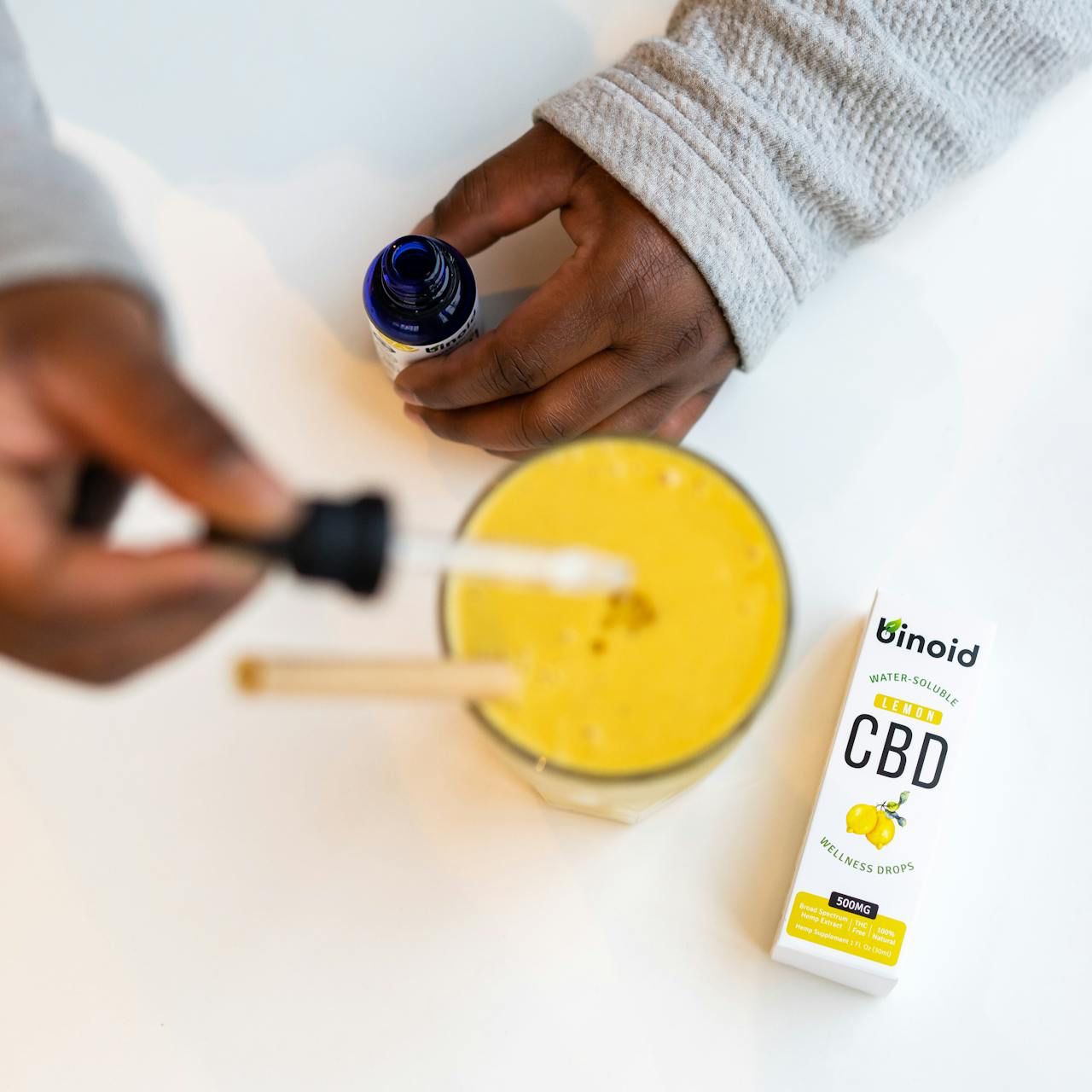
The popularity of CBD products has surged dramatically in recent years, with consumers seeking natural alternatives for various wellness concerns. Cannabidiol, commonly known as CBD, is a non-intoxicating compound derived from cannabis plants that’s captured the attention of health-conscious individuals worldwide. As the market continues to expand with countless products ranging from oils and tinctures to topicals and edibles, understanding the fundamental aspects of CBD use becomes increasingly important. Whether you’re a curious newcomer or someone looking to refine your approach to CBD consumption, having accurate information is essential for making informed decisions.
Understanding CBD Bioavailability and Absorption Methods
One of the most critical factors affecting CBD effectiveness is bioavailability, the amount of CBD that actually enters your bloodstream and becomes available for your body to use. Different consumption methods offer vastly different bioavailability rates, which directly impacts how much CBD you’ll need and how quickly you’ll experience effects. Sublingual administration, where you hold CBD oil under your tongue for 60-90 seconds, offers bioavailability rates of approximately fifteen to thirty-five percent, making it one of the most efficient oral methods. This approach allows CBD to bypass the digestive system and liver metabolism, entering your bloodstream through the mucous membranes instead.
The Importance of Quality Testing and Third-Party Verification
The CBD industry remains largely unregulated in many regions, making independent quality verification absolutely essential for consumer safety and product efficacy. Reputable manufacturers conduct comprehensive third-party laboratory testing to verify CBD content, check for contaminants, and ensure product consistency across batches. These certificates of analysis, commonly called COAs, should be readily accessible to consumers through company websites or by request, providing transparent information about cannabinoid profiles, terpene content, and the absence of harmful substances. We’re talking about pesticides, heavy metals, and residual solvents that you definitely don’t want in your wellness products.
Dosage Considerations and Individual Response Variability
Determining the appropriate CBD dosage represents one of the most challenging aspects of CBD use, as individual responses vary dramatically based on numerous factors. Body weight, metabolism, the condition being addressed, and individual endocannabinoid system function all play significant roles in how you’ll respond to CBD. Unlike many conventional medications with standardized dosing guidelines, CBD typically requires a personalized approach through careful experimentation and observation. Most experts recommend starting with a low dose, typically between five to ten milligrams daily, then gradually increasing by five-milligram increments every few days until you achieve desired effects.
Legal Status and Regulatory Landscape Considerations
The legal status of CBD products exists in a complex and evolving landscape that varies significantly between countries, states, and even local jurisdictions. Consumers need to understand regulations specific to their location before purchasing or using CBD products. In the United States, the 2018 Farm Bill federally legalized hemp-derived CBD containing less than 0. 3 percent THC, though individual states maintain authority to impose additional restrictions or outright bans.
For professionals who need to cultivate plants for research or product development, sourcing quality organic weed seeds ensures consistency and compliance with regulatory standards from the very beginning of the growing process. International travelers should exercise particular caution, as many countries maintain strict prohibitions against all cannabis-derived products regardless of THC content, violations could potentially result in serious legal consequences.
Potential Interactions and Safety Considerations
While CBD is generally considered safe with a favorable side effect profile, understanding potential drug interactions and contraindications remains crucial for responsible use. This becomes especially important for individuals taking prescription medications or managing chronic health conditions. CBD inhibits several cytochrome P450 enzymes in the liver, the same enzyme system responsible for metabolizing approximately sixty percent of clinically prescribed medications, potentially altering how your body processes certain drugs. This interaction can increase medication levels in the bloodstream, potentially leading to enhanced effects or side effects, or conversely, may reduce medication effectiveness in some cases.
Conclusion
Successfully incorporating CBD products into your wellness routine requires understanding these five fundamental aspects: bioavailability and consumption methods, quality verification through third-party testing, personalized dosage determination, legal considerations in your jurisdiction, and potential safety interactions. The CBD market continues evolving rapidly with emerging research, new product formulations, and changing regulations, making ongoing education essential for consumers seeking to maximize benefits while minimizing risks. By approaching CBD use with informed caution, starting with quality products from reputable manufacturers, consulting healthcare professionals when appropriate, and maintaining realistic expectations about potential effects, you can navigate this complex landscape more confidently. Remember that CBD isn’t a universal solution but rather one tool among many for supporting overall wellness, and individual experiences vary significantly based on numerous personal and product-related factors.
