
Table Of Contents
- Why the pool edge deserves careful planning
- How pool-edge materials differ
- Key safety features to look for
- Why drainage affects long-term performance
- How climate changes material selection
- Signs that an existing pool edge needs attention
- Repair or replacement
- A simple homeowner selection process
- Maintenance tips and common questions
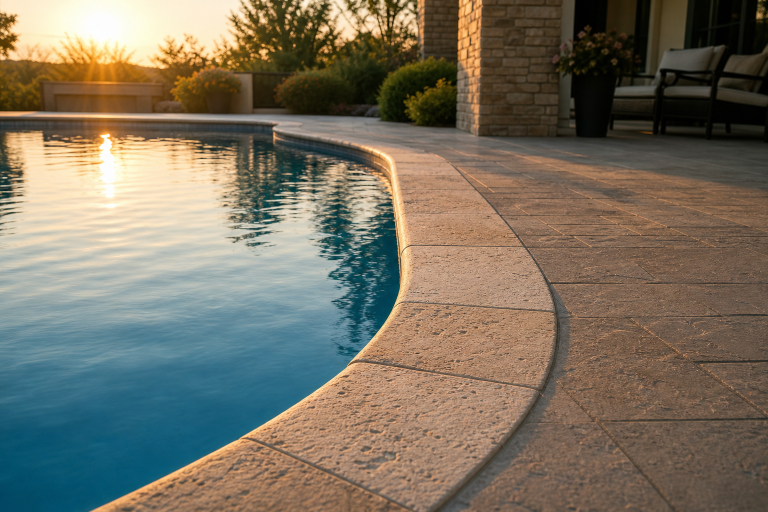
A pool edge does much more than frame the water. It creates the transition between the pool wall, deck, waterline, and the people using the space. The right choice can improve comfort under bare feet, help control water around the deck, and support a more polished overall design. If you are comparing profiles, finishes, or replacement options, learn more about the role coping plays before narrowing down materials.
A durable result depends on more than selecting an attractive color or texture. Climate, drainage, daily traffic, the surrounding deck, and the condition of the supporting base all affect performance. A beautiful pool edge can still crack, shift, stain, or become slippery when those details are overlooked.
Why the Pool Edge Deserves Careful Planning
The pool edge is a relatively narrow surface, but it has a large job. It needs to look cohesive alongside the deck, feel comfortable for swimmers to hold or sit on, resist repeated wetting, and help create a clean transition at the waterline. The best option is rarely the same for every property. A busy family pool, a quiet spa-like retreat, and a shared residential pool may have very different priorities.
Planning should begin with the entire pool area rather than the edge alone. Consider deck elevation, access paths, nearby landscaping, handrails, drainage points, and the route people take from the house to the water. This broader view makes it easier to identify potential trip points, low spots, and materials that may not work well together.
How Pool-Edge Materials Differ
Common materials can all work well when properly selected and installed. The practical differences usually involve texture, repairability, maintenance, heat retention, and the extent of movement the surrounding structure may experience.
- Concrete: Offers broad flexibility in shape, color, and finish. It can be cost-effective, but cracking is more likely if movement, joints, or base preparation are poorly managed.
- Brick: Creates a traditional appearance and allows individual units to be replaced. Joints need regular attention, particularly in wet or freezing environments.
- Natural stone: Provides distinctive texture and variation. Each stone type has different porosity, sealing needs, surface temperatures, and resistance to salt or staining.
- Pavers: Can coordinate naturally with a larger patio and may make localized repairs easier. Their performance depends heavily on a stable base and properly maintained joint material.
- Tile: Delivers extensive design flexibility, especially around waterlines. Products, grout, and installation methods must be suitable for constant moisture and pool chemicals.
When comparing choices, look beyond appearance. Smooth concrete may be easier to clean, but it requires a traction-friendly finish. Stone may provide excellent visual texture, but it needs sealing. Brick and pavers can simplify isolated repairs, while tile may require especially careful attention to joint condition.
Key Safety Features To Look For
A safer pool edge usually combines several small design decisions. Look for softened or rounded edges, a finish that provides traction when wet, and a width that gives swimmers room to enter, exit, or sit comfortably. The surface should meet the deck consistently, without abrupt lips, rocking sections, or height changes that can catch a foot.
Texture matters, but it is not the only safety factor. Standing water, algae, body oils, sunscreen residue, poor lighting, and worn sealers can all reduce traction. Give special attention to ladders, handrails, pool steps, shallow-water zones, and the paths people use most often. For shared or public aquatic settings, the CDC’s guidance for preventing injury and illness at aquatic venues can help frame design and operational questions, although local codes remain the controlling requirement.
Why Drainage Affects Long-Term Performance
Water that repeatedly sits near coping joints, deck seams, or the pool shell can create problems far beyond a slick walking surface. It may wash out supporting material, encourage staining and algae growth, worsen freeze-thaw damage, or expose small gaps that allow moisture to enter vulnerable layers.
A positive slope should guide ordinary rainwater, splashing, and cleaning water away from sensitive joints and toward an appropriate collection area. Keep drains clear of leaves, furniture, toys, mulch, and soil. Drainage planning also matters beyond the pool itself because of chlorinated water, filter waste, and chemical-laden runoff. However, allowed to reach storm drains or nearby waterways.
How Climate Changes Material Selection
- Freeze-thaw conditions: Prioritize low water absorption, sound joints, proper base preparation, and winter inspections. Trapped water can expand and worsen small defects.
- Hot, sunny conditions: Compare surface temperatures in direct sun, resistance to fading, and barefoot comfort. Darker or denser materials may become uncomfortable during peak heat.
- Humid or rainy conditions: Plan for fast drainage, routine cleaning, and finishes that resist slippery organic buildup.
- Sandy or shifting soils: Inspect for settlement and movement. Even a durable surface can fail when the supporting layers are unstable.
- Saltwater pools: Confirm that the selected material, sealer, grout, and fasteners are appropriate for repeated salt exposure.
Signs That an Existing Pool Edge Needs Attention
Inspect the full perimeter at least seasonally and after severe weather. Watch for widening cracks, loose or rocking pieces, open joints, missing sealant, rust stains, exposed reinforcement, crumbling concrete, recurring damp spots, and water that remains near the edge after cleaning or rain.
Small chips may be cosmetic, but repeated cracks, uneven sections, or gaps between the pool edge and deck can signal movement or moisture below the surface. Sharp corners and slippery buildup should also be addressed promptly, since both affect daily use.
Repair Or Replacement: Which Option Fits?
Repair can be a sensible choice when damage is limited, stable, and caused by an issue that has already been corrected. Replacement may be the better long-term decision when cracking is widespread, several sections have settled, materials no longer match the deck, or drainage continues to direct water toward vulnerable areas.
- Inspect the entire perimeter, not only the most visible damaged area.
- Check whether pieces move under pressure or joints have opened.
- Identify drainage issues before approving a cosmetic repair.
- Review the condition of the base, deck connection, and pool wall.
- Compare the expected life of a repair with the cost and disruption of replacement.
A Simple Selection Process For Homeowners
Start by measuring the perimeter and noting curves, corners, steps, and access points. Record how the pool is used, including entertaining, children, pets, frequent foot traffic, or quiet relaxation. Then identify low spots, standing-water areas, drainage paths, and nearby surfaces that need to be coordinated visually.
Before choosing, request samples and view them both dry and wet. Compare texture, heat, sealing needs, repair options, color variation, and cleaning requirements. Ask about curing time, expansion joints, edge profiles, drainage details, and the maintenance steps needed to protect the finished surface.
Pool-Edge Maintenance Tips
- Remove leaves, dirt, and debris before they collect in joints and drains.
- Use cleaners and tools appropriate for the specific material.
- Inspect sealant, grout, and joints each season.
- Keep planters, furniture, and storage items clear of drainage routes.
- Address minor chips, loose pieces, and small gaps before moisture reaches deeper layers.
Common Questions About Pool Edges
What Is the Best Material for a Pool Edge?
There is no universal best choice. The right material depends on climate, surface temperature, wet traction, maintenance expectations, budget, and the character of the surrounding deck.
Can a Cracked Section Be Patched?
Some stable, isolated cracks can be repaired. Cracks that return, spread, or appear alongside settlement and loose sections deserve a more thorough structural review.
How Often Should Pool Edges Be Inspected?
A quick visual check every season is useful, with closer inspections after storms, deep freezes, nearby construction, or any signs of drainage trouble.
Conclusion
Choosing a pool edge is about more than completing the look of the waterline. A successful choice fits the climate, provides reliable wet-foot traction, manages water effectively, and connects cleanly with the deck and access areas. By reviewing materials, drainage, safety details, and maintenance needs together, homeowners can make a decision that remains comfortable, attractive, and durable for years.
