
Post Preview
Whether you have a few unwanted metal items, a load from a renovation, or heavy equipment to be removed from a property, the best first step is to clearly describe the material and site conditions. For scrap metal recycling Byram Township, NJ, Raimo Scrap Iron & Metal can help customers begin the conversation about material acceptance, delivery, transportation, equipment needs, and safe preparation.
Scrap recycling requests are easier to evaluate when customers know what they have, how much material is involved, and whether the load includes special items such as appliances, vehicles, batteries, fluids, or wire. Because accepted materials, scheduling, and market conditions can change, confirm the current requirements before loading a vehicle or arranging transport.
What Is the Best Way to Request Scrap Metal Recycling?
Start by contacting Raimo Scrap Iron & Metal with a straightforward description of the scrap. Include the main metal types, estimated quantity, location, and whether you expect to bring the material in or need help moving it. This information helps determine the most appropriate next step.
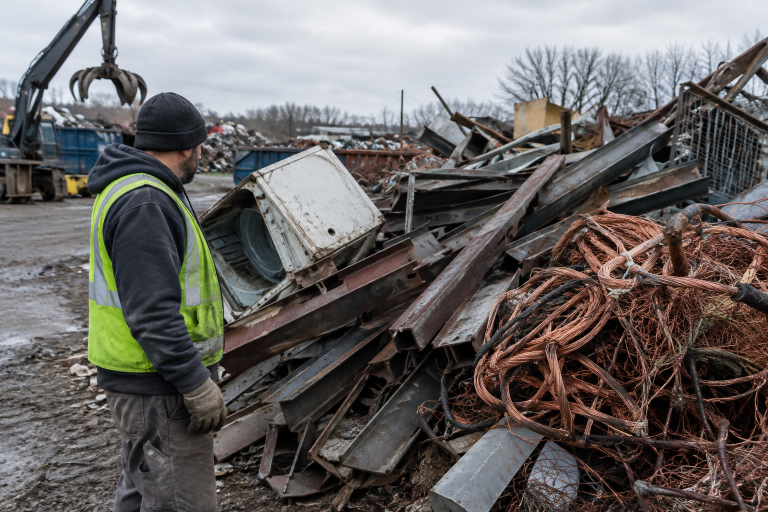
A useful request may include details such as steel beams from a demolition project, separated copper wire from a job site, household appliances, machine parts, a trailer, or a vehicle-related load. Photographs can also be helpful for large, mixed, unusually heavy, or difficult-to-access material.
Why Work With Raimo Scrap Iron & Metal?
Raimo Scrap Iron & Metal is a local option for customers in Byram Township and the North Jersey area who need a practical outlet for unwanted metal. Public county recycling information identifies the facility as handling categories that include scrap metal, heavy iron, automobile scrap, brass, wire, metal appliances, and transportation-related services.
That range matters because scrap is not one uniform material. A homeowner clearing a garage, a contractor managing demolition metal, and a business replacing equipment may all need different handling arrangements. Asking specific questions before delivery can reduce delays and help keep recyclable metal separate from trash and mixed debris.
What Materials Can Customers Ask About?
Customers should describe materials by category whenever possible. Acceptance, preparation requirements, and value can differ based on the material’s condition, weight, contamination, and current market demand.
- Ferrous metals: Steel, cast iron, structural metal, heavy iron, machinery, shelving, and other iron-containing items.
- Nonferrous metals: Copper, brass, aluminum, stainless steel, and insulated or bare wire.
- Appliances and white goods: Washers, dryers, refrigerators, air conditioners, and other large metal appliances.
- Vehicle-related scrap: Cars, frames, parts, trailers, and other automotive metal.
- Commercial and industrial material: Fabrication offcuts, production scrap, obsolete equipment, containers, and demolition metal.
New Jersey tracks several of these categories separately, including heavy iron, nonferrous and aluminum scrap, white goods and light iron, automobile batteries, and automobile scrap. Those material-specific recycling trends reflect why a mixed load may need to be sorted and evaluated before it can be handled efficiently.
How Should You Prepare Scrap Before Contacting Raimo?
- Identify the primary material types, such as steel, copper, brass, aluminum, stainless steel, or mixed metal.
- Separate different metals when it is safe and practical to do so.
- Estimate the number of items, approximate weight, or truckload size.
- Remove loose trash, wood, plastic, and other non-metal material when appropriate.
- Take clear photos of oversized equipment, tangled wire, mixed piles, or difficult site access.
- Note where the material is located, such as a residence, business, warehouse, farm, job site, or demolition location.
- Ask whether drop-off, transportation, container service, or loading equipment is appropriate.
Do not attempt to cut apart, drain, or move heavy items without appropriate tools, training, and safety precautions. Large pieces can shift unexpectedly, and items containing fluids or pressurized components may need special handling.
What Information Should Be Included in a Recycling Request?
A clear request gives Raimo Scrap Iron & Metal the details needed to provide useful direction. Customers can use a simple format such as: “I have approximately [amount] of [material] in [location]. The load includes [examples]. Please let me know whether it is accepted, how it should be prepared, and whether transportation may be available.”
Also mention whether loading access is limited, whether the material is inside a building, and whether it includes appliances, batteries, vehicles, fluids, refrigerants, or non-metal debris. For vehicle-related scrap, ask in advance about any documentation or preparation requirements.
When Are Pickup, Transportation, or Container Options Useful?
Delivery may be practical for smaller, accessible loads that can be transported safely. Transportation or container discussions may be more appropriate when material is too heavy for a personal vehicle, is generated regularly by a business, is spread across a job site, or is connected to a renovation, demolition, equipment replacement, or cleanout project.
Contractors and businesses can make recurring scrap management simpler by separating metal at the source. Keeping clean metal apart from general construction debris can make loading, evaluation, and downstream processing more efficient.
Special Considerations for Appliances, Batteries, Fluids, and Refrigerants
Appliances are not always handled like ordinary clean steel. Refrigerators, freezers, and air conditioners may contain refrigerants, while vehicles and machinery can contain fuel, oil, coolant, batteries, or other components that require advance disclosure. Keep batteries separated from loose scrap when practical, and report leaking, damaged, contaminated, or pressurized items before transport.
Metal recycling supports material recovery on a significant scale. The EPA reports that ferrous metals include iron and steel, and its data estimate that 19.2 million tons were generated in the United States municipal solid waste stream in 2018. Local sorting and responsible handling help direct usable metal into appropriate recycling channels.
Common Mistakes to Avoid
- Assuming every item in a mixed load will be accepted.
- Using outdated information about hours, pricing, or material requirements.
- Mixing recyclable metal with garbage, drywall, wood, or other debris.
- Failing to disclose batteries, fluids, refrigerants, or contamination.
- Trying to transport heavy equipment without adequate loading or securement.
- Assuming an online scrap price applies to every grade and condition of metal.
Frequently Asked Questions
Does Raimo Scrap Iron & Metal accept residential scrap?
Residents should contact Raimo directly to confirm the current acceptance requirements for household metal, appliances, wire, and other items before making a trip.
Can contractors and businesses request help with larger loads?
Customers with demolition material, production scrap, machinery, trailers, or recurring loads should ask about transportation, containers, site access, and loading needs.
Should I separate copper, brass, aluminum, and steel?
Yes, when it can be done safely and reasonably. Separation helps identify the material accurately and prevents the mixing of higher-value nonferrous metals with general mixed scrap.
Wrap-Up
Visit this website: Understanding the Value of Different Metals in Scrap Recycling
Whether you are clearing out household scrap, managing a renovation, or handling a larger commercial load, starting with accurate information can make the recycling process easier. Describe the materials, quantity, condition, and site requirements to Raimo Scrap Iron & Metal, and confirm current acceptance and transportation options before arranging your load. With proper preparation and safe handling, unwanted metal can be directed to an appropriate recycling process rather than becoming general waste.
