
Primary immunodeficiency is a group of disorders where the immune system does not function properly, leaving individuals more vulnerable to infections. These conditions vary widely in severity and type, but with the right treatment approach, patients can maintain strong health and reduce complications. Effective treatment requires a combination of medical therapy, lifestyle adjustments, and ongoing monitoring. This guide will help you understand how to successfully manage primary immunodeficiency and support long term well-being.
Start With an Accurate Diagnosis
Treating primary immunodeficiency begins with identifying the specific type. Diagnosis involves blood tests, genetic testing, immune function assessments, and detailed medical history. Early diagnosis allows patients to begin treatment sooner, reducing the risk of severe infections or long term complications.
Use Immunoglobulin Replacement Therapy
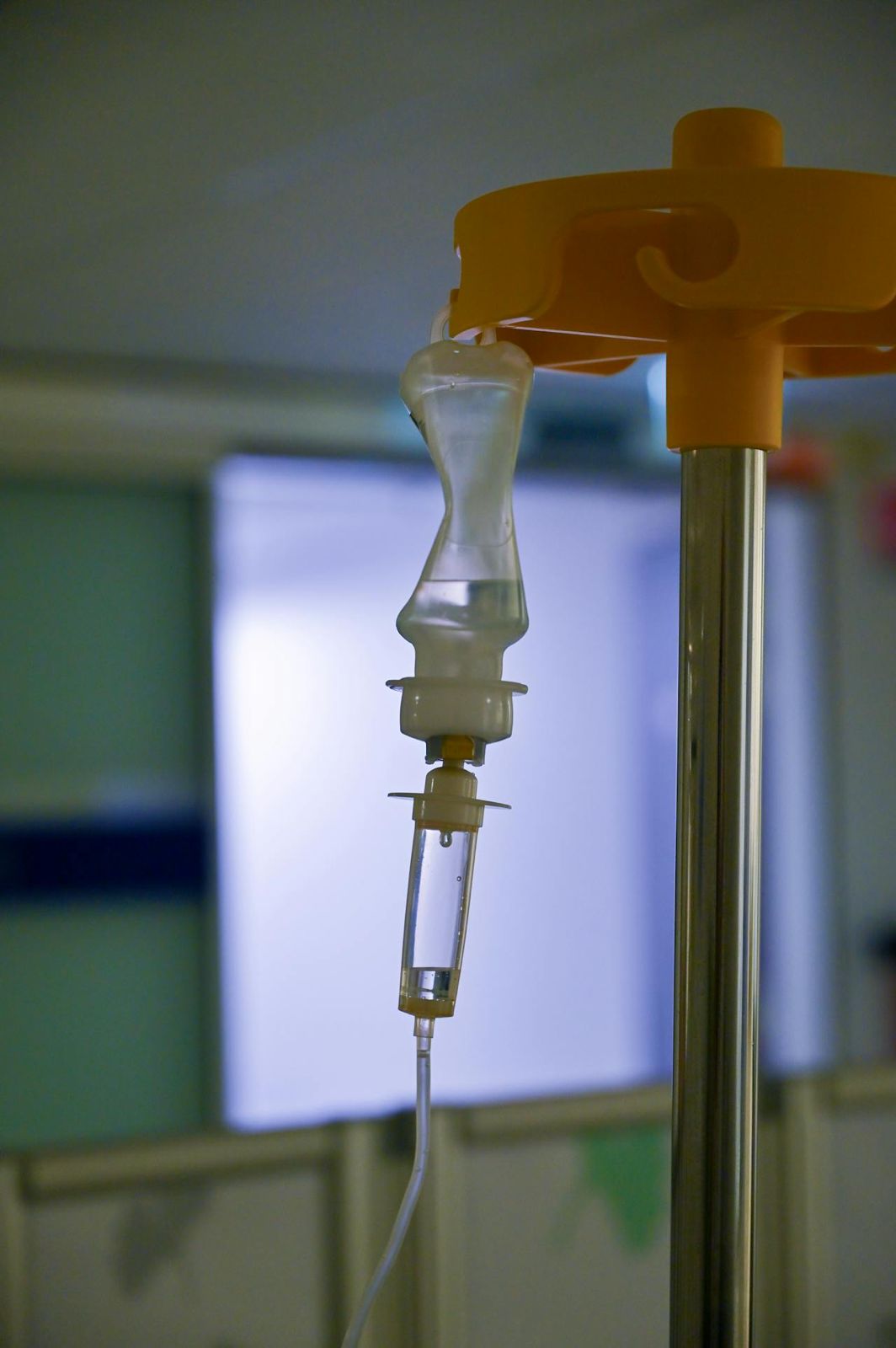
One of the most effective treatments for primary immunodeficiency is immunoglobulin replacement therapy. This treatment provides the antibodies that the body cannot produce on its own.
Patients benefit from primary immunodeficiency treatment because it helps prevent frequent infections, boosts immune system strength, and improves energy levels. Treatment can be administered intravenously or subcutaneously depending on the patient’s needs.
Prevent Infections With Good Daily Practices
Because individuals with primary immunodeficiency are more vulnerable to illness, infection prevention is essential. Effective practices include:
- Frequent handwashing
- Avoiding crowded environments during peak illness seasons
- Maintaining up to date vaccinations when approved by physicians
- Ensuring proper food handling
- Wearing masks in high risk settings
These habits reduce exposure and the likelihood of infection.
Build a Supportive Nutrition Plan
Healthy eating supports overall immune health. A balanced diet includes:
- Fresh fruits
- Vegetables
- Lean protein
- Nuts and seeds
- Whole grains
Hydration is also important. Proper nutrition reduces inflammation and strengthens the body’s natural defenses.
Use Antibiotics When Needed
Some patients require antibiotics to treat or prevent infections. Doctors may prescribe long term or short term antibiotics depending on the patient’s condition. It is important to take medications as instructed to avoid antibiotic resistance.
Exercise and Physical Activity
Gentle physical activity improves energy levels, supports cardiovascular health, and strengthens the body. Recommended exercises include walking, stretching, light strength training, and yoga.
Patients should avoid strenuous activity during illness but maintain regular movement when healthy.
Maintain Regular Medical Appointments
Ongoing care is critical. Immunologists monitor symptoms, track infections, adjust treatment, and identify early signs of complications. Regular appointments also help ensure immunoglobulin levels remain in the proper range.
Support Mental and Emotional Health
Living with a chronic immune condition can be emotionally draining. Patients may experience anxiety about infections or frustrations regarding limitations. Counseling, support groups, and open communication with loved ones provide emotional support.
Conclusion
Primary immunodeficiency can be successfully managed with accurate diagnosis, immunoglobulin therapy, infection prevention, strong nutrition, and regular medical care. With the right plan and support system, patients can live healthier, more comfortable lives while reducing the impact of their condition.
