
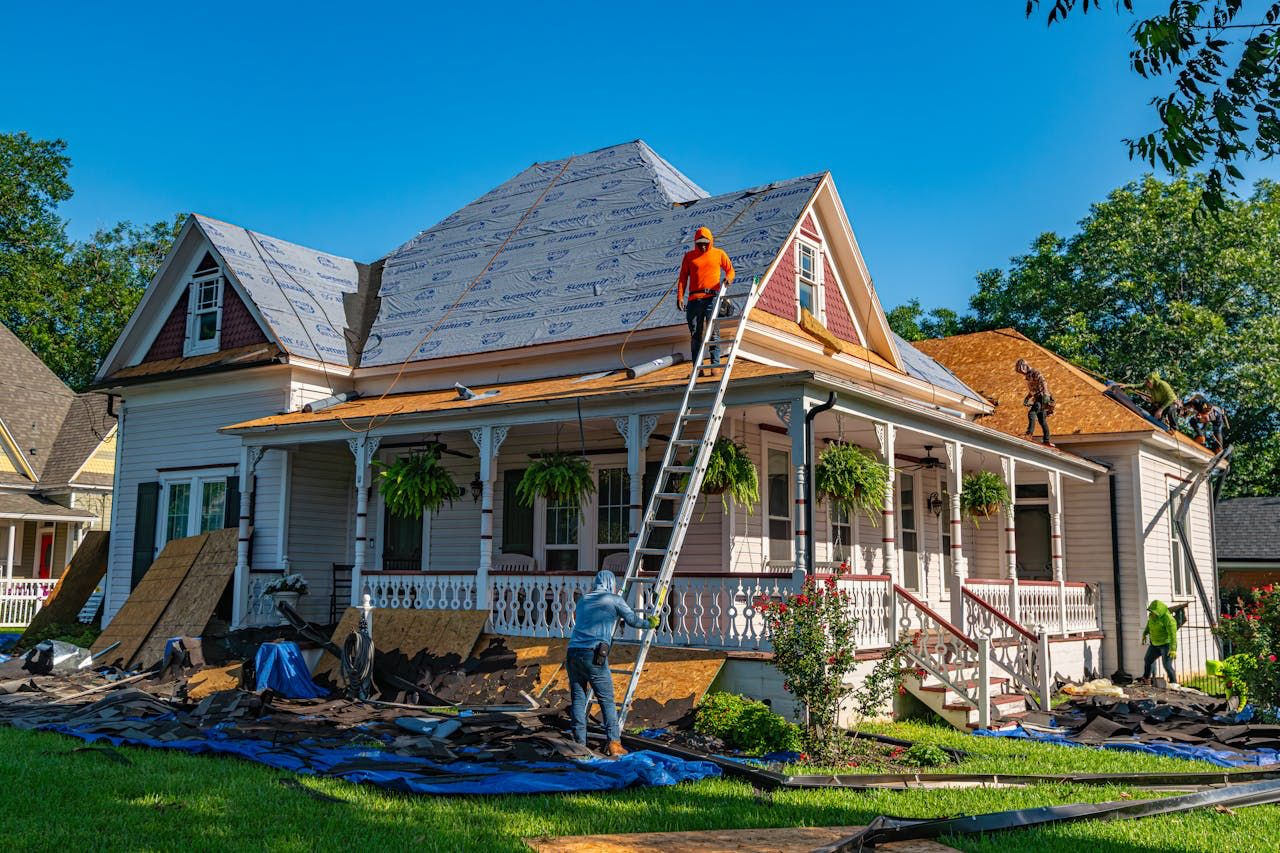
Your roof is easily one of the most critical components of your home, yet it often gets overlooked until something goes seriously wrong. Too many homeowners take a “wait and see” approach, holding off on replacement until leaks or obvious damage force their hand. Here’s the thing though, this reactive strategy can end up costing you way more in repairs, create structural headaches, and even put your family at risk. Knowing when to proactively replace your roof can save you thousands while protecting what’s likely your biggest investment.
1. Rising Energy Bills Indicate Poor Insulation
Have you noticed your energy bills creeping up steadily? That’s often one of the sneakiest signs that your roof needs attention. When your roof starts deteriorating, it can’t insulate your home properly anymore, conditioned air escapes while outside temperatures sneak in uninvited. Your HVAC system ends up working overtime just to keep things comfortable, and that means burning through significantly more energy. Even without visible damage, an aging roof with compromised underlayment and ventilation creates serious energy waste.
2. Age of Your Roof Has Reached Critical Threshold
Let’s talk about something pretty straightforward, how old is your roof? The age factor is probably the most predictable way to figure out when replacement becomes necessary. Most asphalt shingle roofs (which cover the majority of American homes) last somewhere between 20 and 25 years under normal conditions. If yours is approaching or already past that range, replacement should move up your priority list, even if everything looks fine from the ground. Environmental factors like intense sun exposure, harsh weather, and temperature swings can speed up aging and shorten that timeline considerably.
3. Missing or Damaged Shingles Compromise Protection
When you spot missing, cracked, or curling shingles, that’s your roof waving a red flag at you. Sure, you might think replacing just a few damaged shingles will do the trick, but that patchwork approach usually doesn’t address what’s happening underneath. When shingles start curling at the edges or losing granules like crazy, it means the material’s reached the end of its useful life and can’t protect your home adequately anymore. Storm damage, even the stuff that looks minor, creates vulnerabilities that let moisture sneak in, and moisture leads to rot, mold, and structural damage in your roof deck and attic.
4. Sagging Roof Deck Signals Structural Issues
A sagging or uneven roofline? That’s one of those warning signs you absolutely can’t ignore. It typically means you’ve got structural problems that go way beyond just the shingles. This visible deformation tells you that moisture has gotten into the roof deck, causing the wood underneath to rot and lose its strength. The longer you put off dealing with a sagging roof, the worse and more expensive things get, damage spreads to rafters, trusses, and potentially even your walls. In really bad cases, a compromised roof structure becomes a genuine safety hazard, with the possibility of partial or complete collapse under snow weight, debris, or during severe storms. Sagging can also point to poor initial installation, inadequate ventilation that’s allowed moisture to build up over the years, or simply too many roof layers stacked on top of each other. When you’re facing structural concerns, homeowners who need to restore their home’s safety and stability often require comprehensive roofing replacement that involves not just new shingles but also repairing or replacing damaged decking and supports. Taking care of these structural issues before things get critical prevents catastrophic failure and keeps your family safe.
5. Property Value Enhancement Before Selling
Thinking about putting your house on the market in the next few years? Getting your roof replaced proactively can seriously boost your property’s appeal and selling price. Real estate studies consistently prove that a new roof ranks among the top improvements that catch buyers’ attention and can return 60 to 70 percent of its cost in increased home value. Buyers naturally get nervous about homes with older roofs, they know they’ll be facing that expense and hassle soon after moving in, which typically leads to lower offers or requests for concessions from the seller. A new roof becomes a powerful selling point, giving buyers confidence and removing a major sticking point during negotiations.
Conclusion
Waiting around for obvious leaks before replacing your roof is a mistake that can cost you big, time through property damage, safety risks, and surprise expenses. By recognizing the warning signs, climbing energy bills, advanced age, visible damage, structural sagging, and upcoming sales plans, you can make smart decisions about roof replacement on your own terms. Proactive replacement gives you time to plan financially, choose quality contractors without emergency pressure, and pick materials that actually suit your needs and budget. A new roof investment delivers decades of protection, boosts energy efficiency, increases property value, and provides that priceless peace of mind knowing your home is properly shielded from whatever nature throws at it.
