
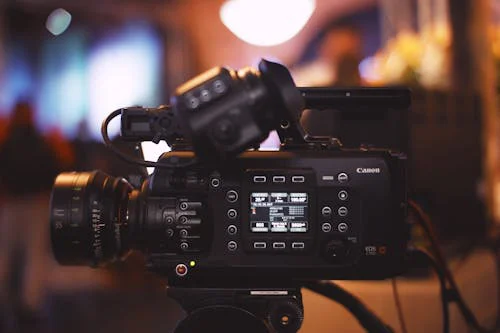
Generating high-quality video content is much more than pointing a camera at a subject and pressing record. From ideation to delivery, there are specific roles, a process to follow and decisions to make at every stage that transforms the final product. Assessing the video production process helps to outline why time is necessary, why prices are what they are and ultimately, why professional content outperforms anything an amateur can do.
Why does this matter? Because most people only see the final product – the polished, final cut that looks like it comes together without a hitch. They fail to see all the components necessary to put every frame together, how it all starts in a meeting with a creative brief and ends with a hefty file delivered in multiple formats. They also fail to appreciate the interdisciplinary know-how which allows for such inventive creativity – each part of the production process is so specialized that most professionals in the field never do just one type of work.
Understanding the Process
The average viewer never considers everything that goes into making a video. Professionals – and professional video production – understand the nuances and complexities that lead to cohesive content. Instead of just looking at moving images, teams look at every frame through many different lenses to ensure that the product engages with audiences and conveys client objectives.
Long Before Cameras Roll
Before any production ever occurs, pre-production is key. A client needs to meet with relevant teams to discuss their objectives, audience, and goals. This initial part of the process dictates everything else to come, which is why it’s often considered the most important stage for any project.
From these creative meetings, people develop creative briefs. A creative brief is not only a means to an end for those on the production team; it’s also a precursor to actually making something in that it outlines what needs to be said but also, how audiences need to feel from it. Creative briefs can run one page to 20 pages depending on the production; the best ones are creative yet stringent enough to give people room to breathe and keep effort focused.
At this stage, concepts are developed, taking an initial thought and creating something visual through storyboarding (narrative-type productions), mood boards (brand videos), visual style guides (more complicated projects). These tools bring conceptualization into something tangible for production.
Bring it All Together
Once the concept is established, that’s where the professionals come in. Directors are responsible for visual storytelling; cinematographers handle cameras and lighting; motion graphics artists make the cool animated additions people constantly talk about from different openings down to solidified visuals. If a project is ever going for something more design-oriented or complicated, it’s best to partner with established studios that know what they’re doing.
For example, FRAY Studio is a talented union of motion graphics and video services that can help solidify what needs framing through expert opinion. Making sure that teams include specialized experts allows for cohesion across brands and intentionality throughout with craft built in at every stage.
The same goes for sound design – when audio work comes in, it’s just as useful – and beneficial – to include makers who know how to create soundscapes either for them or visualizations stemming from sound effects. Color gradings finish off each component to ensure cohesive tones are across all footage. It’s important that every piece comes together professionally; rarely can one person do it all.
Then It’s Time to Shoot
When it’s time to produce, it’s time to get rolling – but even then, professional video production means efficiency and follows strict schedules according to talent availability and shots that need capturing. Practical components can complicate productions when there isn’t a sense of cohesion across what’s needed.
Shooting situations require locations, deadlines, specific hours of the day with lighting conditions that must be taken into account. Lighting professionals help create the ambiance required from a storytelling perspective; camera operators have their shots predetermined while simultaneously considering how certain frames will cut together down the road. Script supervisors match frames up over days of shooting or through multiple takes. Professionals understand practicalities of shooting and how they impact post-processing – sound quality/noise, lighting consistency/moods and camera angles for transitions all ease the editing process when considered before production commences.
Beyond Shooting
It’s not as easy as merely pressing record or power down at the end of takes. As professionals evaluate what’s been produced, they enter post-production territory where reviewing hours of footage becomes an exercise in creativity.
One day of shooting could yield hours upon hours of limited usefulness; however, this process takes longer than actual shooting ever will – it’s not about getting it done quickly – it’s about making the correct creative decisions along the way that dictate what audiences ultimately see, how they see it and their interaction with what’s before them.
Post-production editors take on this perspective by assembling sequences cohesively for energy flow based on what’s shot and what’s needed. Editors often work closely with directors by taking their creative concepts into one realm while critiquing what’s there versus what exists in their heads based on whether things aren’t cutting up or just don’t make sense aesthetically.
While rough cuts deal with getting everything pieced together and approved for color correcting, sound mixing, graphics inclusions (the fanciest part), all of it needs review – especially when it’s for client’s requirements.
Professional Quality Control
Not only do clients need input at every part of this process-where rough cuts allow them insight into beginnings-professional editors can suggest changes that might enhance construction or aesthetic spin. There are quality control check-ins at every step – sound levels need checking against color palettes; voiceovers need compression insights; different platforms have different needs. Professionals know how to deliver files perfected for each situation while creating multiple versions (aspect ratio needs) and time slots adjusted for timing options.
Finally, ultimate revisions assess everything combined through a professional lens – to keep everything cohesive with client’s feedback – but ultimately the director/professional is responsible for protecting the integrity of the piece; collaging feedback without critical concerns could complicate the venture if it loses its original form along the way.
Final Delivery
Once approved comes final delivery – a transition from idea to screen – but also a means to an end that requires assessment for different standards across different platforms/audiences/etc. Finding where best to place the content comes down to compression settings and perfect execution based on intention behind goals. The best product has a strategy behind its release.
Taking this all into consideration helps appeal to evidence that professional production takes time because it operates in stages where all parts are equally important – and if any stage between pre-production through shooting and post-production falls short, amateur mistakes will take place.
Each step is crucial toward compelling content that meets client expectations; professionalism upholds industry standards across platforms and opportunities – what might fail in amateur projects will find success in professionally created ventures down the road where delivery makes all the difference because no one ever questions a well-made video.
