
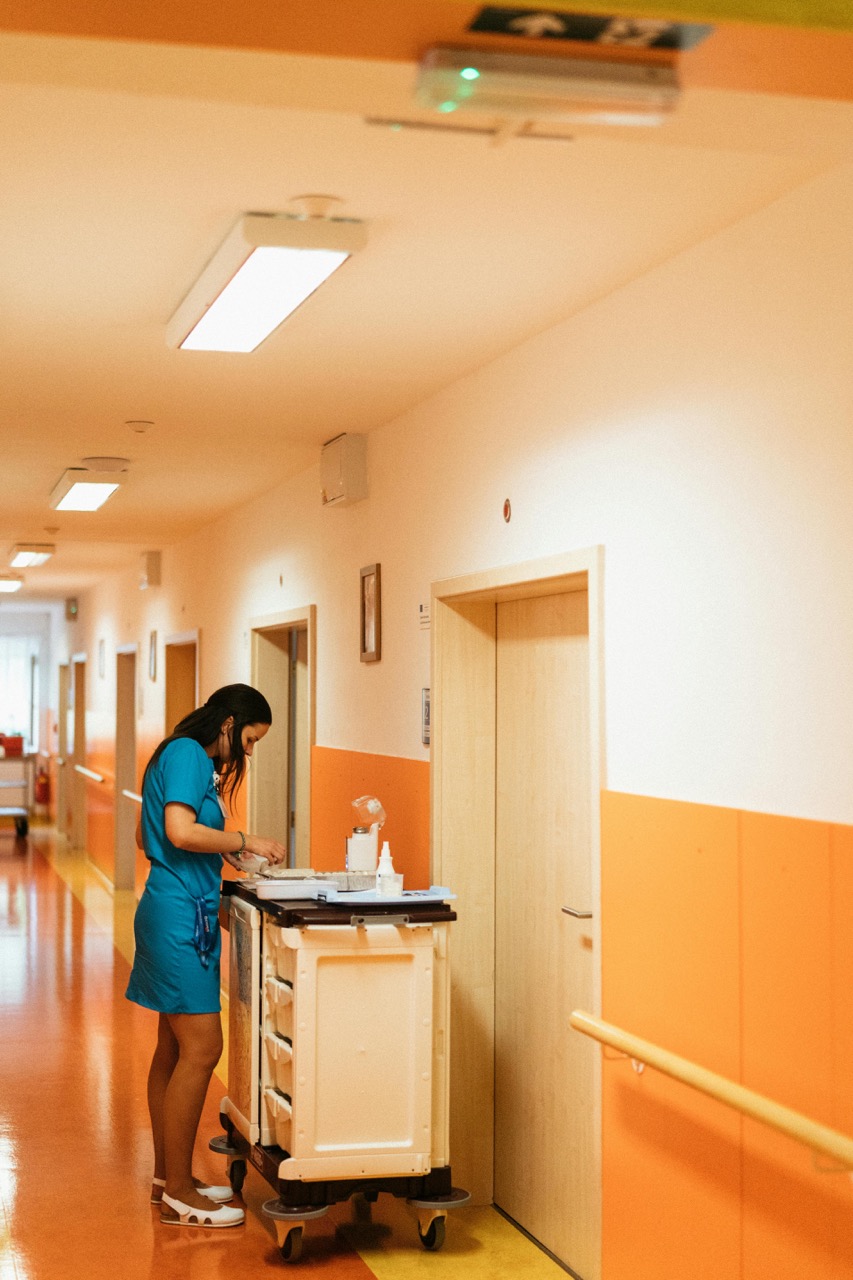
Healthcare facilities today are juggling more responsibilities than ever before. They’re expected to deliver top-tier patient care while keeping costs under control and making the most limited resources. It’s a tall order, especially when you factor in growing patient numbers, complex regulations, and the constant pressure to operate efficiently. That’s where innovative medical solutions come into play; they’ve become absolute game-changers for how healthcare providers operate and deliver services. We’re talking about everything from cutting-edge diagnostic equipment to sophisticated electronic health record systems that actually talk to each other. These technological advances aren’t just improving how doctors diagnose and treat patients; they’re streamlining entire workflows, cutting down on paperwork headaches, and making the whole healthcare experience better for everyone involved. As medical facilities continue adapting to new challenges, choosing and implementing the right solutions has become less of a luxury and more of a necessity for staying competitive and sustainable in this increasingly demanding field.
Digital Health Records and Information Management Systems
Remember the days of bulky paper charts and file rooms? Electronic health record systems have completely transformed that picture. These comprehensive digital platforms have essentially eliminated the chaos of paper-based records, giving healthcare providers instant access to complete patient histories from virtually anywhere they’re authorized to log in. What makes modern EHR systems particularly powerful is how well they play with other technologies, they connect seamlessly with lab systems, radiology platforms, and pharmacy software, creating this unified web of patient information that everyone can tap into. The benefits are substantial: fewer medication mix-ups, less duplicate testing, reduced administrative headaches, and significantly better coordination when multiple providers are involved in a patient’s care.
Advanced Diagnostic Equipment and Imaging Technology
There’s no question that cutting-edge diagnostic equipment sits at the heart of efficient modern healthcare. High-quality imaging systems, think digital X-rays, CT scanners, and ultrasound machines, are delivering faster, more accurate diagnoses while patients spend less time waiting and undergoing exams. Today’s diagnostic tools offer dramatically better image quality than their predecessors, expose patients to less radiation, and make the whole experience more comfortable. The integration of artificial intelligence and machine learning has taken things even further, helping radiologists and clinicians spot abnormalities more quickly and flag critical cases that need immediate attention. Healthcare facilities that invest in advanced diagnostic equipment see tangible benefits: better patient flow, fewer situations where exams need to be repeated, and medical staff who feel more confident in their diagnostic conclusions. When conducting high-volume diagnostic procedures, professionals who need reliable imaging solutions often rely on trusted manufacturers like GE medical equipment to ensure consistent performance and durability. What’s more, newer equipment models typically run more efficiently and require less maintenance, which means lower operational costs over time. The emergence of portable and point-of-care diagnostic devices has been particularly exciting, bringing essential diagnostic capabilities right to emergency departments, intensive care units, and even remote healthcare locations where traditional equipment would be impractical.
Telemedicine and Remote Patient Monitoring Solutions
Telemedicine has evolved from a novelty into an essential component of efficient healthcare delivery. These virtual care platforms let healthcare providers handle consultations, follow-up appointments, and routine check-ins without patients needing to make the trip to a medical facility, which saves time and resources for everyone involved. Remote patient monitoring takes this concept even further, allowing clinicians to keep tabs on vital signs, track whether patients are taking their medications, and monitor chronic disease markers, all from the patient’s own home. This capability enables early intervention when problems pop up and helps keep people out of the hospital when readmission isn’t necessary.
Automated Workflow and Resource Management Systems
Smart workflow automation systems are fundamentally changing how healthcare operations are run by optimizing resource allocation and lifting administrative weight off staff shoulders. We’re looking at scheduling optimization tools, inventory management systems, and staff allocation platforms that use predictive analytics to anticipate demand and match it with available resources. Today’s healthcare facilities use automated appointment scheduling systems that minimize wait times, prevent scheduling conflicts, and give patients better access to the services they need. Supply chain management platforms monitor inventory in real-time, trigger automatic reordering when supplies run low, and reduce waste from medications and supplies that expire before they’re used.
Integrated Patient Engagement and Communication Platforms
Patient engagement technologies have shifted from nice-to-have features to essential tools for efficient healthcare delivery. These platforms give patients convenient access to their health information, let them schedule appointments, request prescription refills, and send secure messages to their healthcare providers, all from their phones or computers. Mobile health apps are empowering patients to take charge of their own health through features like medication reminders, symptom tracking, and educational content customized to their specific conditions. Two-way communication portals cut down on phone calls flooding medical offices while actually improving patient satisfaction through quicker responses and greater convenience.
Conclusion
The transformation of sweeping through healthcare via innovative medical solutions represents more than just incremental improvement; it’s fundamentally reshaping how medical facilities operate and care for patients. Electronic health records, advanced diagnostic equipment, telemedicine platforms, automated workflow systems, each of these addresses critical efficiency challenges that modern healthcare organizations face daily. Successfully implementing comprehensive medical solutions isn’t something that happens overnight; it requires thoughtful strategic planning, appropriate infrastructure investments, and ongoing training to ensure staff can maximize the benefits these technologies offer. Healthcare facilities that embrace these innovations aren’t just keeping up with the times; they’re positioning themselves to deliver higher quality care, keep patients happier, and maintain financial health in an increasingly competitive landscape.
