
Key Takeaways
- The rise of autonomous and self-driving cars is transforming traditional concepts of liability for accidents.
- Liability is shifting from individual drivers to manufacturers and technology providers.
- Legal frameworks and insurance models are evolving to keep pace with new vehicle technologies.
- Accident investigations now often involve data from complex vehicle software and sensors.
- Individuals impacted by accidents involving autonomous vehicles should consult with professionals well-versed in this new legal landscape.
Table of Contents
- Introduction to Autonomous Cars and Accident Liability
- Traditional Accident Liability: How It Works
- The Shift to Autonomous Vehicle Liability
- Product Liability and Technology Failures
- Changes in Insurance and Law
- Investigating Accidents with Self-Driving Cars
- The Future of Accident Liability
Introduction to Autonomous Cars and Accident Liability
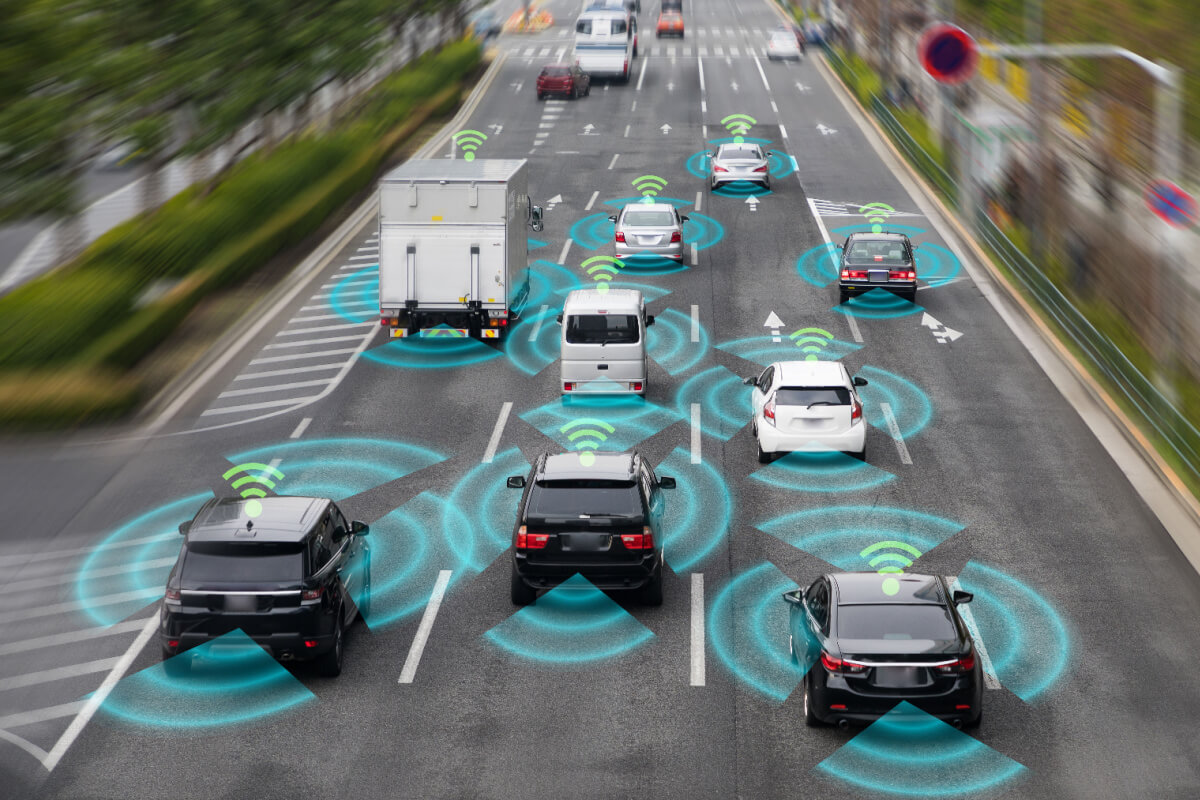
Autonomous and self-driving vehicles are quickly becoming part of everyday life. Rather than relying solely on human drivers, these vehicles employ advanced sensors, artificial intelligence, and machine learning to navigate roads and make complex decisions. This technological revolution is disrupting not only how we travel, but also how legal responsibility is determined in the event of accidents. As manufacturers, software companies, and vehicle owners intersect, many wonder just who is at fault if a self-driving car causes a crash. For anyone involved in such incidents, having the guidance of a seasoned Houston vehicle accident attorney is essential to sort through these evolving legal questions.
The complexities of assigning blame in smart car cases are changing the legal landscape. Traditional insurance and liability rules don’t always fit vehicles controlled by computer code and real-time data. This creates challenges for accident victims, courts, and insurers in determining who pays for damages.
As more vehicles gain autonomous features, policymakers and lawyers are rethinking traffic laws and liability. These vehicles affect not only highways but also courts and legislatures. Bloomberg offers insights into legal trends and insurance challenges in this evolving area.
While zero-accident roads are a distant goal, self-driving tech aims to reduce human-related crashes. But when errors or sensor failures cause harm, victims need to understand their rights and new liability rules. Balancing tech advances with safety remains a key issue for lawmakers and the public.
Traditional Accident Liability: How It Works
Historically, automobile accident liability has focused on driver negligence or carelessness. If a person ran a red light, drove under the influence, or became distracted behind the wheel, they were held personally responsible for the resulting damage. Insurance companies supported this model by offering policies that accounted for driver behavior and records. Proving fault was often straightforward, relying on police reports, witness statements, and traffic laws.
The Shift to Autonomous Vehicle Liability
With increasing automation, assigning fault is not as simple. If a vehicle in autopilot mode fails to recognize a pedestrian, the driver’s role may be diminished or eliminated. Instead, scrutiny often turns to the manufacturers of hardware and developers of the vehicle’s operating software. Issues such as defective code, inadequate sensors, or outdated mapping information can arise. Legal claims now sometimes address not only human negligence but also product defects and errors in artificial intelligence decision-making.
Product Liability and Technology Failures
Product liability now covers complex software and algorithms, beyond traditional defective brakes or airbags. When an autonomous car crashes due to a system flaw, liability may involve the company that designed it, a sensor maker, or a data provider, creating a web of responsibility across many entities and countries, complicating litigation. While vehicle misuse by owners can contribute, the focus is shifting towards manufacturer accountability. For more on court responses to these issues, see this recent Bloomberg article.
Changes in Insurance and Law
Insurance companies are rethinking risk and rewards as automation increases. New models account for the vehicle’s technological sophistication rather than driver experience alone. Lawmakers in several states are adopting policies to clarify liability assignment in autonomous vehicle accidents, but national standards are still developing. In some cases, the automation manufacturer is required by law to carry liability coverage, but variations exist from state to state.
Questions about liability may also arise across state lines or even international borders, where legal systems approach these vehicles differently. The patchwork of laws complicates recovery for accident victims, underscoring the need for professional legal guidance in this rapidly evolving space.
Investigating Accidents with Self-Driving Cars
Accident investigations involving autonomous cars differ considerably from cases involving only human drivers. Engineers and legal experts often analyze vehicle data logs, sensor records, and software updates to determine what failed and why. These digital “black boxes” can provide immense detail regarding a vehicle’s precise speed, system status, and response to roadway conditions at the time of a crash. However, interpreting such information requires technical expertise and presents new hurdles in data privacy and rights of access.
The Future of Accident Liability
As self-driving cars become common, accident liability will evolve as legal and insurance systems adapt. Manufacturers and tech firms face pressure to ensure system safety, while regulators refine standards. Accident victims should consult specialized attorneys, such as Houston vehicle accident lawyers. Ultimately, advances in technology must prioritize safety, accountability, and fair compensation, as these remain key to road safety.
