
As sustainability becomes an increasingly important priority, many industries are transforming the way they operate to reduce environmental impact—and the cannabis industry is no exception. Green dispensaries are leading the charge by integrating renewable energy into their daily operations, proving that environmentally responsible practices can align with business efficiency. Dispensaries consume substantial energy for lighting, climate control, and cultivation, making them ideal candidates for energy reform. By adopting renewable energy sources such as solar and wind, optimizing building systems, and implementing innovative technologies, green dispensaries are reducing their carbon footprint and setting new industry standards. These efforts not only benefit the environment but also support long-term financial savings and community trust.
Foundations of Energy Efficiency
The transition toward renewable energy begins with reducing overall consumption. Green dispensaries first focus on designing energy-efficient facilities that use less power, making renewable energy more practical and effective. This often involves LED lighting systems, which consume far less electricity and produce less heat than traditional lighting. Lower heat production means air conditioning systems use less energy to maintain ideal temperatures. Many dispensaries also install smart thermostats and automated systems that adjust lighting, climate, and humidity based on occupancy or specific plant growth cycles. Insulation, ventilation, and temperature zoning play a crucial role in stabilizing indoor environments and minimizing wasted energy. Some facilities use reflective surfaces and strategically placed windows to maximize natural light in retail or office areas. Efficient design provides the foundation for successfully integrating renewable energy systems later. Instead of simply generating more power, these dispensaries first focus on using energy wisely, ensuring long-term sustainability and cost-effectiveness.
Incorporating Solar and Wind Power
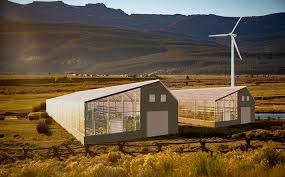
Once energy efficiency is optimized, green dispensaries begin integrating renewable energy systems that align with their operations’ needs. Solar power is one of the most common solutions due to its accessibility and scalability. Rooftop solar panels or nearby solar arrays can generate a significant portion of the power needed for daily functions such as lighting, HVAC systems, security features, and point-of-sale systems. Some dispensaries invest in battery storage technology to capture excess solar energy for evening or cloudy-day use, allowing for greater energy independence. In areas with favorable wind conditions, small-scale wind turbines can be added to supplement solar power. By combining multiple renewable sources, dispensaries create a more resilient energy system that reduces dependency on the conventional grid. Businesses such as Green NV Rainbow dispensary in Las Vegas demonstrate how renewable energy adoption can go hand in hand with modern technology and efficient business operations. Integrating renewable energy not only provides cost savings but also boosts brand reputation as consumers support environmentally conscious companies.
Using Smart Technology to Manage Renewable Resources
To get the most out of renewable energy, green dispensaries rely on innovative technologies that monitor, control, and optimize energy use. Advanced energy management systems track how much power is produced and consumed throughout the day. These systems can automatically allocate energy to high-demand areas during peak production times. For example, during midday, when solar output is highest, dispensaries might schedule energy-intensive processes such as climate adjustments or equipment sterilization. Smart sensors regulate lighting levels and temperature based on real-time data, ensuring no energy is wasted in empty rooms or on unnecessary operations. Some dispensaries participate in demand response programs, voluntarily reducing energy usage during peak grid demand in exchange for utility incentives. This further enhances sustainability while supporting local energy stability. Smart grids and connected technologies enable renewable energy systems to operate at maximum efficiency, creating a seamless, automated flow of energy. By combining renewable power with intelligent management, dispensaries maintain consistent performance while dramatically reducing environmental impact.
Sustainable Cultivation and Resource Conservation
Green energy integration doesn’t stop at power generation—it also extends to cultivation practices. Indoor cannabis cultivation is traditionally energy-intensive, relying on continuous lighting and climate control. Green dispensaries adopt energy-efficient LED grow lights that simulate natural sunlight while consuming less power. These lights can be adjusted for spectrum and intensity based on each growth stage, improving plant health and reducing electricity usage. Advanced HVAC systems are designed to stabilize temperature and humidity without excessive energy consumption. Water conservation is another key element, with dispensaries implementing drip irrigation systems, moisture sensors, and rainwater harvesting to minimize waste. Some facilities utilize closed-loop systems that recycle water and capture condensation from dehumidifiers. Cultivation rooms are designed with airtight insulation to maintain stable climate conditions and prevent energy loss. When combined with renewable energy sources, these sustainable cultivation practices significantly reduce the environmental impact of production. By addressing both energy usage and resource management, green dispensaries create a more responsible and efficient operational model.
Community and Financial Benefits of Renewable Integration
The integration of renewable energy not only supports environmental goals but also strengthens community relationships and financial stability. Consumers are increasingly mindful of sustainability and prefer to support businesses that operate with transparency and responsibility. Green dispensaries often share their environmental achievements through in-store displays or digital platforms, helping customers understand the positive impact of their purchases. This transparency builds trust and brand loyalty. Additionally, renewable energy reduces long-term operating costs by decreasing reliance on utility power and minimizing vulnerability to rising energy prices. Federal, state, or local incentives such as tax credits and grants make renewable installations more affordable for dispensaries. Some companies even generate surplus energy and sell it back to the grid. By demonstrating sustainability leadership, green dispensaries influence industry standards and inspire other businesses to adopt renewable practices. They become role models, showing that economic success and environmental responsibility can coexist in meaningful, practical ways.
Leading the Way Toward a Cleaner Future
Green dispensaries are proving that sustainability and innovation can reshape the cannabis industry for the better. By first focusing on energy efficiency and then integrating renewable sources such as solar and wind, they significantly reduce environmental impact while maintaining reliable operations. Innovative technologies enhance these efforts by optimizing energy use, improving performance, and supporting long-term savings. In cultivation, sustainable resource management further strengthens environmental stewardship. These practices not only benefit the planet but also attract conscious consumers, reduce costs, and support healthier communities. As more dispensaries embrace renewable energy, the industry moves toward a cleaner, more responsible future. Green dispensaries stand as powerful examples of how environmental responsibility can be seamlessly integrated into modern business operations, creating lasting benefits for both the planet and the people they serve.
