
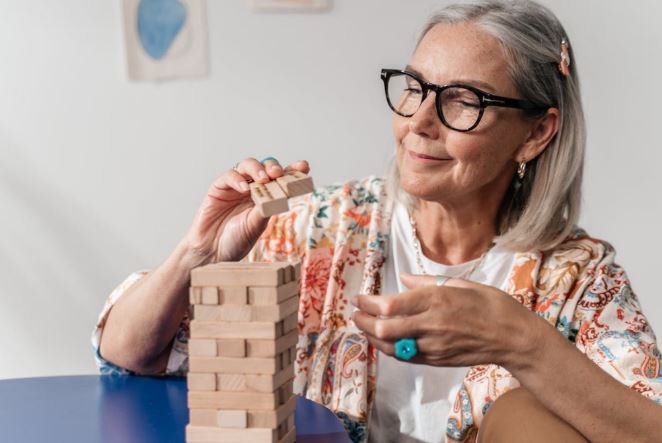
Staying active is essential at every stage of life, but it becomes especially important as people age. Regular physical, mental, and social engagement supports mobility, cognitive health, emotional well-being, and overall quality of life. Senior living communities are designed with these goals in mind, creating environments that encourage older adults to remain engaged, purposeful, and energetic. By offering structured programs, accessible spaces, and a supportive atmosphere, these communities help residents maintain active lifestyles while enjoying comfort and peace of mind.
Purposeful Design That Encourages Movement
One of the most effective ways senior living communities promote activity is through thoughtful design. Living spaces are often intentionally laid out to support safe and comfortable movement. Wide hallways, handrails, well-lit corridors, and easily accessible outdoor areas encourage residents to move about freely without fear of injury. Many communities also include walking paths, landscaped courtyards, and fitness rooms tailored to the needs of older adults. These spaces motivate residents to incorporate physical activity into their daily routines, whether through a morning stroll, light stretching, or low-impact exercise classes. Communities such as The Landing of Brighton prioritize environments where movement feels natural rather than forced, making daily activity part of everyday life instead of an obligation.
Structured Fitness and Wellness Programs
Beyond physical spaces, senior living communities typically offer structured wellness programs that make staying active both achievable and enjoyable. These may include chair yoga, water aerobics, balance training, tai chi, and guided strength exercises designed specifically for aging bodies. Certified instructors ensure that programming is safe, adaptable, and encouraging for individuals at various mobility levels. Wellness initiatives often extend beyond physical fitness to include preventive health measures such as health screenings, nutrition education, and fall-prevention workshops. By focusing on holistic wellness, communities help residents build strength, flexibility, and confidence—key components of long-term independence. Regular scheduling also establishes healthy routines, making it easier for residents to remain consistent with their activity levels.
Social Engagement That Inspires Participation
Physical activity is only one aspect of staying active. Social engagement plays an equally important role in sustaining motivation and emotional health. Senior living communities foster connection through shared experiences, group events, and collaborative activities that provide purpose and interaction. Clubs, game nights, discussion groups, volunteer projects, and cultural outings offer residents opportunities to stay mentally sharp while forming meaningful relationships. When activity is shared, it often feels more enjoyable and less intimidating. Having peers to exercise with, walk alongside, or attend events together can significantly increase participation and reduce isolation. These social bonds help transform active living from a task into a lifestyle.
Opportunities for Lifelong Learning and Creativity
Staying active also means staying mentally engaged. Many senior living communities place a strong emphasis on lifelong learning and creative expression. Educational lectures, technology workshops, book clubs, language classes, and art studios challenge residents to explore new interests and continue growing intellectually. Creative pursuits such as painting, music, writing, and crafting stimulate the brain while providing a sense of accomplishment. These activities encourage focus, memory, and innovation, which contribute to cognitive health. When older adults are empowered to explore ideas and talents, they remain mentally vibrant and emotionally fulfilled, reinforcing their overall activity and engagement.
Personalized Support That Builds Confidence
An important advantage of senior living communities is the availability of personalized support. Staff members are trained to understand individual abilities, preferences, and goals, allowing activities to be adapted accordingly. This personalized approach helps residents feel capable rather than limited, which is essential for maintaining motivation. When older adults feel supported and encouraged rather than pressured, they are more likely to participate in programs and try new activities. Assistance with daily tasks, transportation, or health management frees residents from stress and fatigue, allowing them to focus their energy on staying active and enjoying life.
Conclusion
Senior living communities play a vital role in helping older adults remain active, engaged, and fulfilled. Through purposeful design, wellness programming, social opportunities, lifelong learning, and compassionate support, these communities create environments where activity becomes a natural part of everyday living. Rather than slowing down, residents are empowered to move forward with confidence, connection, and purpose. By fostering both independence and community, senior living environments help older adults thrive physically, mentally, and emotionally at every stage of aging.
