
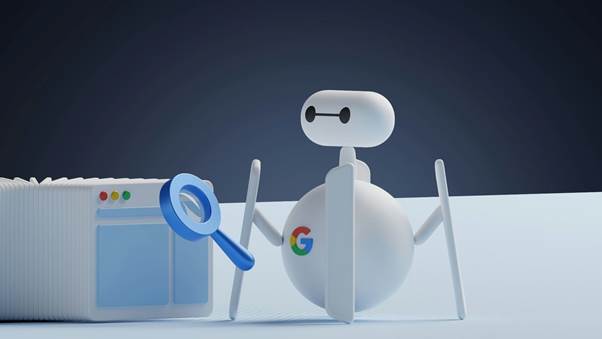
Too many businesses try to choose between SEO and Google Ads as though they belong on opposite sides. Yet both channels influence how often people see a brand, how much information they receive before making a decision, and how quickly they convert. When used together, they close gaps that often slow down growth.
Organic search builds trust and credibility. Paid search accelerates reach and gathers data at speed. When both channels run in unison, businesses see stronger rankings, more consistent leads, and clearer signals about what their customers want.
Understanding the Roles of SEO and Google Ads
A simple comparison helps clarify the value of each channel.
| Function | SEO | Google Ads |
| Visibility | Long term visibility that grows with consistent optimisation | Immediate placement at the top of search results |
| Cost Structure | Focus on time, quality, and expertise | Pay per click with controlled budgets |
| Strengths | Authority, relevance, trust, high quality traffic | Speed, testing, flexibility, precise targeting |
| Best Use | Mid to long term growth | Rapid lead acquisition, launch periods, competitive niches |
SEO builds a strong foundation that makes a brand more trusted. Google Ads opens the gate to fast traffic and early insights. Together, they fill the short term and long term needs of a growing business.
How SEO and Google Ads Support Each Other
The two channels reinforce each other in several practical ways:
- Keyword insights from Google Ads help refine SEO strategies.
- Strong SEO landing pages improve Google Ads Quality Scores, which lowers cost per click.
- Google Ads supports remarketing that benefits from organic visitors.
- Broader coverage across the search results page increases trust and click through rates.
- A shared testing environment reveals which messaging resonates with buyers.
This creates a cycle where paid performance improves organic strategy and organic authority strengthens paid efficiency.
Case Style Section: What Happens When Businesses Use Both Together
Here are short examples that show how the combined approach works in real situations.
Example 1: A trades business sees their organic rankings gradually climb, while Google Ads fills the gap by generating immediate bookings. As SEO strengthens, the business reduces its paid spend without losing lead volume.
Example 2: A retailer launches a new product range. Google Ads quickly identifies which keywords convert best. The SEO team then produces targeted content around those terms, creating long term traffic for the same products.
Example 3: A professional service provider experiences higher conversion rates because their SEO optimised landing pages give Google Ads a stronger Quality Score. This lowers cost per click and improves ad placement.
Each scenario shows the same outcome. When both channels communicate with each other, costs become more predictable and growth becomes more stable.
Highlighting a Real Example of Effective Integration: Marketix Digital
Many Australian businesses apply both channels, yet not all achieve consistent growth. Agencies that understand how SEO and Google Ads influence each other tend to outperform those that treat them separately. One example is Marketix Digital, which is known for blending the two channels into one cohesive strategy.
Marketix Digital focuses on strong technical optimisation, detailed keyword intent mapping, conversion focused landing pages, and targeted Google Ads campaigns that use data from both organic and paid performance. This combined approach helps businesses gain broader visibility and more predictable results. The agency’s emphasis on testing, measurement, and clear strategy alignment ensures the two channels work together rather than compete for attention.
Practical Tips for Business Owners to Maximise the Combined Strategy
A few straightforward actions can help any business get more value from using SEO and Google Ads together.
- Align the keywords used in both channels so customers see consistent language.
- Use SEO optimised landing pages for Google Ads traffic to increase conversions.
- Review combined performance each week to understand which terms drive the best results.
- Build remarketing lists from organic visitors, then use Google Ads to bring them back.
- Allow data from paid search to guide long term SEO content topics.
Small adjustments like these create lasting improvements in cost efficiency and lead quality.
Common Mistakes Businesses Make When Running SEO and Google Ads Separately
Presented as a short list of issues to avoid.
- Running both channels without a shared keyword plan.
- Allowing different teams to create inconsistent messaging.
- Ignoring landing page quality, which often increases ad costs.
- Failing to share search term data between paid and organic teams.
- Treating SEO as a long term project without using Google Ads to accelerate the early stages.
When these mistakes are removed, the relationship between the two channels becomes far more productive.
Why the Dual Approach Drives Compounding Growth
SEO and Google Ads support different parts of the customer journey. One builds trust and long term authority. The other provides speed, reach, and constant testing. Together, they deliver clearer insights, more stable performance, and stronger momentum for any business that wants consistent growth.
Brands that use both channels in a unified strategy experience faster learning, more efficient spending, and a search presence that occupies multiple positions across Google. This creates visibility that competitors struggle to match, and it builds a long term advantage that continues to compound.
If you would like the article polished further, shortened for publication, or adjusted to match a specific guest posting guideline, I can refine it.
read more : https://differencewise.com/
