
Key Takeaways
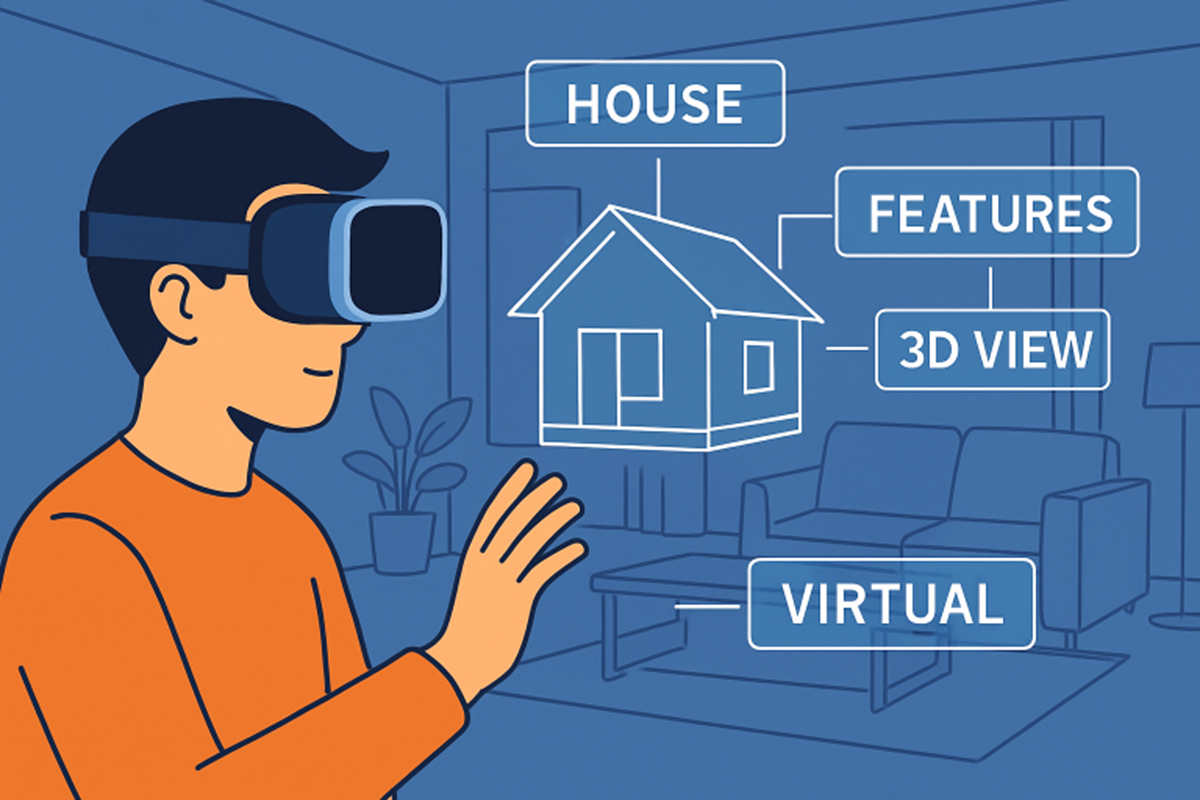
- Virtual and augmented reality technologies are revolutionizing property tours, allowing buyers to explore homes remotely.
- Artificial intelligence is personalizing property searches and streamlining transactions.
- Blockchain technology is enhancing the security and efficiency of real estate transactions.
- Mobile apps and online platforms are providing real-time access to property listings and market data.
- Smart home technologies are influencing buyer preferences and property values.
Modern home buyers face an exciting new landscape shaped by innovation, efficiency, and convenience. Rapid advances in real estate technology now empower buyers to access properties and information in ways that were unimaginable just a decade ago. From online platforms that offer instant access to listings to secure blockchain transactions, technology is redefining every part of the home-buying journey. For buyers seeking seamless, localized support, Wichita Falls TX real estate experts Bishop Realtor Group deliver both high-touch services and a tech-forward approach tailored to today’s digital landscape.
The home search has shifted from print ads and paperwork to a streamlined, often virtual experience. Today’s buyers are more informed, and agents can connect more effectively using advanced tools. Convenience, transparency, and personalization now define the process, from neighborhood research to virtual closings. With platforms that accelerate comparisons, paperwork, and deal closures, the industry is embracing faster, more secure digital transactions alongside traditional factors such as location and budget.
Virtual and Augmented Reality: Revolutionizing Property Tours
Virtual reality (VR) and augmented reality (AR) are providing immersive experiences that allow buyers to “walk through” homes from anywhere in the world. With a VR headset or even a smartphone, home seekers can explore every room, assess layouts, and even envision their furniture in the space. These tours save substantial time for both buyers and sellers, especially for long-distance transactions. By reducing the need for multiple physical visits, VR and AR are lowering costs and making property exploration more sustainable. Virtual tours have become a popular tool for buyers who want an efficient and thorough preview of homes before committing to in-person shows.
Artificial Intelligence: Personalizing the Search Process
Artificial intelligence (AI) brings unprecedented personalization to the property search. By analyzing patterns in user preferences, behavior, and location data, AI algorithms suggest homes that fit unique requirements in terms of style, commute distance, budget, and neighborhood features. These so-called “intelligent agents” predict emerging trends and even estimate property values, helping buyers make data-informed decisions. Platforms powered by AI not only highlight relevant listings but can also anticipate when a buyer is ready for the next step—such as scheduling tours or connecting with agents—which streamlines the entire house-hunting process. AI’s influence extends to mortgage approval and underwriting, with lenders harnessing machine learning to process applications quickly and identify the best financing solutions for each buyer.
Blockchain: Enhancing Transaction Security
The emergence of blockchain has revolutionized the way real estate transactions are conducted, introducing a secure, transparent, and highly efficient protocol. Blockchain distributes transaction records across a decentralized ledger, making any attempt to alter or forge information virtually impossible. This not only helps reduce fraud but also gives all parties full access to credible, immutable transaction histories. Smart contracts leverage blockchain technology to automate complex processes, such as transferring property deeds and managing escrow funds, thereby eliminating unnecessary intermediaries and delays in the closing process. As more agencies and governments adopt this technology, buyers can be assured of greater peace of mind, shorter transaction times, and significant cost savings. For a comprehensive overview of blockchain’s impact on real estate, refer to the Texas Real Estate Research Center.
Mobile Apps and Online Platforms: Real-Time Access to Listings
The widespread use of smartphones and dedicated real estate apps has revolutionized how buyers discover homes. With up-to-the-minute updates on listings, price changes, and market trends, these platforms ensure that buyers never miss an opportunity in fast-moving markets. Powerful search filters enable users to refine options by must-have amenities, school zones, or commute times, while interactive maps and neighborhood ratings offer a comprehensive picture of each area. In-app messaging, document uploads, and digital signatures facilitate seamless communication and documentation throughout the entire process, from initial inquiry to closing. This mobile-first shift empowers buyers to take control of their search and react quickly to new opportunities, further strengthening the connection between agents and clients.
Smart Home Technologies: Influencing Buyer Preferences
The popularity and influence of smart home technology have soared as buyers increasingly value automation, energy efficiency, and security. Features such as smart thermostats, lighting, voice-controlled assistants, and advanced security systems are now in high demand. These innovations don’t just offer greater convenience—they can also contribute to lower utility bills and a smaller environmental footprint. Homes equipped with integrated smart tech often stand out in the market and are likely to command higher prices. Innovative technology is becoming a decisive factor for many homebuyers, especially among the younger, tech-friendly demographic.
Conclusion
The integration of cutting-edge technology in real estate is rapidly transforming the home-buying experience, making it more transparent, secure, and personalized than ever before. Virtual reality property tours, AI-driven personalization, secure blockchain transactions, mobile-first platforms, and smart home technologies have collectively empowered buyers and changed the expectations for what a home search should be. As these innovations evolve, buyers can look forward to even more streamlined and user-friendly processes, along with unprecedented control over their journey to homeownership.
