
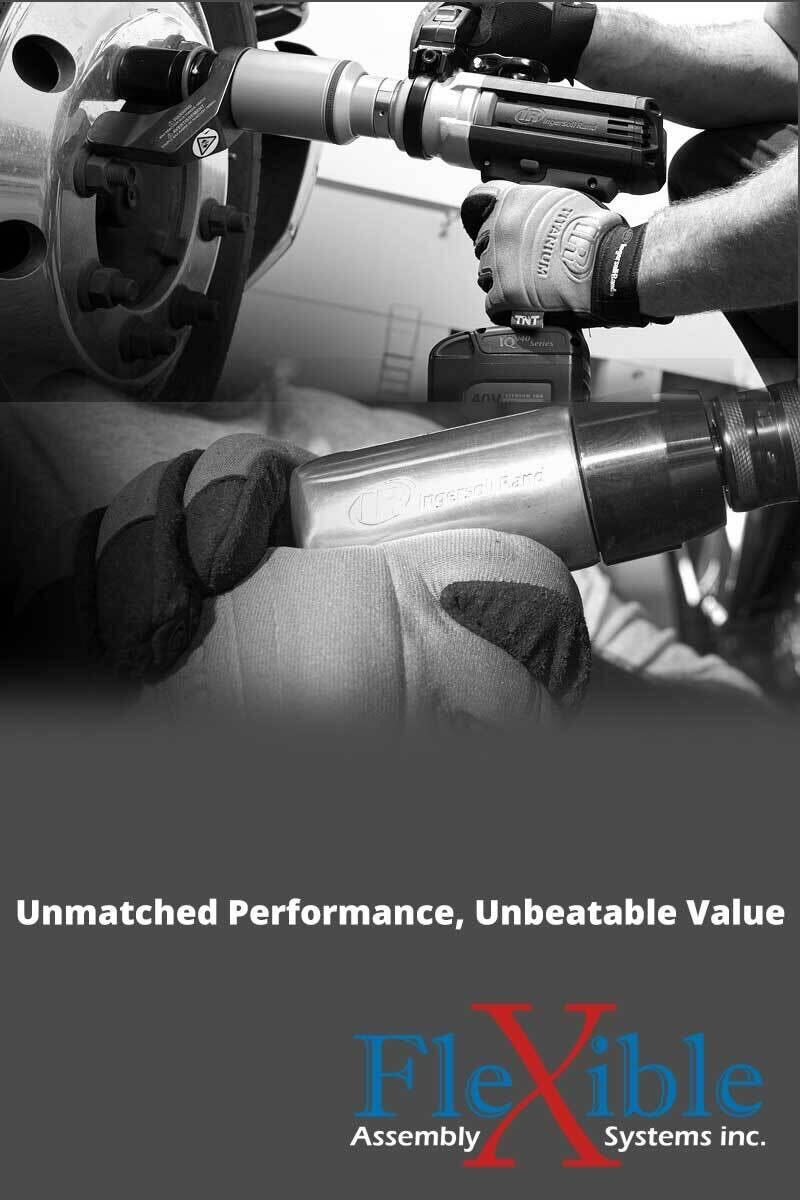
Every bolt on an assembly line plays a part in how a product works. Tighten a fastener too loose and parts might come apart. Tighten it too tight and threads may strip or break. Both problems can lead to product failure or a recall. A torque wrench helps a worker set the right force on each fastener. A torque tester checks that the tools on the line stay in spec. Together they form a solid guard against costly errors and keep output steady.
What a Torque Wrench Does?
A torque wrench looks like a long handle with a gauge or click mechanism at one end. A worker sets a value on the tool. They fit the head to a bolt and pull the handle until it clicks or the gauge hits the set mark. At that moment, the bolt has the exact force needed. If they pull harder, they risk damage or a false reading.
Why a Torque Wrench Matters
- It cuts scrap – Each wrong bolt can send a unit to rework.
- It cuts risk – A loose fastener can harm a user or break parts.
- It cuts cost – Fewer mistakes mean less wasted time and material.
What a Torque Tester Does?
A torque tester comes as a bench-top device or a station on a line. A tool or sample fastener goes in a fixture. The tester applies a twist and shows the force it took to break free. The machine may link to a screen or cloud to log results. A line supervisor sees if torque wrenches or drivers hold their set point or drift out of tune.
Why a Torque Tester Matters
- It keeps tool output steady – A worn bit or low battery can drop power.
- It links data to quality – A log can show trends across shifts or days.
- It meets audit rules – Some products need a record of tool checks.
How Torque Tools Work Together on a Line?
On a busy line you fit parts to a core. You need to set bolts and nuts at spec. You need to check that each tool gives the same output every time. A torque wrench handles each fastener. A torque tester spots any slip in tool work. You might set a check every two hours or after a batch of 100 units.
Step by Step Flow
- Set torque wrench to spec and fit it with the right head.
- Tighten each fastener until the tool signals done.
- Send every tool to a nearby tester at set times.
- Log each test result in a sheet or digital file.
- If a tool fails the test, take it out of service.
- Recalibrate or repair the tool and test again before use.
This flow keeps output tight and makes sure each part holds up. It cuts time fixing a run that went wrong.
Boost in Quality Assurance
A line that uses both tools gains a steady guard. Every unit gets the right torque. Every tool holds a set point. Data logs show trends that tell a manager if a shift needs more training or a tool needs care.
Fewer Defects
A wrong torque can warp a part or leave a gap. You may see leaks, noise or early wear. Those defects slow your line and erode your brand trust. When you use torque wrenches and testers, you see a clear drop in scrap or field failures.
Better Traceability
Data from a tester links a batch to a tool check time. If a field issue pops up, you trace back to the last test. You can spot if a slip in tool output led to a loose bolt. That info helps you correct one batch instead of a full recall.
Tool Care and Cost Control
Tools take a hit day after day. A driver bit or the head on a wrench wears. Dirt, oil or heat add extra stress. A test routine shows when a tool drifts off spec. You repair before a run of 500 units goes off spec. That step saves time and cost in repairs and rework.
Best Practices for Line Integration
- Tool Plan – Make a chart of each torque spec on your products. Note the type of tool you use and how often you test.
- Safe Zone – Set up a marked space near the line for tests. A worker brings one tool at a time for a quick check.
- Data Link – Use a form or simple software to log readouts. Add date, time, tool ID, and operator name for each record.
- Fix Fast – When a tool fails a test, pull it from the line at once. Send it to a kit for cleaning or repair. Mark it done and keep a test sheet for the fix.
- Teach Teams – Show all staff how to set a wrench and test a driver. Run drills until each person feels sure. A clear mark on the tool guide helps avoid mistakes.
Why Choose Flexible Assembly Systems?
Flexible Assembly Systems has run test and wrench setups for lines in many fields. We know how to plan a tool flow so your team hits each spec with less fuss. You gain:
- Expert support on tool choice and spec planning
- Fast setup of test stations right on your line
- A clear data link so you see trends each day
- On-call service that fixes tools or adds a head in hours
- Training that gets each operator up to speed with less hands-on time
We work with your shop size and setup. We fit a plan that keeps your team focused on output, not tool care. Each item you ship meets a tight standard set by you and your clients.
What tool checks have you tried on your line? Do you track test data in a sheet or software? Share your thoughts or questions below. We are here to help you set every fastener with confidence.
