
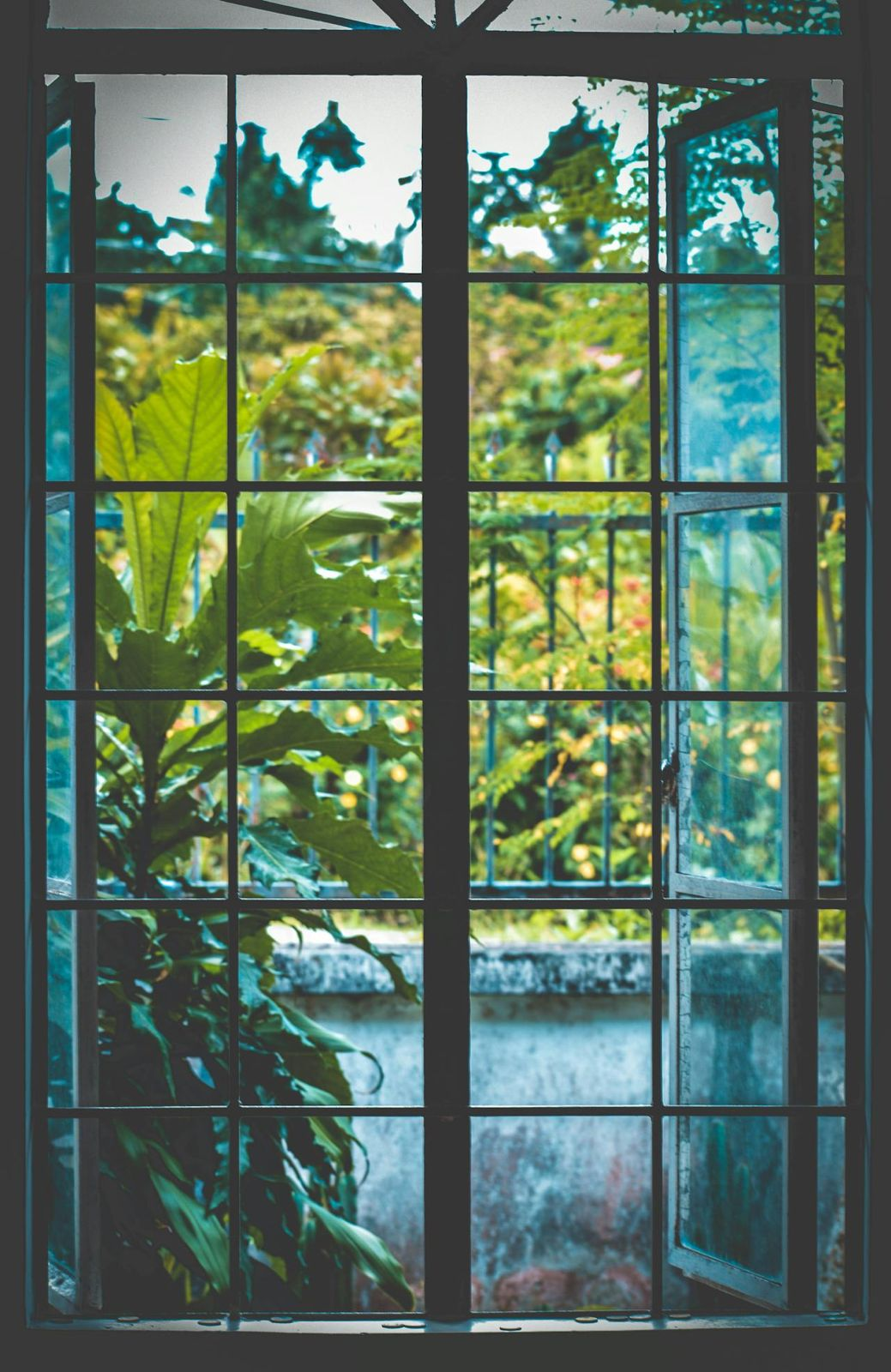
Windows are more than just a design feature—they play a critical role in your home’s energy efficiency. Old or poorly insulated windows can cause significant energy loss, forcing your heating and cooling systems to work harder and driving up utility bills. Upgrading your windows is one of the most effective ways to reduce electricity consumption and create a more comfortable living environment. Here’s how new windows can make a big difference.
Reduce Heat Loss and Gain
Windows are a major source of heat transfer. In winter, outdated windows allow warm air to escape, while in summer, they let heat in. This constant exchange forces your HVAC system to run longer, consuming more electricity.
Modern windows are designed with advanced insulation features, such as double or triple glazing and low-emissivity (Low-E) coatings. These technologies minimize heat transfer, keeping your home warmer in winter and cooler in summer. The result? Lower energy usage and reduced strain on your heating and cooling systems.
Improve HVAC Efficiency
When your windows leak air or fail to block heat effectively, your HVAC system compensates by running more frequently. This not only increases electricity consumption but also shortens the lifespan of your equipment. Upgrading to energy-efficient windows helps maintain a stable indoor temperature, allowing your HVAC system to operate more efficiently. Over time, this can lead to significant savings on both energy bills and maintenance costs.
Take Advantage of Natural Light
New windows can also help you save electricity by maximizing natural light. Larger, strategically placed windows reduce the need for artificial lighting during the day. Energy-efficient glass options allow sunlight in while minimizing heat gain, so you can enjoy bright spaces without compromising comfort.
Reduce Drafts and Air Leaks
Drafts are a common problem with older windows, and they can dramatically affect your home’s energy efficiency. Even small gaps around frames allow conditioned air to escape, wasting electricity and making your home less comfortable. Professional window replacement eliminates these leaks by ensuring a tight seal and proper installation. Modern frames and weatherstripping provide superior protection against drafts, helping you maintain consistent indoor temperatures without overworking your HVAC system.
Lower Your Carbon Footprint
Reducing electricity usage isn’t just good for your wallet; it’s good for the planet. Energy-efficient windows decrease your reliance on heating and cooling systems, which in turn reduces greenhouse gas emissions. By upgrading your windows, you’re making a sustainable choice that benefits both your home and the environment.
Many energy-efficient windows are ENERGY STAR® certified, meaning they meet strict standards for performance and sustainability. Choosing these products ensures you’re investing in quality and environmental responsibility.
read more : 7 Health Risks Linked to Long-Term Mould Exposure
Conclusion
Upgrading your home’s windows is one of the smartest ways to save electricity and improve comfort. Energy-efficient windows reduce heat transfer, eliminate drafts, and allow natural light to brighten your space; all while lowering your utility bills. Whether you’re looking to cut costs, boost HVAC efficiency, or reduce your carbon footprint, new windows offer long-term benefits that make the investment worthwhile. Start exploring your options today and enjoy a more energy-efficient home for years to come.
