
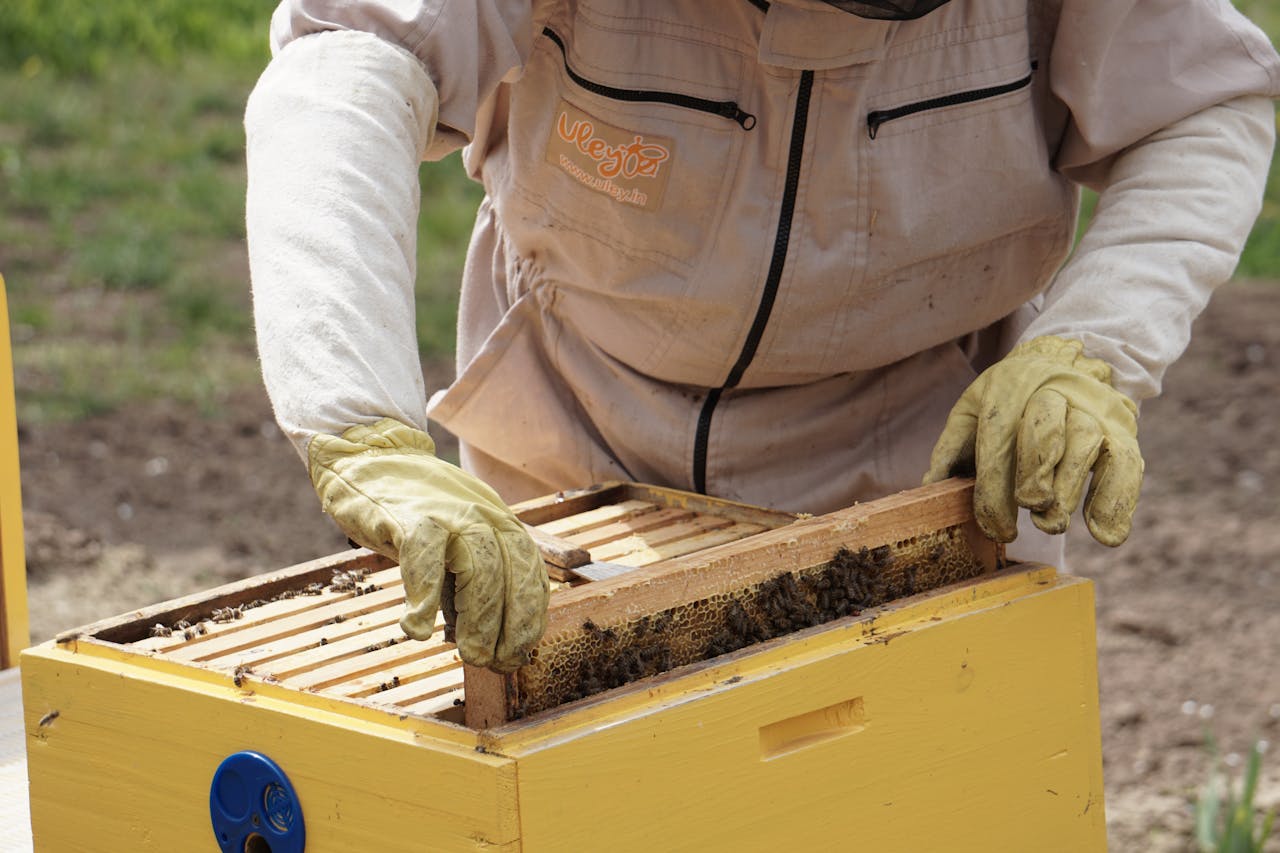
Natural honey has become increasingly popular as people look for healthier, more sustainable alternatives to processed sweeteners. Raising your own bees gives you complete control over the quality, purity, and source of your honey. Beyond honey production, beekeeping supports pollination and local ecosystems. While the idea may seem intimidating at first, many beginners find it surprisingly approachable. With the right knowledge and preparation, anyone can start raising bees at home.
Understanding the Basics of Beekeeping
Beekeeping involves maintaining a managed colony of honey bees in a hive. The bees work together to collect nectar, produce honey, and care for the colony. As a beekeeper, your role is to provide a safe environment and monitor hive health. Successful beekeeping relies on understanding bee behavior and seasonal cycles. Learning the fundamentals early helps prevent common beginner mistakes.
Choosing the Right Location for Your Hive
Selecting the right location is essential for a healthy hive. Bees need access to flowering plants, clean water, and shelter from strong winds. A sunny area with partial shade often works best. The hive should also be positioned away from heavy foot traffic for safety. Proper placement reduces stress on the bees and makes hive inspections easier.
Getting the Right Equipment
Starting beekeeping requires a handful of essential equipment. Hives, frames, protective clothing, and basic tools are needed to manage the colony safely. Investing in quality beekeeping supplies ensures durability and protection for both the bees and the beekeeper. Beginners should start simple and upgrade tools as experience grows. Proper equipment makes hive maintenance more efficient and less stressful.
Selecting Your Bees
Choosing the right bees is an important early decision. Most beginners start with packaged bees or nucleus colonies called nucs. Different bee species offer varying temperaments and productivity levels. Some bees are more gentle and easier for beginners to manage. Selecting bees suited to your climate improves survival and honey production.
Installing and Caring for Your Hive
Once the hive is set up, installing the bees correctly is key. This process should be done calmly to avoid stressing the colony. Regular inspections help ensure the queen is healthy and the colony is growing. Monitoring for pests and disease protects long-term hive health. Consistent care strengthens the colony and increases honey yield.
Understanding Seasonal Responsibilities
Beekeeping changes throughout the year. Spring focuses on colony expansion and population growth. Summer is peak honey production and requires frequent monitoring. Fall preparation is critical for winter survival, including feeding and insulation. Winter maintenance involves minimal disturbance while ensuring adequate food stores. Understanding seasonal responsibilities helps maintain healthy bees year-round.
Harvesting Your Honey
Harvesting honey is one of the most rewarding aspects of beekeeping. Honey should only be collected once the colony has sufficient reserves. Proper extraction techniques prevent harm to the bees and preserve honey quality. Timing and patience are essential during the harvest process. Responsible harvesting ensures sustainability for future seasons.
Benefits Beyond Honey Production
Beekeeping offers benefits beyond producing honey. Bees improve pollination for gardens, crops, and local plants. Many beekeepers find the practice relaxing and educational. It also encourages environmental awareness and responsibility. Keeping bees builds a strong connection to nature and food systems.
Learning and Growing as a Beekeeper
Education is ongoing in beekeeping. Local clubs, workshops, and experienced mentors provide valuable guidance. Keeping records helps track hive health and progress. Mistakes are part of the learning process and improve future success. Over time, confidence and skill grow naturally.
Conclusion
Raising your own bees is a rewarding way to enjoy natural honey while supporting the environment. With proper planning, patience, and consistent care, beekeeping can become an enjoyable long-term hobby. Starting small allows you to learn without becoming overwhelmed. Bees offer both practical benefits and personal fulfillment. Choosing to raise bees is a meaningful step toward sustainable living.
