
Maintaining a sterile environment in healthcare facilities is paramount to patient safety and infection control. Traditional cleaning methods, while effective, are continually being enhanced by innovative protocols that leverage advanced technologies and methodologies. Partnering with experienced providers such as Elite Cleaning Service, which offers specialized healthcare facility cleaning services, helps medical facilities maintain rigorous hygiene standards, support regulatory compliance, and create safer environments for patients, staff, and visitors. Implementing specialized healthcare facility cleaning services is essential in ensuring these environments remain safe and compliant.
Automated Disinfection Systems
One significant advancement is the adoption of automated disinfection systems. For instance, the Journal of Visualized Experiments (JoVE) published a clinical protocol detailing the use of aerosolized hydrogen peroxide (aHP) for hospital room disinfection. This method has shown efficacy in reducing multidrug-resistant organisms in high-risk settings.
Aerosolized hydrogen peroxide works by distributing a fine mist throughout the treated area, ensuring that even hard-to-reach surfaces are thoroughly disinfected. This approach reduces human error, often associated with manual cleaning. Automated disinfection systems can be precisely calibrated and their efficacy monitored through biological indicators, ensuring a consistent level of microbial reduction. Hospitals adopting these systems have reported measurable improvements in cleanliness, reduced risk of cross-contamination, and increased patient confidence in facility safety.
Ultraviolet-C (UV-C) Light Technology
Another breakthrough is the implementation of UV-C light technology. Hospitals worldwide have reported significant reductions in healthcare-associated infections (HAIs) after integrating UV-C disinfection into their cleaning protocols. For example, Trinity Health experienced a 47% decrease in HAIs upon adding pulsed xenon UV disinfection to its routine.
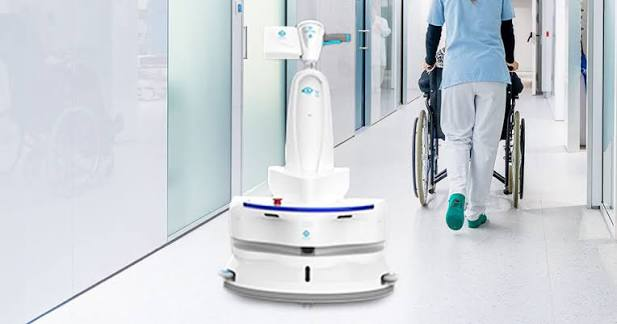
UV-C light technology disrupts the DNA and RNA of bacteria, viruses, and fungi, rendering them inactive and incapable of reproduction. As an added advantage, UV-C systems can disinfect entire rooms in minutes. Hospitals can use portable UV-C robots to rotate through patient rooms, surgical suites, and high-traffic common areas. This method is particularly valuable after outbreaks or when treating patients with highly contagious diseases. Notably, UV-C technology is chemical-free, reducing the facility’s reliance on harsh disinfectants and supporting environmentally friendly cleaning protocols.
Airborne Pathogen Control
Controlling airborne pathogens is also crucial. Henry Ford Health hospitals have installed UV Angel Clean Air™ systems, which use UV-C light to neutralize airborne pathogens, thereby enhancing indoor air quality and supporting existing infection prevention efforts.
Airborne disinfection systems are designed to operate continuously, scrubbing the air of microorganisms and reducing the risk of airborne transmission of illnesses such as influenza, COVID-19, and tuberculosis. These systems are increasingly integrated with heating, ventilation, and air conditioning (HVAC) technologies, greatly reducing the risk of outbreaks in waiting rooms, intensive care units, and surgical theaters. Advanced air filtration is now often combined with humidity controls and HEPA filters to target a broader range of particles, dust, and microbial threats.
High-Level Disinfection of Medical Equipment
Ensuring the sterility of medical equipment is vital. The American Institute of Ultrasound in Medicine (AIUM) has updated its guidelines to include chlorine dioxide for the high-level disinfection of ultrasound probes, offering a safe, cost-effective alternative to traditional methods.
Chlorine dioxide is known for its rapid antimicrobial activity at low concentrations, enabling short turnaround times between uses. In busy healthcare settings, this efficiency is essential for operational workflow. Updated disinfection protocols must be accompanied by comprehensive training to help staff recognize the importance of contact time, concentration, and proper storage of disinfected items. In surgical and diagnostic settings, strict adherence to protocols minimizes healthcare-acquired infections and protects vulnerable patient populations.
Emerging Technologies and Protocols
The field of healthcare facility cleaning continues to evolve through the integration of new smart technologies. Remote monitoring and digital checklists are increasingly used to track cleanliness in real-time. IoT (Internet of Things) sensors can provide feedback on room occupancy and cleaning schedules, ensuring that high-touch areas are prioritized based on actual usage. Robotics, artificial intelligence, and data analytics are playing an ever-larger role in optimizing workflows, reducing costs, and enhancing compliance with infection control standards.
One notable example of innovation is the use of antimicrobial surfaces and coatings that inhibit microbial growth between cleaning cycles. Hospitals are testing copper-alloy surfaces or surfaces treated with persistent antimicrobial agents for doorknobs, bed rails, and light switches. While these are not substitutes for routine cleaning, they provide an extra layer of defense and help to break the chain of infection.
Role of Professional Cleaning Services
Implementing these advanced protocols requires expertise. Professional cleaning services are vital for healthcare facility cleanliness, providing specialized services that meet strict standards for safe environments for patients and staff. They work with infection prevention coordinators and hospital leaders to tailor cleaning protocols aligned with CDC and AHE guidance. This collaboration ensures staff training, adoption of best practices, and the latest effective cleaning protocols. Employee background checks, ongoing education, and healthcare cleaning certifications help facilities stay compliant and trusted.
Conclusion
Innovative cleaning protocols are transforming healthcare facility maintenance, significantly reducing infection risks and enhancing patient safety. Embracing these advancements, in conjunction with professional providers such as Elite Cleaning Service, is essential for maintaining modern healthcare environments that prioritize cleanliness, compliance, and infection prevention.
Ultimately, integrating advanced cleaning technologies with expert service is a proactive investment in the health and well-being of everyone in a healthcare facility. By partnering with experienced professionals like Elite Cleaning Service and staying informed about evolving healthcare standards, organizations can continue to uphold the highest levels of infection prevention, patient safety, and environmental hygiene for years to come.
