

Table of Contents
- Understanding the Risks
- Implementing Advanced Fall Protection Systems
- Utilizing Rope Access Techniques
- Leveraging Technology for Safety
- Comprehensive Training Programs
- Regular Equipment Inspections
- Emergency Response Planning
- Conclusion
Ensuring worker safety while maintaining productivity is vital when tasks require operating above ground level. From construction to facility maintenance, the hazards of working at height demand specialized equipment and protocols. Selecting the right tools, such as a rolling step ladder, implementing advanced safety systems, and adopting rigorous procedures can significantly minimize risks. Focusing on safe practices not only prevents life-altering incidents but also fosters a more efficient work environment for everyone involved.
Several key strategies, ranging from integrating new technology to comprehensive staff training, are central to safe operations at height. These solutions address the unique hazards posed by falls, unstable surfaces, changing weather, and equipment malfunction. By proactively managing these factors, organizations build robust frameworks for risk prevention and increase operational efficiency. Regular review of safety standards and ongoing investment in high-quality gear are crucial to maintaining a safe workspace. Every successful safety program also hinges on open communication and thorough planning. Understanding both the direct and indirect risks associated with height ensures that precautionary measures extend beyond just basic equipment. Companies that reinforce safety culture through systematic approaches see not only fewer incidents but also higher morale and productivity among workers. According to OSHA guidelines, prioritizing preventive steps and involving employees in safety decisions leads to continuous improvement in workplace hazard management. When safety becomes an everyday habit rather than just a compliance checkbox, businesses are better positioned to adapt to changing job site demands. Technologies such as AI-powered hazard detection, alongside traditional measures like routine gear checks and hands-on training, fortify defense against accidents. This holistic approach is especially important when multiple workers operate in elevated or complex environments.
Understanding the Risks
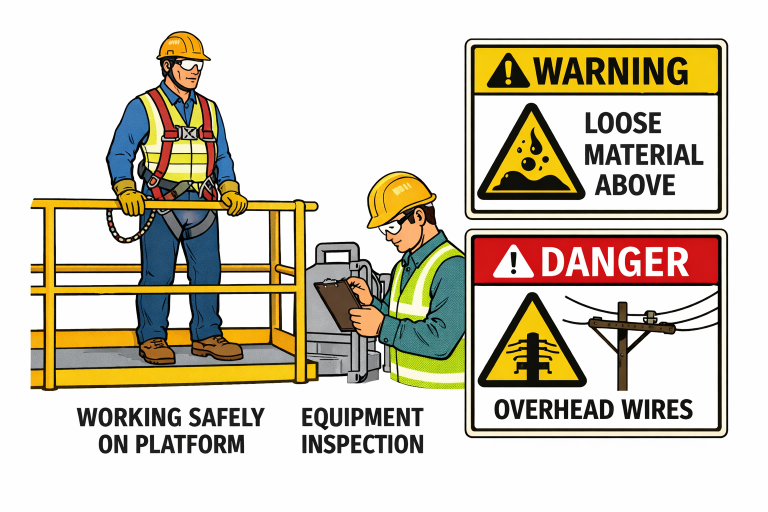
Working at height introduces serious hazards. The most common danger is falling, whether caused by unstable platforms, sudden movements, adverse weather, or incorrect equipment use. According to the Health and Safety Executive, 35 worker deaths in the UK during 2024/25 resulted from such falls, underscoring their prevalence. The risk landscape is complex, loose materials, electrical lines, or uneven surfaces can turn routine tasks into high-risk situations within seconds. Proper hazard assessment is the foundation of an effective fall prevention program.
Implementing Advanced Fall Protection Systems
Modern fall protection has advanced far beyond basic harnesses and guardrails. Innovations like the FASTN system for Mobile Elevating Work Platforms (MEWPs) add critical layers of safety. This system provides audible and visual cues that alert operators immediately if they are not securely attached to the platform, thereby intervening before an accident occurs. Mobile equipment, fixed ladders, and scaffolding can all benefit from integration with smart lockdown devices, especially in high-traffic, busy worksites. Forward-thinking organizations also complement these systems with rigorous worker compliance monitoring and written operating procedures.
Utilizing Rope Access Techniques
Rope access provides an adaptive, efficient alternative for tasks where traditional means, such as scaffolding, are impractical. Trained technicians using these methods can quickly transition between multiple work areas, reducing setup times and disruptive site traffic. Safety in rope access rests on multilayered controls: internationally recognized training, strict adherence to operational protocols, ongoing supervision, and the use of backup safety lines are non-negotiable. This approach, standardized by organizations such as the Industrial Rope Access Trade Association, enables exceptional productivity and reduces the risk of falls or equipment failures.
Leveraging Technology for Safety
Digital transformation continues to redefine workplace safety. Artificial intelligence-based systems can predict hazardous conditions by analyzing worksite data and alerting workers to potential threats. The Human-Agent Risk Navigation and Event Safety System (HARNESS) employ algorithms to scan real-time inputs and alert workers before risks escalate. Mobile apps, wearable devices, and automated incident logs are increasingly common, adding new insights and accountability to daily operations. Technology’s greatest asset is its ability to facilitate proactive intervention, spotting patterns and impending dangers that would otherwise go unnoticed.
Comprehensive Training Programs
Effective training is a cornerstone of successful height safety management. Thorough instruction empowers employees to recognize hazards, properly operate all equipment, and respond confidently in emergencies. Simulation exercises are particularly effective at creating realistic job-site scenarios for workers to navigate. This hands-on experience instills proper behavior and builds muscle memory, which pays off under stress or when split-second decisions are required. Employers should mandate periodic refresher courses and encourage open dialogue about near-misses and safety improvements. Mandatory participation in safety drills and transparent sharing of lessons learned reinforce a culture of accountability and vigilance.
Regular Equipment Inspections
Routine inspection and maintenance of all height-related equipment are vital. By verifying that platforms, ladders, harnesses, and ropes are free of wear or defects before each use, companies prevent minor issues from escalating into serious incidents. A methodical checklist-based system ensures consistency and thoroughness. If inspections identify a problem, the affected gear must be immediately tagged out of service and replaced or repaired before any further use. Outsourcing equipment checks to certified professionals or specialized third-party services can increase reliability and provide valuable documentation for regulatory compliance.
Emergency Response Planning
Preparation is key when incidents do occur. Emergency response plans must detail clear communication channels, first-aid protocols, designated evacuation routes, and pre-assigned roles for team members. Such plans should be regularly tested through mock scenarios and drills, ensuring every worker knows their responsibility in the event of an accident. A well-equipped first-aid station and quick access to external emergency services are mandatory for a compliant and effective response. Regular updates to plans, based on lessons learned and regulatory changes, enable organizations to respond effectively and minimize potential harm. For comprehensive guidelines on emergency response preparation, see the CDC NIOSH Falls Program’s advice.
Conclusion
Achieving safety and efficiency when working at height requires continuous commitment and a holistic approach. By adopting advanced fall protection systems, skilled rope access practices, technology-driven monitoring, comprehensive training, equipment inspections, and robust emergency planning, organizations can drastically reduce risks. Investing in prevention not only safeguards lives but also streamlines operations and sustains productivity in challenging environments.
