
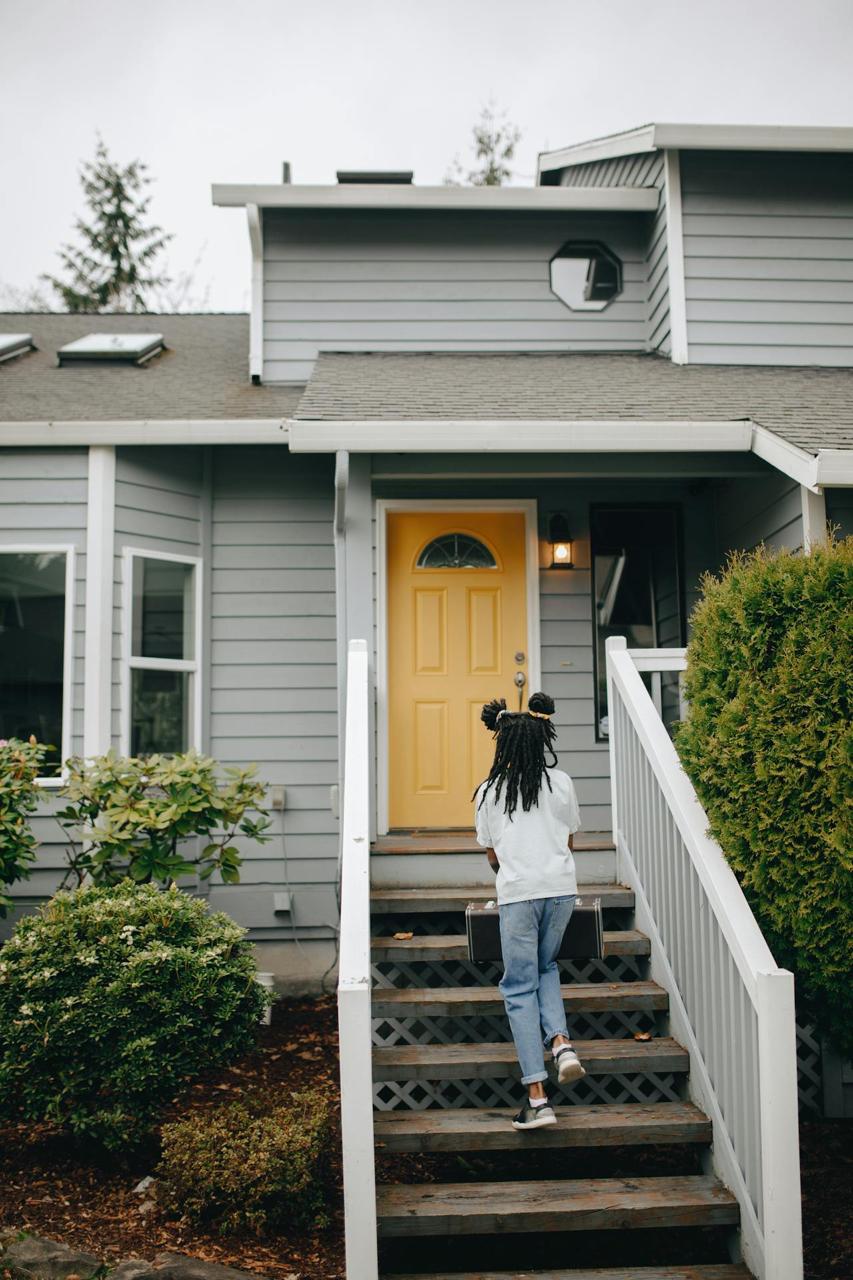
Siding plays a critical role in protecting your home from the elements while also contributing to its curb appeal. Over time, even the most durable siding materials can wear down, leading to issues that affect both appearance and performance. Knowing when it’s time to replace your siding can help prevent costly damage and improve your home’s value. Here are some of the most common signs that your siding may need attention.
Visible Cracks and Warping
One of the most obvious indicators of siding damage is cracking or warping. These issues often result from prolonged exposure to moisture, extreme temperatures, or physical impact. Cracks can allow water to seep behind the siding, leading to mold, rot, and structural damage. Warped panels may also signal deeper problems, such as poor installation or hidden moisture. If you notice these signs, it’s important to have a professional inspection to determine whether repair or full replacement is necessary.
Fading and Discoloration
Siding is designed to withstand sunlight, but over time, UV exposure can cause colors to fade. While some fading is normal, excessive discoloration may indicate that the siding has reached the end of its lifespan. Faded siding can make your home look older and less maintained, which may affect resale value. If your siding has lost its vibrancy and no longer complements your home’s exterior, it might be time to explore new materials and colors that offer better longevity and style.
Increased Energy Bills
Damaged or aging siding can compromise your home’s insulation, leading to higher heating and cooling costs. If you’ve noticed a spike in your energy bills without a clear explanation, your siding could be part of the problem. Gaps, cracks, or deteriorated materials allow air to escape, forcing your HVAC system to work harder. Replacing old siding with modern, insulated options can improve energy efficiency and reduce monthly expenses. It’s a smart investment that pays off in both comfort and savings.
Mold, Mildew, or Rot
Moisture is the enemy of healthy siding. If you see signs of mold, mildew, or rot—especially near seams or joints—it’s a strong indication that water is getting behind the panels. These issues not only affect the siding itself but can also spread to underlying structures, causing serious damage. Addressing moisture problems early is essential. In many cases, replacement is the best solution to ensure your home stays dry and structurally sound.
Frequent Maintenance and Repairs
If you find yourself constantly patching, painting, or cleaning your siding, it may be more cost-effective to replace it altogether. Modern siding materials require less upkeep and offer better resistance to weather and wear. Homeowners in Kansas can benefit from working with experienced siding companies in Wichita to explore durable, low-maintenance options that suit their climate and style preferences. Similarly, homeowners in Georgia can elevate their home exteriors by working with skilled deck builders in Atlanta who can coordinate deck installations or renovations alongside siding replacement projects. Professional guidance ensures a smooth installation and long-lasting results.
Conclusion
Your home’s siding is more than just a decorative feature; it’s a vital layer of protection. Recognizing the signs of wear and damage can help you take timely action and avoid more serious issues down the road. Whether it’s visible cracks, fading, moisture problems, or rising energy costs, replacing your siding can restore your home’s beauty and performance. With expert help, you can choose materials that enhance your home and stand the test of time.
