
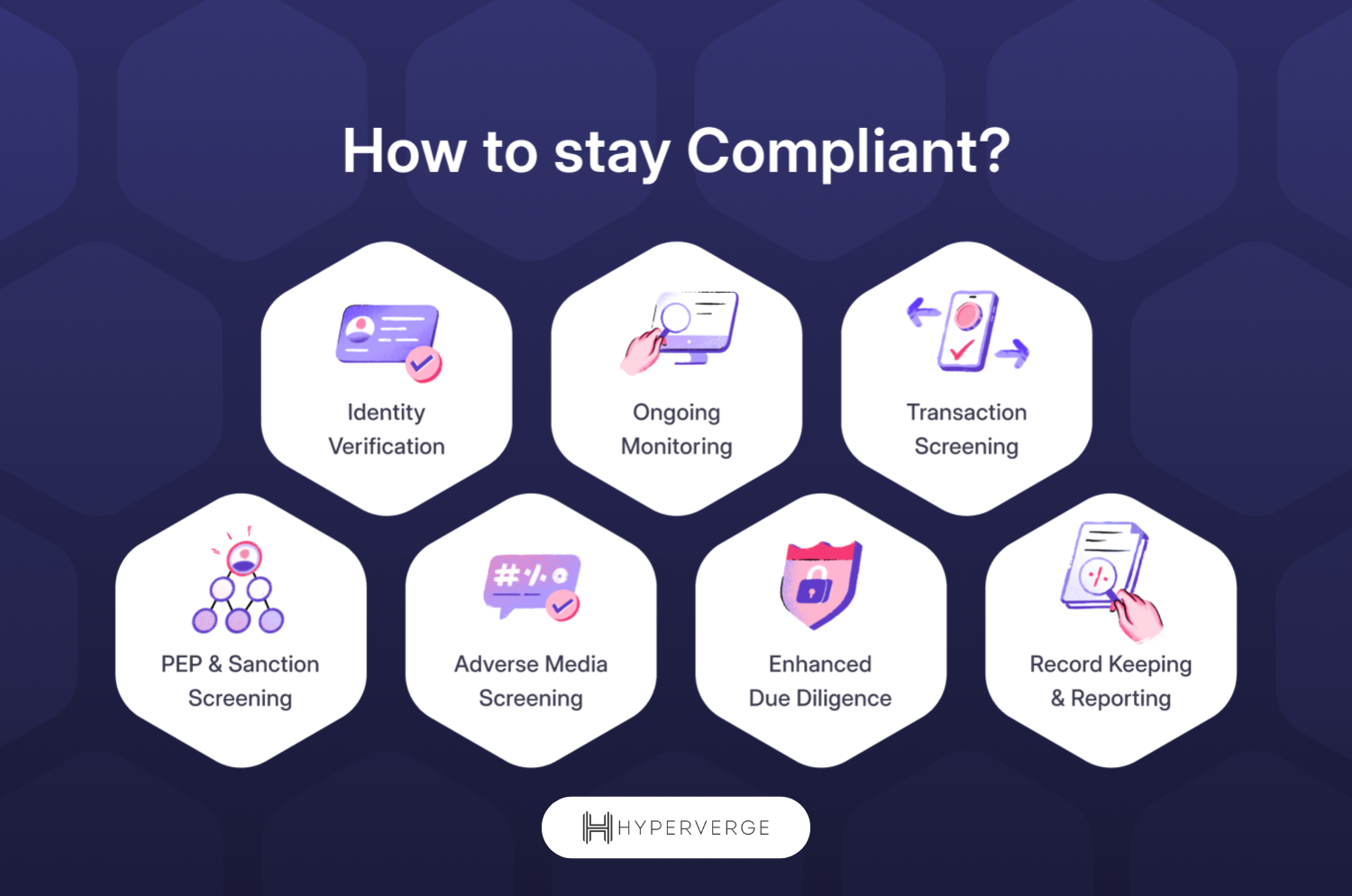
In the financial sector, following regulations isn’t just a legal requirement; it’s key to building trust and running smoothly. Banks and financial institutions process huge numbers of transactions every day, often with clients and partners from different countries. Making sure all these transactions are safe and comply with laws can be challenging. That’s why watchlist screening software is so important.
This software helps by automatically checking clients and transactions against global watchlists, reducing the risk of money laundering, fraud, terrorist financing, and other financial crimes.
In this blog, we’ll explain why watchlist screening software is important for financial institutions, how it helps ensure compliance, reduce risks, and improve efficiency.
Understanding Watchlist Screening
At its core, watchlist screening involves comparing client data, such as names, addresses, or company details, against databases of known high-risk individuals or entities. These databases may include:
- Sanctions lists issued by governments or international organizations
- Politically Exposed Persons (PEPs) lists, identifying individuals who hold public office and may pose corruption risks
- Adverse media sources, highlighting individuals or entities associated with illegal activities
- Law enforcement watchlists, tracking individuals under investigation
By screening clients against these sources, financial institutions can detect and prevent potentially risky or illegal transactions before they occur.
This process is critical for meeting compliance standards, protecting the institution’s reputation, and safeguarding the broader financial ecosystem.
The Importance of Watchlist Screening Software in Financial Compliance
To understand why watchlist screening software is so crucial, it helps to look at the key ways it supports financial institutions in staying compliant, managing risks, and protecting against financial crimes.
1. Ensuring Regulatory Compliance
Regulatory frameworks around the world, such as the USA PATRIOT Act, the EU’s 4th Anti-Money Laundering Directive, and the recommendations of the Financial Action Task Force (FATF), mandate that financial institutions implement robust anti-money laundering (AML) procedures. Failure to comply can result in heavy fines, legal penalties, and reputational damage.
Watchlist screening software ensures compliance by automatically checking clients and transactions against global watchlists in real-time.
This reduces the risk of missing a flagged individual or entity and demonstrates due diligence to regulators during audits. By leveraging such software, institutions can maintain a consistent and verifiable compliance framework across all business operations.
2. Mitigating Risks of Financial Crime
The financial industry faces constant threats from sophisticated criminal networks. Money laundering, terrorist financing, and fraud can not only cause financial losses but also damage the reputation of a financial institution.
Watchlist screening software plays a pivotal role in risk mitigation by identifying high-risk clients and transactions before they materialize into actual threats.
For example, if a bank is onboarding a new client whose name appears on an international sanctions list, the software immediately flags the account.
This proactive approach allows compliance teams to investigate and take appropriate action before any transactions occur, preventing potential legal violations or financial losses.
3. Enhancing Operational Efficiency
Manual compliance processes are not only time-consuming but also prone to human error. Screening thousands of clients and transactions without automation can lead to delays, inefficiencies, and inconsistencies.
Watchlist screening software addresses this challenge by automating the verification process. It provides instant alerts, detailed reports, and customizable workflows, allowing compliance officers to make informed decisions quickly.
By reducing manual intervention, institutions can achieve faster onboarding, smoother transaction processing, and better allocation of resources, all while maintaining high compliance standards.
4. Supporting Enhanced Due Diligence
Certain clients or transactions pose higher risks than others, such as large corporate accounts, cross-border transfers, or dealings with politically exposed individuals. Watchlist screening software offers enhanced due diligence (EDD) capabilities to handle these situations.
EDD involves conducting more thorough investigations into high-risk clients, including:
- Cross-referencing multiple databases and watchlists
- Monitoring ongoing transactions for unusual patterns
- Analyzing ownership structures and business affiliations
This layered approach ensures that financial institutions have a complete understanding of potential risks and can make decisions based on accurate, real-time data.
5. Global Coverage for Cross-Border Transactions
Financial institutions are increasingly operating in a globalized environment. Transactions often cross multiple jurisdictions, each with its own regulatory requirements and risk profiles.
Watchlist screening software provides global coverage by integrating databases from multiple countries and international organizations. This allows institutions to screen clients and transactions against the most comprehensive set of sanctions, PEP lists, and adverse media sources available.
With such global reach, banks, fintechs, and payment providers can confidently expand their services internationally while remaining compliant.
Key Features of Effective Watchlist Screening Software
To maximize its effectiveness, financial institutions should look for the following features in watchlist screening software:
- Real-Time Screening: Ensures clients and transactions are checked immediately against watchlists, minimizing delays in decision-making.
- False Positive Reduction: Advanced algorithms reduce unnecessary alerts for legitimate clients, saving time and effort.
- Comprehensive Database Access: Offers access to global watchlists, PEP registries, sanctions lists, and adverse media sources.
- Customizable Risk Scoring: Enables institutions to assign risk levels, define thresholds, and tailor screening parameters to specific operational needs.
- Audit Trails and Reporting: Maintains detailed records of all screening activities, facilitating regulatory audits and internal reviews.
- Integration Capabilities: Seamlessly connects with existing systems like CRM platforms, transaction monitoring tools, and core banking software.
By prioritizing these features, financial institutions can select software that not only ensures compliance but also aligns with their operational requirements.
Challenges Addressed by Watchlist Screening Software
Implementing watchlist screening software helps institutions overcome several common challenges:
- Volume and Complexity of Data: Screening thousands of clients manually is impractical. Automation handles high volumes efficiently.
- Rapid Regulatory Changes: Software updates in real-time to reflect new sanctions, PEP lists, or regulatory requirements.
- Cross-Border Compliance: Institutions can meet regulatory requirements across multiple countries without deploying separate systems.
- Risk of Human Error: Automated workflows and alerts minimize mistakes that could lead to compliance breaches.
- Time-Consuming Investigations: Enhanced due diligence tools provide comprehensive insights without lengthy manual investigations.
By addressing these challenges, watchlist screening software becomes an indispensable tool for modern financial institutions.
Selecting the Right Watchlist Screening Software
When evaluating watchlist screening software, financial institutions should consider:
- Regulatory Alignment: The software must comply with the regulations of the regions where the institution operates.
- Ease of Use: A user-friendly interface ensures compliance officers can quickly adapt to the software and manage alerts effectively.
- Scalability: The software should accommodate growing client bases and increasing transaction volumes.
- Vendor Reputation: Choosing a provider with a proven track record in the financial sector ensures reliability and ongoing support.
- Integration Capabilities: Seamless integration with core banking systems, AML tools, and transaction monitoring platforms is crucial for operational efficiency.
By carefully selecting the right solution, institutions can ensure long-term compliance and operational excellence.
Final Thoughts
The financial sector faces constant scrutiny, with regulators and clients expecting strict compliance and transparency. Watchlist screening software is essential for meeting these expectations. It automates the screening of clients and transactions, reduces risks, ensures compliance across countries, and makes operations more efficient.
With global transactions increasing and regulations becoming more complex, using reliable watchlist screening software is a smart way to protect both the institution and the financial system as a whole.
