

Post Preview
Table of Contents
- Why Financial Wellness Matters
- Simple Budgeting Practices for Everyday Life
- Building Habits for Saving
- The Role of Banking in Financial Health
- Effective Ways to Manage Debt
- The Importance of Financial Education
- Using Digital Tools for Money Management
- Small Steps That Lead to Long-Term Financial Growth
- Conclusion: Financial Wellness Is an Ongoing Journey
Why Financial Wellness Matters
Financial wellness goes far beyond simply meeting monthly expenses—it’s about building economic security, feeling confident in daily money decisions, and being equipped for unexpected events. According to research, individuals who focus on financial health are less stressed, have more peace of mind, and achieve milestones like retirement and homeownership more easily. Achieving this state starts with laying a solid foundation and taking action with reliable support in your community.
Building financial wellness involves making intentional choices every day, not just when there’s a major life change or crisis. Trusted financial institutions and local resources can play a vital role in providing education, banking services, and tools tailored for families and individuals. Empowering yourself to make smart money moves today ensures protection, stability, and opportunity for the long term.
Simple Budgeting Practices for Everyday Life
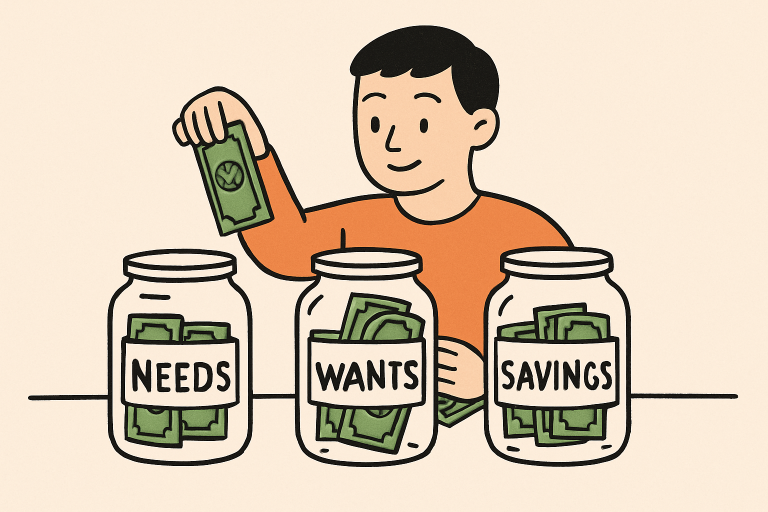
Mastering the basics of budgeting is a crucial step toward achieving financial wellness. Start by dividing your expenses into categories: needs, wants, and savings. By recording every transaction—whether you use a digital app, a notebook, or a simple spreadsheet—you gain powerful insights into your spending habits. Tracking daily purchases helps prevent overspending and identifies areas for improvement. Experts agree that setting up a practical, realistic budget is the first step toward controlling your financial future.
If you feel overwhelmed at first, remember that even incremental changes—like reviewing your budget weekly or limiting discretionary spending—can have a positive impact. Consistent tracking and adjustment help you adapt to life’s changes and reach your goals.
Building Habits for Saving
Saving money regularly can feel like a challenge, but turning it into a habit makes it second nature. Set up automatic transfers to a savings account every payday—even a small amount adds up over time. People who automate their savings are much more likely to have emergency funds and reach both short- and long-term savings goals. You might consider creative strategies like no-spend weekends, savings challenges, or rounding up purchases and saving the difference.
Building these habits requires consistency—mark monthly check-ins on your calendar to track your savings progress. Whenever you receive a windfall, such as a tax refund or work bonus, allocate part of it to your savings before spending on non-essentials.
The Role of Banking in Financial Health
Today’s banks are much more than places to keep your money safe. Through online and mobile banking, customers can monitor balances in real time, receive automatic alerts for suspicious activity, pay bills securely, and set up direct deposits. While face-to-face relationships remain important, leveraging a mix of in-branch and digital services empowers you to make data-driven decisions about your finances.
Managing your money through both traditional and digital banking options helps streamline routine transactions and ensures you never miss critical deadlines for payments or deposits. Many institutions also offer helpful educational materials to support your financial learning and build confidence for the future.
Effective Ways to Manage Debt
Effective debt management is one of the most crucial aspects of financial well-being. Begin by making a list of all debts—credit cards, student loans, auto loans, and personal loans—and organizing them by balance or interest rate. Two of the most popular repayment strategies are the avalanche method (prioritizing high-interest debt first) and the snowball method (paying off the smallest balances first for fast wins).
If you find yourself struggling, don’t hesitate to contact lenders about hardship programs or changing due dates—a proactive approach can help you avoid late payment penalties and credit damage. For practical tips on paying down debt, refer to this comprehensive guide by NerdWallet.
The Importance of Financial Education
Enhancing your financial knowledge benefits every part of your life. Studies show that individuals who invest in financial education are more likely to avoid costly errors, identify scams, and recover quickly from setbacks. Free workshops, reputable online resources, and community seminars are available to help people of any age boost their money skills. Building this foundation is an ongoing process that equips you with confidence and savvy for any situation.
Using Digital Tools for Money Management
Embracing digital tools can transform the way you handle money day-to-day. Numerous apps and online portals allow you to budget, flag unusual transactions, and even analyze spending patterns with user-friendly charts. Setting savings goals, monitoring progress, and receiving timely notifications keep you motivated and on track. Selecting tools that fit your preferences—whether a comprehensive financial planning app or your bank’s mobile features—helps turn smart money moves into habits.
Small Steps That Lead to Long-Term Financial Growth
- Automate monthly savings transfers.
- Review and update your budget every week.
- Regularly track your progress on debt payments.
- Dedicate time each month to financial learning.
- Celebrate milestones to reinforce positive habits.
Success with money isn’t about one big leap, but about steady, purposeful action. Even the smallest healthy changes add up with time, building a foundation for lasting financial wellness.
Conclusion: Financial Wellness Is an Ongoing Journey
Strong financial wellness is built on thoughtful routines, continuous learning, and leveraging supportive resources like your local bank. By making budgeting, saving, and education core parts of your life, you gain lasting control and peace of mind. Every day offers a new opportunity to practice smarter money habits—begin with one step, and watch your financial confidence grow.
