
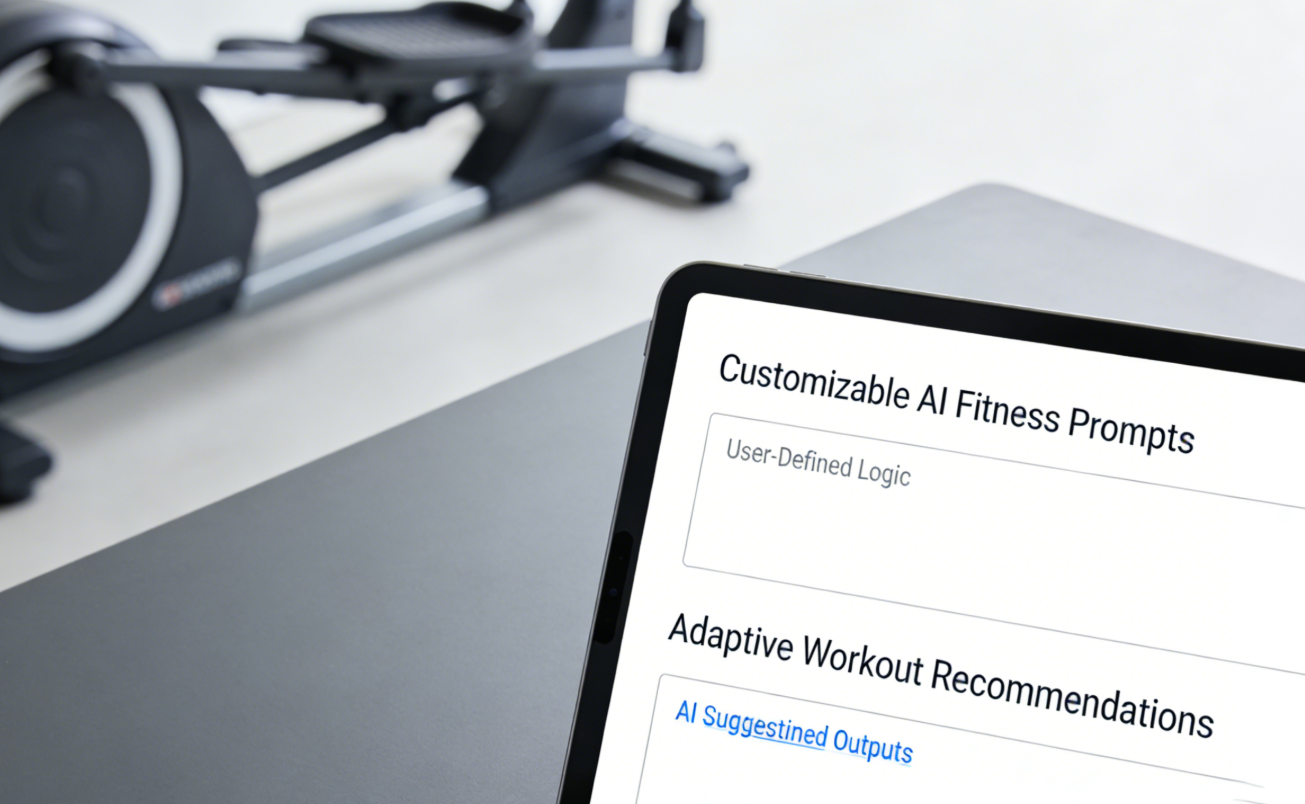
OpenClaw does not become a personal health assistant by default. Out of the box, it is simply a powerful conversational model capable of processing data. To transform it from a blank-slate AI into a proactive, highly personalized algorithmic coach, it must be deliberately architected.
Traditional fitness apps fail because they output static, generic routines that ignore your biological reality. A true health assistant, however, adapts dynamically to your lifestyle. This transformation requires a specific operational protocol—a seamless integration of digital prompts, biometric inputs, and a frictionless physical execution layer. Here is the blueprint for building your algorithmic coach.
Step 1: Reprogram OpenClaw’s Default Identity
The first stage of transformation requires overwriting the AI’s generic fitness programming. You must configure its core directive through a context-rich system prompt. Instead of asking OpenClaw for a standard workout plan, you must define its governing rules based on your specific physiological needs.
Instruct the AI to prioritize “central nervous system recovery” over “maximum caloric expenditure,” or establish a strict baseline rule that a low sleep score automatically triggers a restorative movement protocol rather than high-intensity training. By defining these parameters upfront, OpenClaw stops acting like a search engine and begins functioning as your executive wellness director.
Step 2: Connect Dynamic Recovery Signals
A true assistant does not dictate; it reacts and adapts. To make OpenClaw fully functional, you must program its decision-making logic around your daily recovery thresholds. This involves feeding it daily inputs—such as Heart Rate Variability (HRV), sleep duration, and subjective stress levels—before it generates your daily routine.
Consider how this architectural shift completely alters a standard cardio elliptical workout. Instead of blindly following a pre-set 45-minute high-intensity program, you input your daily readiness score into OpenClaw. If the algorithm detects signs of systemic fatigue, it will dynamically adjust the parameters, immediately restructuring your session into a 20-minute, Zone 2 restorative glide to protect your baseline energy. This ensures that every session perfectly matches your current capacity for work.
Step 3: Build the Physical Execution Layer
The most sophisticated algorithmic recommendations will fail if they encounter physical friction in the real world. For OpenClaw to successfully operate as your daily assistant, its digital insights must be met with a mandatory physical execution layer. The “micro-training” philosophy often deployed by AI—advocating for highly specific, immediate bursts of activity—demands an optimized, readily accessible environment. Without the proper hardware, the transformation from digital advice to physical reality collapses.
Because you will likely be interacting with voice-activated prompts or listening to real-time algorithmic adjustments, acoustic stealth and spatial efficiency are structural requirements. This is why the engineering standards found in compact solutions from FED Fitness are so critical to the AI ecosystem. By utilizing eco-friendly PE coating materials, their gear provides stable, consistent tactile feedback while drastically dampening mechanical sound. This ensures that an intense physical session can be executed within a minimal 0.2-square-meter footprint without sensory distraction, allowing the intelligence of the software to sync perfectly with intuitive, silent hardware.
Step 4: Establish the Predictive Data Loop
The final step in the transformation is creating a continuous, self-optimizing feedback loop. An off-the-shelf app resets every Monday, but an algorithmic coach evolves. After every session, you must input your perceived exertion, mechanical fluidity, and post-workout energy trajectory back into OpenClaw.
Over time, this dynamic interaction trains the AI to identify your unique physiological patterns. It learns precisely how much training volume you can handle before your sleep degrades, anticipating your fatigue and proactively adjusting your macro-cycle before you even realize you are overtraining. It moves from reacting to your data to predicting your needs.
Conclusion: The Architecture of Personalized Wellness
The algorithmic coach is not something you simply download; it is a system you build. By systematically transforming an open-source AI agent like OpenClaw into a context-aware health assistant, you bridge the gap between digital intelligence and physical execution.
When your algorithms understand the unique language of your daily habits, and your physical environment is equipped with the right silent, intuitive tools, your home transforms into a highly sophisticated wellness hub. This is the new standard of everyday health—where predictive intelligence meets frictionless design to create an unassailable path to long-term vitality.
