
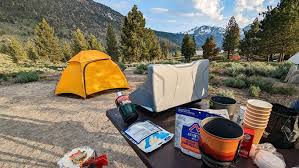
Everyone starts somewhere with camping, and that somewhere usually involves at least one minor disaster. Maybe it’s a tent that collapses at 2am, or forgetting the can opener when all your food comes in tins, or realising that “waterproof” doesn’t always mean what you think it means. The good news? Most camping mistakes are fixable, and the learning curve gets a lot less steep once you know what actually matters versus what just sounds good in theory.
The thing is, camping looks deceptively simple from the outside. You pack some gear, head to a nice spot, set up camp, and enjoy nature. Easy, right? Except there’s a whole bunch of practical knowledge that experienced campers have picked up over the years, the kind that doesn’t make it into most beginner guides but makes a huge difference between a great trip and a frustrating one.
The Gear That Actually Gets Used
Here’s what catches most first-timers off guard: they either bring way too much stuff or forget the essentials that make everything easier. The camping gear industry doesn’t help much here because there’s always something new being marketed as absolutely necessary.
The reality is that your first few trips will teach you more about what you need than any shopping list ever could. That said, there are some consistent patterns in what experienced campers say they wish they’d prioritised from the start.
Quality sleeping gear matters more than almost anything else. A bad night’s sleep ruins the next day, and if you’re cold or uncomfortable, you’re not going to enjoy any part of the experience. This doesn’t mean buying the most expensive sleeping bag on the market, but it does mean getting something actually rated for the temperatures you’ll encounter—and then adding a decent sleeping mat because the ground is hard and cold no matter how tough you think you are.
Lighting is another area where beginners consistently underestimate their needs. One torch sounds fine until you’re trying to cook dinner, find something in your tent, and navigate to the bathroom facilities all at the same time. Headlamps change everything because they keep your hands free, and having multiple light sources around camp makes evening hours so much more functional.
The Equipment Investment That Makes Sense
Most people starting out face the same question: how much should you spend before you even know if camping is your thing? It’s a fair concern, but there’s a middle ground that works better than either extreme.
Going ultra-cheap on everything usually backfires. When your tent leaks, your sleeping bag doesn’t keep you warm, and your camp stove barely functions, it’s hard to tell whether you dislike camping or just dislike terrible gear. But dropping thousands on top-tier equipment before your first trip doesn’t make sense either.
This is where talking to experienced campers or looking at established manufacturers helps. Companies like Austrack Campers build equipment designed for serious use, and while that represents a bigger initial investment, it’s the kind of gear that actually holds up when you’re figuring out what you enjoy about camping and where you want to go with it.
The sweet spot for most beginners involves identifying the few things worth investing in properly (shelter, sleep system, something reliable to cook on) and being more flexible with everything else. You can upgrade camp chairs and fancy accessories later once you know what you’ll actually use.
What Nobody Tells You About Setup and Breakdown
First-time campers almost always underestimate how long setup takes. You arrive at your campsite, excited to relax, and then spend the next hour and a half wrestling with unfamiliar equipment while the sun sets and you’re trying to read instruction manuals by phone light.
The experienced camper approach? Practice at home first. Set up your tent in the backyard or living room before you’re doing it for real at a campsite. Figure out how everything works, where all the pieces go, and what order makes sense. This sounds obvious, but most people skip this step and regret it.
The same goes for packing. There’s an art to organising camp gear so you can actually find things when you need them. Throwing everything into the back of the car works until you need the toilet paper that’s somehow ended up at the very bottom of everything. Clear plastic bins, stuff sacks, and a basic system for keeping similar items together saves enormous amounts of frustration.
Breaking camp in the morning also takes longer than expected, especially that first time. Everything’s damp from overnight condensation, things don’t pack back into their bags as neatly as they came out, and you’re trying to remember where everything came from. Building in extra time prevents that rushed, stressful departure where you know you’re forgetting something.
The Weather Reality Check
Beginners tend to check the weather forecast and plan accordingly, which seems sensible. The problem is that weather changes, and conditions at your campsite might be quite different from the forecast for the nearest town.
Experienced campers always prepare for conditions to be colder, wetter, or windier than expected. This isn’t pessimism, it’s just acknowledging that when you’re sleeping outdoors, small weather shifts matter a lot more than they do in a house with walls and heating.
Layering your clothing makes way more sense than trying to predict exactly what you’ll need. Mornings are cold, afternoons get warm, evenings cool down again, and having options beats guessing wrong. The same principle applies to your shelter and sleeping setup. Having a way to stay warm if it’s colder than forecast matters more than having the lightest possible gear.
Wind, in particular, catches people off guard. A breezy day in your backyard is manageable. That same wind at an exposed campsite makes cooking difficult, blows things around constantly, and can make a tent quite unpleasant. Choosing where you pitch your tent matters—look for natural windbreaks and avoid completely exposed ridges or clearings when possible.
The Food and Cooking Learning Curve
The romantic vision of campfire cooking meets reality pretty quickly. Yes, food cooked over a fire tastes great, but it also takes forever, burns easily, requires constant attention, and produces a lot of smoke that blows directly into your face regardless of where you stand.
Most experienced campers use a camp stove for actual meal preparation and save the fire for evening ambiance and maybe toasting marshmallows. This isn’t giving up on the camping experience, it’s acknowledging that you probably want to eat dinner at a reasonable hour without charcoal-covered food.
Meal planning matters more when camping than in normal life because you can’t just order takeout if your plan fails. Simple meals work better than complicated ones. Foods that don’t require refrigeration make everything easier, especially for longer trips. And having backup options (like instant noodles or canned soup) means that if your intended dinner plan falls apart, you’re not going hungry.
The other thing about camp cooking: it uses way more fuel, water, and time than you expect. Everything takes longer outdoors. Boiling water for coffee in the morning feels like it takes ages. Cleanup is more involved because you’re not just rinsing dishes in a sink. Building in realistic time for food preparation makes the whole experience less rushed.
The Social and Etiquette Side
Camping usually means sharing space with other people, and there are unwritten rules that experienced campers follow naturally but newcomers might not know about. Being a good camping neighbor makes the experience better for everyone.
Quiet hours matter. Sound carries at night, and what seems like reasonable conversation volume at your campsite might be keeping someone else awake two sites over. Most campgrounds have specific quiet hours, but the principle applies regardless, keep noise levels down once it gets late.
The same goes for light. Nobody wants your headlights sweeping across their tent at midnight because you’re driving through the campground. Being conscious of where your lights point and keeping them dimmed around other people’s campsites is just basic courtesy.
Camp cleanliness affects everyone too. Food waste attracts animals, leaving rubbish around is disrespectful, and nobody wants to arrive at a campsite that’s been trashed by the previous occupants. The “leave no trace” principle isn’t just environmental, it’s about maintaining these spaces for everyone who comes after you.
What Makes It Worth the Effort
Despite all the learning curve challenges, there’s a reason people keep going back to camping. There’s something genuinely different about being outdoors overnight, the way campfire smoke smells, how quiet everything gets, seeing more stars than you can ever see in town, and waking up to bird sounds instead of traffic.
The mistakes you make on early trips become funny stories later. The gear puzzles you figure out give you confidence for next time. And once you’ve got the basics sorted, camping becomes less about surviving the outdoors and more about actually enjoying them. That’s when it shifts from being a challenge to being something you look forward to, and when all those first-timer frustrations start making sense as part of the process rather than reasons to give up.
