
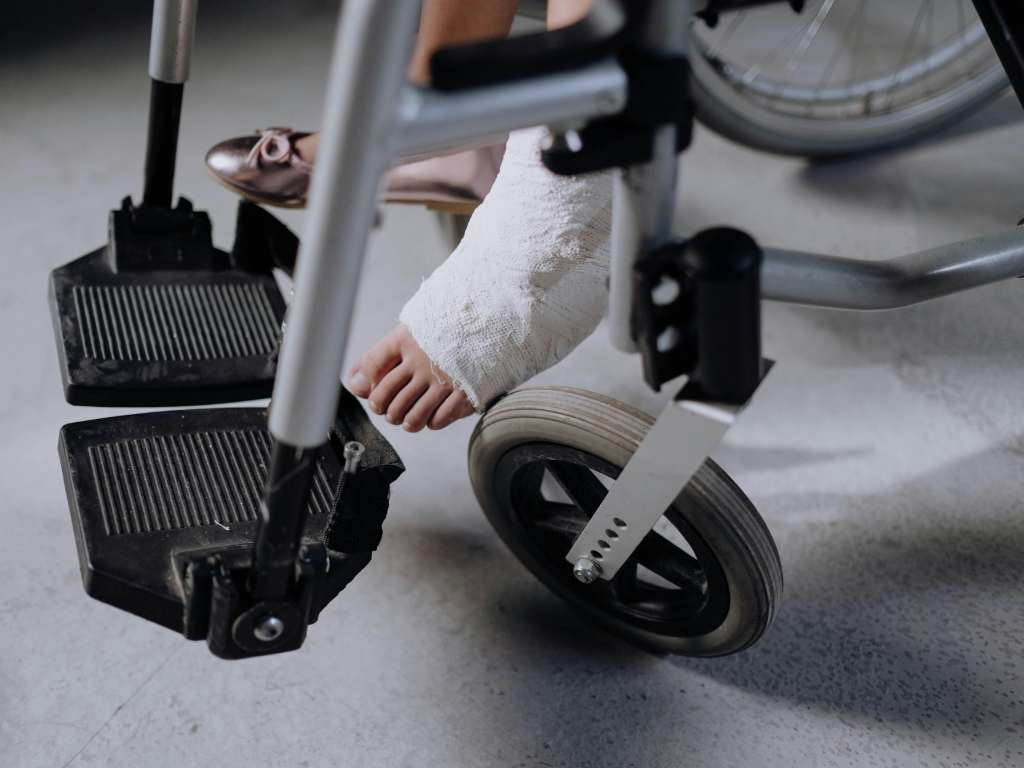
Understanding the definition of bodily injury
Bodily injury refers to any psychological or physical injuries one suffers from as a result of being subject to an assault, an accident or medical error. It can occur from an accident on the road or workplace, a medical error, a slip and fall in a public area and so on. Being legally acknowledged for the incident will allow compensation to be established from the damage suffered. The damage will need to be established, confirmed, and proven usually by way of evidence or human witness.
Testimony is an essential evidence tool.
In personal injury cases, witness statements play an essential part, as they complement the medical evidence or other technical information. They provide insight into the specifics of the incident and describe the impact on the life of the victim, and also confirm the effect of the accident on their everyday life. They can be written by relatives or colleagues, or even witnesses who are direct or indirect witness statements that provide fresh and personal perspectives on the events, and are often needed to persuade courts or insurance companies.
Different kinds of testimonies are available.
There are various types of witness testimony in personal injury lawsuits. Direct testimony focuses on witnesses of the accident, who describe the scene, the reactions of the parties involved or the conduct of the other parties. Indirect testimony concerns an individual who is a loved one or a professional who relates the impact of the accident on the victim: loss of autonomy, mood swings, loss of independence, and impairment of professional capabilities. There are also life testimonials, which are written by those closest to the victim, that show the pre- and post-injury and offer an assessment of the extent of the injury.
The legal force of testimony in the recognition of damages
In the law, testimony is an acceptable form of evidence; however, it is subject to a set of conditions. It has to be precise and accurate, not contradictory, and verified by a trustworthy person. Judges judge these elements on their consistency with others in evidence. An authentic and well-written testimony could change the course of a case, especially if it establishes an absence of autonomy, pain or inability to return to the activities. It’s a valuable instrument that lawyers can use to complement medical evidence and other objective data.
Be able to testify in a way that humanizes the victim in the case.
Cases involving personal injuries are typically complex, involving assessment scales, medical charts, as well as legal frameworks. Testimonies can add an emotional and individual dimension. They allow us to understand how an accident affected the life of the victim, as well as how they lost the ability to function and were forced to change plans, or how the family’s environment was affected. This understanding is crucial to increasing awareness among judges as well as experts, and to receiving compensation that is proportional to the individual’s situation.
Medical expertise and testimonies are the key to a successful interaction.
If a forensic specialist or jersey lawyer firm is required to evaluate the severity of a bodily injury, witness statements can assist them in understanding the implications of the injuries. They are a supplement to clinical examinations, provide clarity to the issues faced by the victim throughout their lives and enable an accurate evaluation of the injury. Some experts request directly to listen to the testimony of witnesses or talk to relatives to improve their opinions. It is crucial to be able to include them in the process or provide them during the expert evaluation.
In front of insurance companies: convincing to bargain
Before the legal process, victims are often required to discuss their compensation with an insurance firm. Witness testimony can help support their claim, show the extent of the damage and also serve as the basis for counter-proposals. They can increase confidence in the procedure and avoid underestimating. In the case of a dispute, they could also be presented as evidence supporting the case of litigation.
The psychological aspect of the witness in the process of reconstruction
To those you love, the writing of a statement can also be a means to acknowledge the loss. It could be a gesture of love as well as a part of the process of grieving or acceptance of the circumstances. For the person who is suffering, reading these accounts can assist them in assessing the level of progress and feel reassured, as well as understood and accepted in their struggle. The human connection can make testimony an instrument for therapy, as well as it is a legal one.
The lawyer’s role in collecting and promoting testimony
The personal injury lawyer aids his client in identifying pertinent witnesses, contacting them and writing Affidavits. He checks for legal compliance and makes sure that the evidence is relevant to the case, and incorporates it in closing arguments or in hearings. He is also able to prepare witnesses for a hearing by a judge in the case of an argument. The information he has on expectations of the court will allow him to maximize the effect of these documents.
Limitations and possible disputes
A witness’s testimony is subjective. It can be challenged by the other party, or shown to be unreliable, or perhaps biased or influenced. The witness as a person has to be impartial, trustworthy and their statements are required to be corroborated or checked against other evidence. General or overly emotional testimony may be ignored. Careful and painstaking writing is essential to avoid revealing weaknesses when exhibiting the potential evidence.
Testimonies in the case of a serious disability or death
In the most grave instances, where the victim has passed away or is unable to express their thoughts, the stories of family members become the sole way of reconstructing the incident, its circumstances, as well as the ramifications and the impact on people of the incident. They help the story become real, to make it personal, the hurt, and gain financial and symbolic acknowledgment from the loved ones. These testimonials are especially considered in the event of medical liability or group accidents.
Restorative justice and testimony
Beyond compensation for the sake of testimony, it can be used to help in the process of restorative justice. It allows victims to have the opportunity to have a voice, will enable them to be integrated in the process, and empowers them to take action in their name. It promotes the sharing of personal experiences, recognition by the law and society of pain. It may even help inform prevention strategies, such as feedback or a collective reflection on security.
