
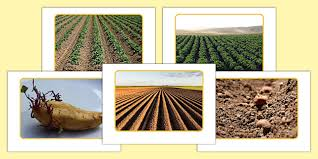
One of the most interesting agricultural histories is that of the potato, which is often seen as unimportant and commonplace. The history of the potato, from its origins in the South American highlands to its current status as a mainstay on dinner tables worldwide, is one of tenacity, creativity, and culinary variety. French fries, mashed potatoes, and of course, the always cozy baked potato in the oven are just a few of the many cuisines that include it nowadays.
But how did this starchy tuber become a staple food throughout the world after being a wild crop? Let’s examine how it gets to your fork from the field.
Early History In The Andes
In the Andes Mountains, indigenous people from modern-day Peru and northwest Bolivia cultivated wild potato types around 7,000 years ago, marking the beginning of the potato’s history. These early farmers found that certain tubers were perfect for high-altitude gardening because they could withstand rocky soil and freezing weather.
They also grew more than one kind of potato. Thousands of kinds in all sizes, colors, and tastes were grown by ancient Andean cultures. A remarkable invention in food preservation, these people even developed techniques for freeze-drying potatoes, or chuño, so they could be kept for years.
The Potato Travels Across The Sea
Until the late 16th century, the potato was almost unknown outside of South America. Potatoes were introduced to Europe by Spanish adventurers after their conquest of the Inca Empire. The crop was first viewed with suspicion. Because of its connection to nightshade plants, many people thought it was unsafe for human consumption.
However, its resilience and nutritional worth gained popularity throughout time. The temperate temperatures of Germany, France, and Ireland were ideal for potatoes. Since potatoes produced more calories per acre than most other crops, they were an essential food supply for Europe’s expanding population by the 18th century, particularly for the impoverished.
The Birth Of A Global Staple
The potato had solidified its position in world agriculture by the 19th century. As it adapted to many temperatures and agricultural practices, it moved to Asia, Africa, and North America. It became so essential to the Irish diet that it led to widespread hunger and emigration during the Great Famine of the 1840s, which was brought on by a potato blight.
Innovations in cultivation and cooking led to the rise in popularity of the potato in the United States. Potatoes are farmed in almost every state in the United States, which is now one of the top producers in the world.
Contemporary agricultural methods have considerably improved potato cultivation. Like every other important crop, the humble potato has profited from technical advancements in everything from disease-resistant hybrids to irrigation systems and soil testing.
The Grocery Store From The Ground Up
There are several processes involved in getting from field to fork. To stop sprouting, potatoes are washed, sorted, and kept in temperature-controlled conditions after harvest. After that, they are sent to marketplaces, supermarkets, and food producers.
This translates to year-round availability and convenience for customers. However, it also emphasizes how crucial it is to handle potatoes correctly—to preserve their freshness, keep them in cool, dark areas of the house. Additionally, although the skin is rich in nutrients and fiber, it is still important to thoroughly wash it before cooking.
Cultural Differences In Culinary Practices
The potato is one of the most versatile foods. It is adored on many continents and plays a variety of functions in regional cuisines. It may be found in samosas and hot curries in India. It is used in dumplings and vodka in Russia. It excels in baked potatoes in the oven, fries, and chips, which are all quite popular in America.
The simplicity of baked potatoes is what makes them so classic. A number of toppings, including cheese, sour cream, chives, and chile, may be added to them since they are crispy on the outside and fluffy on the inside when cooked properly. In contrast to boiling or frying, baking potatoes in the oven retains the majority of their nutrients while also bringing out their inherent sweetness.
Conclusion
The potato has come a long way from the Andean fields of antiquity to the dinner tables of today. In addition to agriculture, it has evolved culturally and gastronomically. Even though this popular vegetable may be prepared in a myriad of ways, the fact that something as basic as baked potatoes in the oven always demonstrates that the greatest things in life are sometimes the most straightforward.
Potatoes have earned a place in kitchens all around the globe, and their narrative is far from ended, regardless of whether you like them loaded, simple, or somewhere in between.
