
This isn’t your grandma’s diet pill.
You know that moment in the kitchen where you’ve just finished dinner and somehow—somehow—you’re standing with the fridge open again? That’s not lack of willpower. That’s biology. And GLP-1 receptor agonists? They’re flipping the script on it.
These aren’t “suppress your appetite and hope for the best” weight loss meds. They’re more like hacking your body’s internal code—the part that says eat that, finish that, still hungry.
And spoiler alert: it’s working.
Wait, What Is a GLP-1, Anyway?
GLP-1 stands for glucagon-like peptide-1, a hormone with a deceptively boring name that does something incredibly cool: it tells your brain, hey, we’re good down here—no more snacks necessary.
Drugs like semaglutide (you’ve heard of Wegovy and Ozempic) mimic this hormone. They bind to GLP-1 receptors, and suddenly, food isn’t as appealing. You feel full sooner. You stop picking at leftovers. You even—brace yourself—walk past the breakroom donuts.
Science fiction? No. Just science.
The Numbers Don’t Lie
Let’s get clinical for a sec. In a major trial published in The New England Journal of Medicine, participants taking semaglutide lost nearly 15% of their body weight over 68 weeks. Placebo folks? Barely 2%.
That’s not just impressive—it’s intervention-worthy.
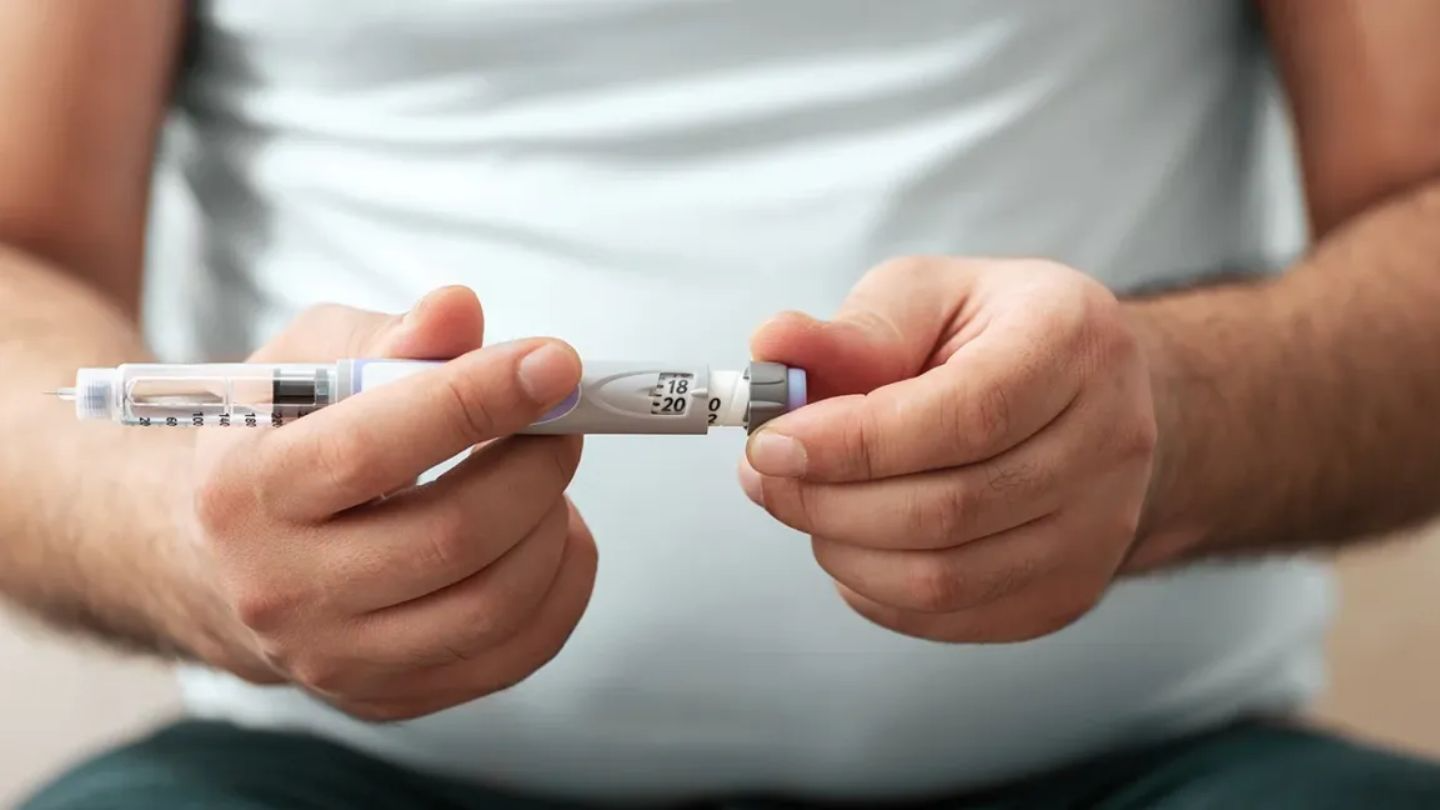
For comparison, many bariatric surgeries hover around 15–25% weight loss. And GLP 1 weight loss drugs? No scalpels, no recovery time. Just a once-weekly injection and some seriously reprogrammed hunger cues.
How It Works (And Why Your Stomach’s on Board)
Here’s the cheat sheet:
- Appetite: Down.
GLP-1s tell your brain you’re full, earlier. - Stomach: Slower.
Food sticks around longer. You feel full longer. Win-win. - Blood sugar: Stable. Insulin gets a boost. Sugar spikes get smoothed out. No post-lunch crashes.
Bonus effect? It even messes with food reward centers in your brain. Translation: those Cheetos you used to inhale? Kinda meh now.
GLP-1s Aren’t Magic. But They’re Close.
You’ll still need to show up—meaning move your body, eat better, sleep like a decent human. But GLP-1 meds give you the breathing room to do those things without fighting biology every step.
They reduce mental chatter around food. Cut cravings. Make portion control… well, less of a punchline.
That’s not nothing. That’s everything.
Let’s Talk Side Effects (Because They’re Real)
Nausea tops the list. Why? Because GLP-1s slow your stomach emptying. Eat a giant burger, and you’ll feel it… for a while.
Most users say the nausea passes. And the dosing schedule ramps up slowly to help with that. Still, it’s not always smooth sailing. Some folks feel queasy, some constipated. Rare cases get more serious, like pancreatitis—but that’s the exception, not the rule.
Best strategy? Ease into it. Small meals, bland foods, and don’t chase the injection with a milkshake. You’ll learn quickly what your body now tolerates—and what it really, really doesn’t.
Is Everyone Jumping on This Train?
Honestly? A lot of people are. And for good reason. GLP-1 receptor agonists are currently prescribed for folks with a BMI of 30+ (or 27+ with other health risks).
That’s a large population-and growing. But access can be tricky. Understanding how to get glp-1 medication can be a complex process, as insurance may or may not play nice unless you also have type 2 diabetes.
Streamlined. Transparent. No awkward pharmacy lines. That matters.
So, Should You Try It?
Not a simple yes or no. But if you’ve spent years yo-yo dieting, blaming yourself, or feeling trapped by cravings—then yeah, maybe it’s time to stop blaming the mirror and start looking at your hormones.
GLP 1 weight loss isn’t a fad. It’s a clinically proven approach that works with your biology, not against it.
Talk to a provider. Get honest about your goals. And if it’s right for you? There’s no shame in using every tool in the toolkit.
Especially one that finally quiets the fridge at 9:47 p.m.
