
Table of Contents
- Buckle Up Every Time
- Stay Focused and Hands-Free
- Maintain Safe Distances
- Adhere to Speed Limits
- Be Mindful of Vulnerable Road Users
- Prepare for Seasonal Hazards
- Report Roadway Issues
- Participate in Driver Education Programs
Ensuring road safety is vital for everyone in Massachusetts. Each driver, whether commuting daily or traveling occasionally, plays a crucial part in preventing accidents and keeping the roads safer. By recognizing your role and consistently applying the basics of safe driving, you can protect yourself and others. For those who need legal support after a collision, a Peabody car accident lawyer can offer guidance and representation throughout your recovery process.
Simple changes, such as focusing on the road or obeying speed limits, can have a significant positive impact. The journey toward safer roads is built on shared responsibilities and straightforward habits. If every motorist does their part, fatal crashes and serious injuries can be greatly reduced.
Proactive drivers consider the well-being of other road users while also making wise choices for themselves. Whether you are a seasoned driver or just starting out, adopting safer practices ensures that Massachusetts roads become less hazardous for all. Responsible driving extends benefits beyond the individual behind the wheel, strengthening the safety net for families, friends, and entire communities.
As you strive to become a more mindful motorist, these eight simple steps serve as a strong foundation for daily travel. With everyone involved, safer Massachusetts roads are well within reach.
Buckle Up Every Time
The simple act of wearing a seatbelt can be lifesaving. In Massachusetts, seatbelt use has reached a record high, with 85.5% of drivers and passengers regularly buckling up. This achievement is not only a testament to increasingly good habits but also an endorsement of safety campaigns statewide. Always take a moment to secure your seatbelt, regardless of the trip’s length. Studies show that seatbelts significantly reduce the risk of fatal injury during crashes, making this an effortless and essential habit for drivers and passengers alike.
Stay Focused and Hands-Free
Distraction-free driving is crucial in preventing serious crashes. Massachusetts enforces a strict hands-free law, meaning all handheld phone use behind the wheel is prohibited. This approach ensures that attention remains on the road and reduces risks posed by devices. To comply, connect your phone to a Bluetooth system or use other hands-free technology for calls or navigation. Besides avoiding penalties, staying hands-free sets an example for younger passengers and contributes to statewide safety efforts.
Maintain Safe Distances
Adequate space between your car and the vehicle ahead allows for sudden stops and unexpected changes in traffic flow. Following at a safe distance is even more vital in wet or icy conditions, where stopping times increase. The three-second rule is a proven guideline for everyday driving. In poor weather or heavy traffic, increase this gap for additional safety. Consistently maintaining the right distance can prevent chain-reaction collisions and keep traffic moving smoothly. The National Highway Traffic Safety.
Adhere to Speed Limits
Speed limits are carefully determined for each stretch of road to maximize safety based on traffic, intersections, and local environments. Ignoring posted speeds increases the chance of losing control and heightens the severity of collisions. Stay vigilant for changes in speed zones, especially in school and construction zones, as penalties for exceeding the limit in these areas are often steep. Sticking to legal speeds not only keeps you within the law but also improves your reaction time and stops accidents before they happen. Local speed data is routinely published by outlets like The Boston Globe to help drivers understand changing trends.
Be Mindful of Vulnerable Road Users
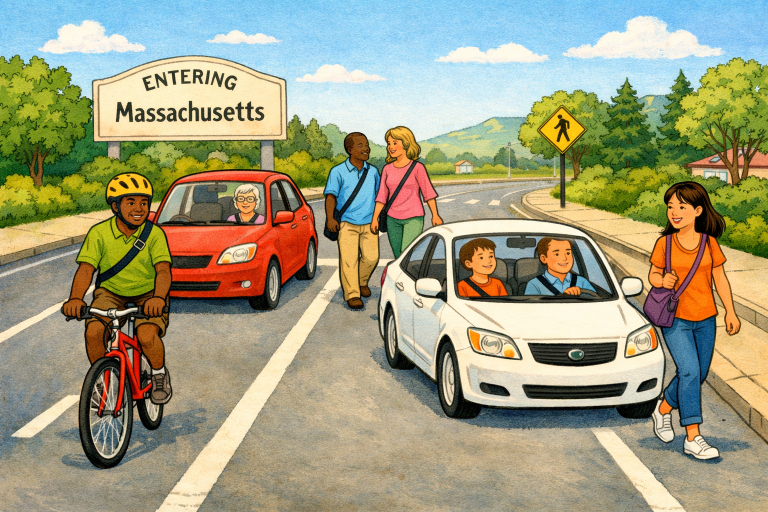
Massachusetts law requires a four-foot buffer when passing pedestrians, cyclists, and workers near roadways. These individuals are far more exposed in an accident, making extra caution key for their safety. When possible, switch lanes to provide additional clearance. Always scan crosswalks and bike lanes, especially at night or during poor weather, when visibility is reduced. Practicing empathy on the road extends beyond legal requirements and creates a safer, more respectful environment for everyone.
Prepare for Seasonal Hazards
Massachusetts roads change dramatically with the seasons. Winter brings ice and snow, while spring and summer may present potholes and construction zones. Driving cautiously in these conditions is crucial for vehicle preservation and accident prevention. For instance, slowing down in pothole season can prevent tire and axle damage. Monitor tire pressure, avoid sudden braking, and steer clear of puddles that may conceal hazards.
Report Roadway Issues
When drivers take the initiative to report potholes, malfunctioning lights, or other hazards, they help communities address dangers before they escalate. Most local governments offer hotlines or online portals for making quick, anonymous reports. Fast action can prevent accidents and keep roads safe for everyone. Drivers who are proactive not only protect themselves but make travel safer for all, especially in high-traffic or high-risk areas.
Participate in Driver Education Programs
Ongoing driver education is valuable even after obtaining a license. Courses like those offered by AARP provide in-depth instruction on defensive driving, changes in state law, and skills for all ages. Refreshing your knowledge and skills reduces risk and keeps you updated on best practices. Many insurance providers also offer discounts for course completion, making this step practical as well as protective. See more about these programs at AARP Driver Safety.
Incorporating these eight habits into your daily routine will not only keep you safer but also help to foster a culture of vigilance and care on Massachusetts roads. Every time you get behind the wheel, the choices you make matter, ensuring a safer community for everyone on the road.
